
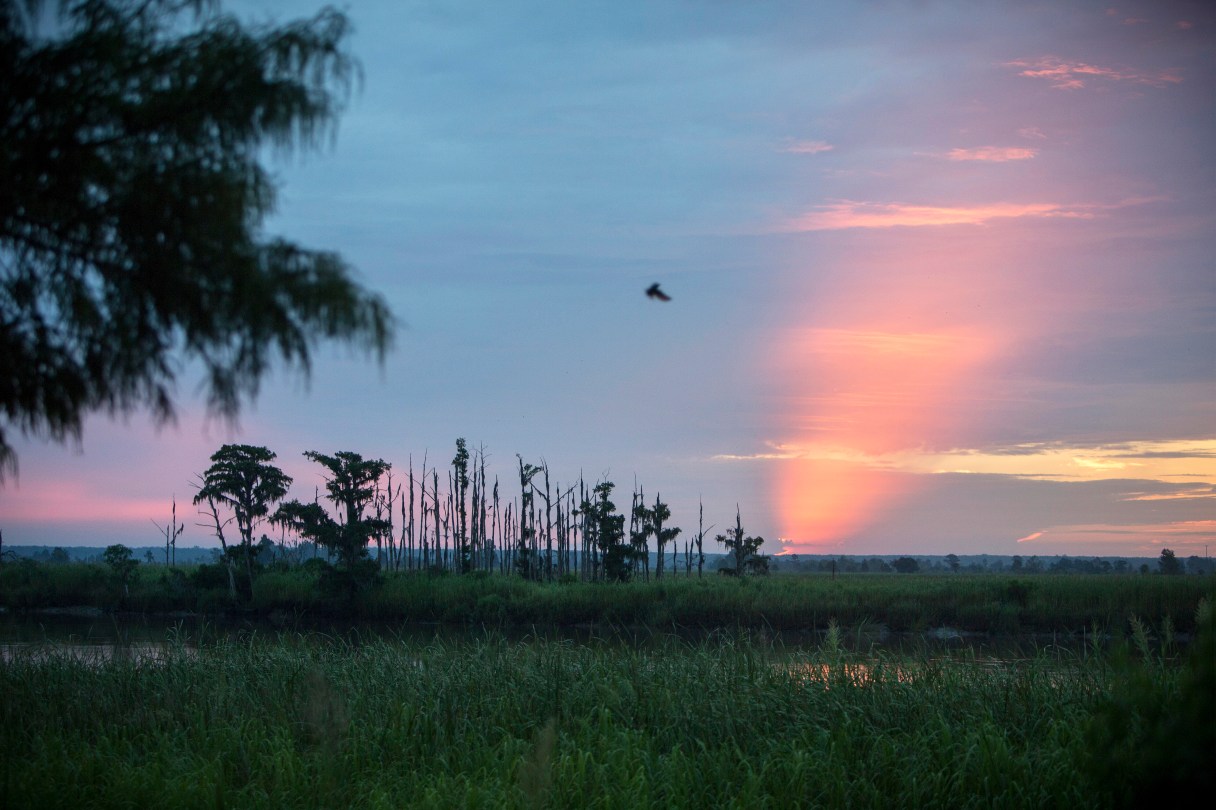
Conservation groups have purchased a 16,000 acre stretch of undeveloped Georgia coastline and plan to make it into a new wildlife management area.
The Atlanta Journal-constitution reports that the land, known as the Ceylon property, was purchased for an undisclosed amount by the Conservation Fund and Open Space Institute. Friday’s report says the land sits along the Satilla River in Southeast Georgia near Woodbine.
Both groups will work with the Georgia Department of Natural Resources to restore the animal and environmental habitats in an area that had been advertised as prime real estate for development. The area was zoned as a planned development district.
“With the property’s proximity to Interstate 95 and the growing population centers along the Georgia and Florida coasts, it was highly threatened by resort, residential and commercial development,” Andrew Schock, Georgia state director at The Conservation Fund, said in a statement. “Natural lands of this size are rare, and the ecological importance of this property has made it a top priority for conservation over the last decade.”
The 16,083-acre property is a mix of salt marsh and coastal forest. It is home to the once endangered longleaf pine as well as the gopher tortoise, the official state reptile.