
Tuesday, November 10, 2026Nov 10

Political math led to 2017 Tennessee road project list completion doubling to 20 years

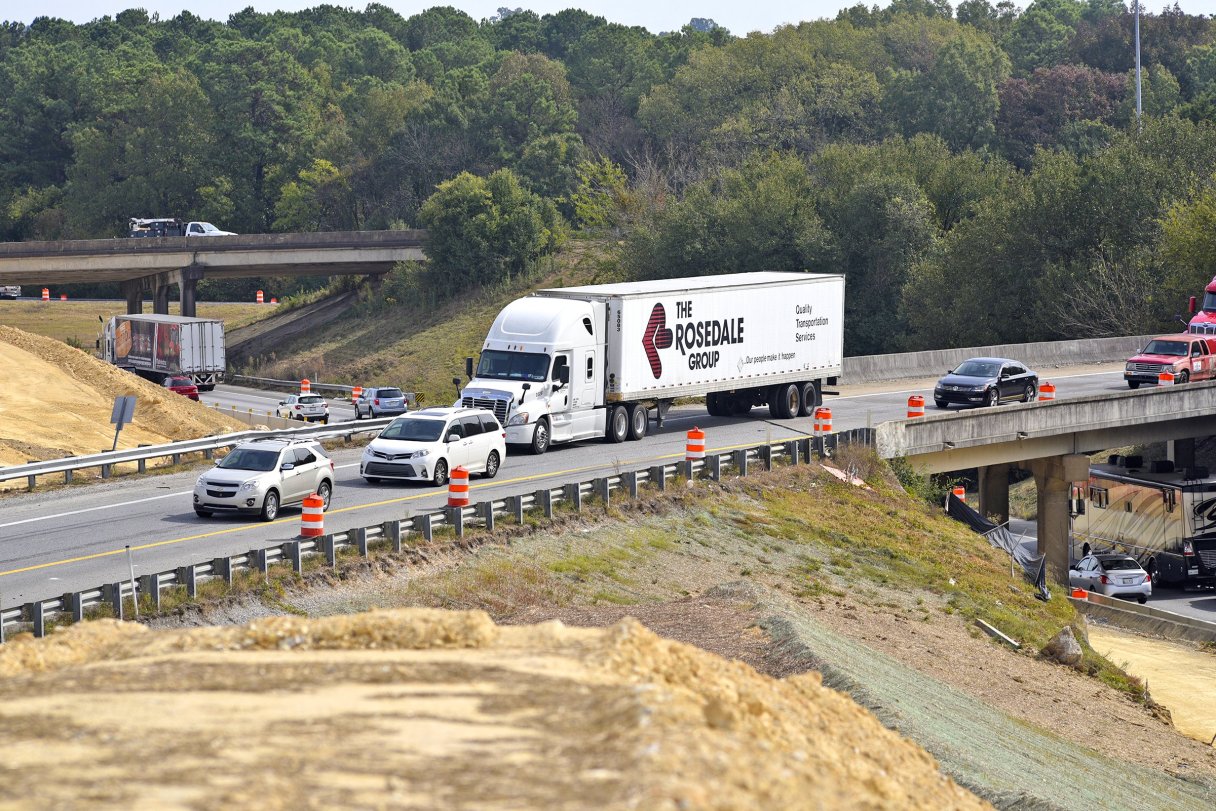
Staff Photo by Robin Rudd/ Interstate traffic passes over and under at the interchange of I-75 and I-24. Transportation officials say the 10-year, $10.5 billion transportation program approved by Tennessee lawmakers in 2017 could take an additional 10 years. The good news? They say since work has already begun on "The Split" at I-75 and I-24, that project should proceed according to plan.
Staff Photo by Robin Rudd/ Interstate traffic passes over and under at the interchange of I-75 and I-24. Transportation officials say the 10-year, $10.5 billion transportation program approved by Tennessee lawmakers in 2017 could take an additional 10 years. The good news? They say since work has already begun on "The Split" at I-75 and I-24, that project should proceed according to plan. Staff Photo by Robin Rudd/ Interstate traffic passes over and under at the interchange of I-75 and I-24. Transportation officials say the 10-year, $10.5 billion transportation program approved by Tennessee lawmakers in 2017 could take an additional 10 years. The good news? They say since work has already begun on "The Split" at I-75 and I-24, that project should proceed according to plan.

NASHVILLE – A 10-year, $10.5 billion transportation program approved by Tennessee lawmakers in 2017 is now expected to travel a far longer road toward completion, top state transportation officials say.

Call it the 20-year plan. Because that’s how long former Gov. Bill Haslam’s 962-project Improve Act is now expected to take to finish, according to Gov. Bill Lee’s administration.

The problem, Tennessee Department of Transportation Commissioner Clay Bright and TDOT Deputy and Chief Engineer Paul Degges said, stems from several issues.

Among them are the gas and diesel tax-increase concessions made by Haslam to win over his fellow Republicans in the GOP-run General Assembly, as well as lawmakers’ balking at tying fuel tax increases to the Consumer Price Index’s annual rate of inflation.

Meanwhile, inflation for road construction, Washington’s last-minute approvals of federal highway spending bills that led to delays in bid lettings, and projected additional costs because of transportation projects getting pushed into the future add to the litany of woes.