
Thursday, October 29, 2026Oct 29

This story is free to read.

Big study casts doubt on need for many heart procedures

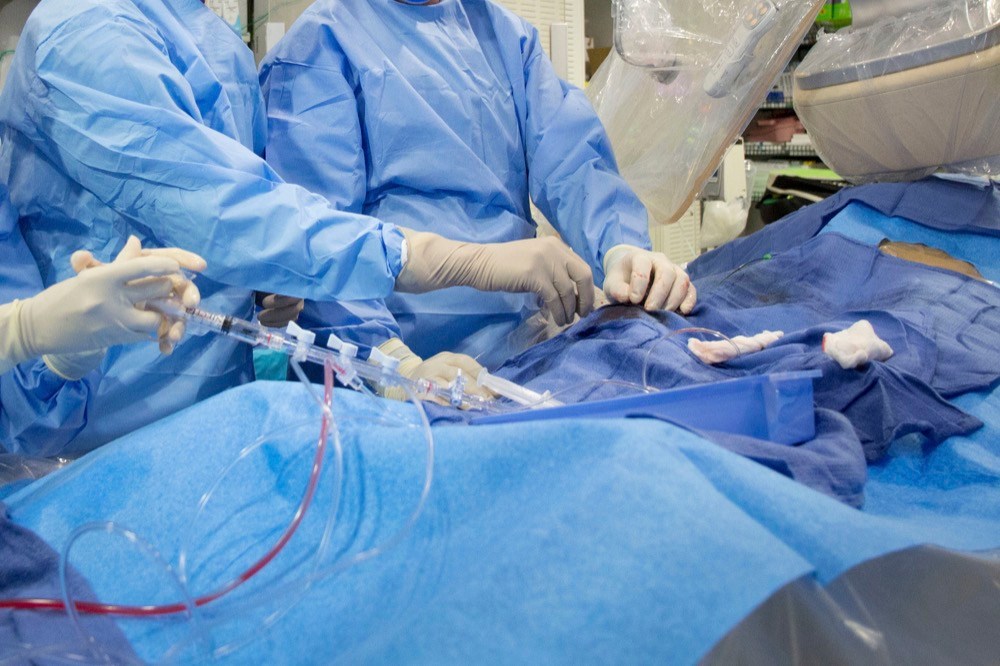
In this Feb. 16, 2017 file photo, surgeons perform a non-emergency angioplasty at Mount Sinai Hospital in New York. Through a blood vessel in the groin, a tube is guided to a blockage in the heart. A tiny balloon is then inflated to flatten the clog, and a mesh tube called a stent is inserted to prop the artery open. (AP Photo/Mark Lennihan)
In this Feb. 16, 2017 file photo, surgeons perform a non-emergency angioplasty at Mount Sinai Hospital in New York. Through a blood vessel in the groin, a tube is guided to a blockage in the heart. A tiny balloon is then inflated to flatten the clog, and a mesh tube called a stent is inserted to prop the artery open. (AP Photo/Mark Lennihan) In this Feb. 16, 2017 file photo, surgeons perform a non-emergency angioplasty at Mount Sinai Hospital in New York. Through a blood vessel in the groin, a tube is guided to a blockage in the heart. A tiny balloon is then inflated to flatten the clog, and a mesh tube called a stent is inserted to prop the artery open. (AP Photo/Mark Lennihan)

PHILADELPHIA (AP) – People with severe but stable heart disease from clogged arteries may have less chest pain if they get a procedure to improve blood flow rather than just giving medicines a chance to help, but it won’t cut their risk of having a heart attack or dying over the following few years, a big federally funded study found.

The results challenge medical dogma and call into question some of the most common practices in heart care. They are the strongest evidence yet that tens of thousands of costly stent procedures and bypass operations each year are unnecessary or premature for people with stable disease.

That’s a different situation than a heart attack, when a procedure is needed right away to restore blood flow.

For non-emergency cases, the study shows “there’s no need to rush” into invasive tests and procedures, said New York University’s Dr. Judith Hochman.

There might even be harm: To doctors’ surprise, study participants who had a procedure were more likely to suffer a heart problem or die over the next year than those treated with medicines alone.