
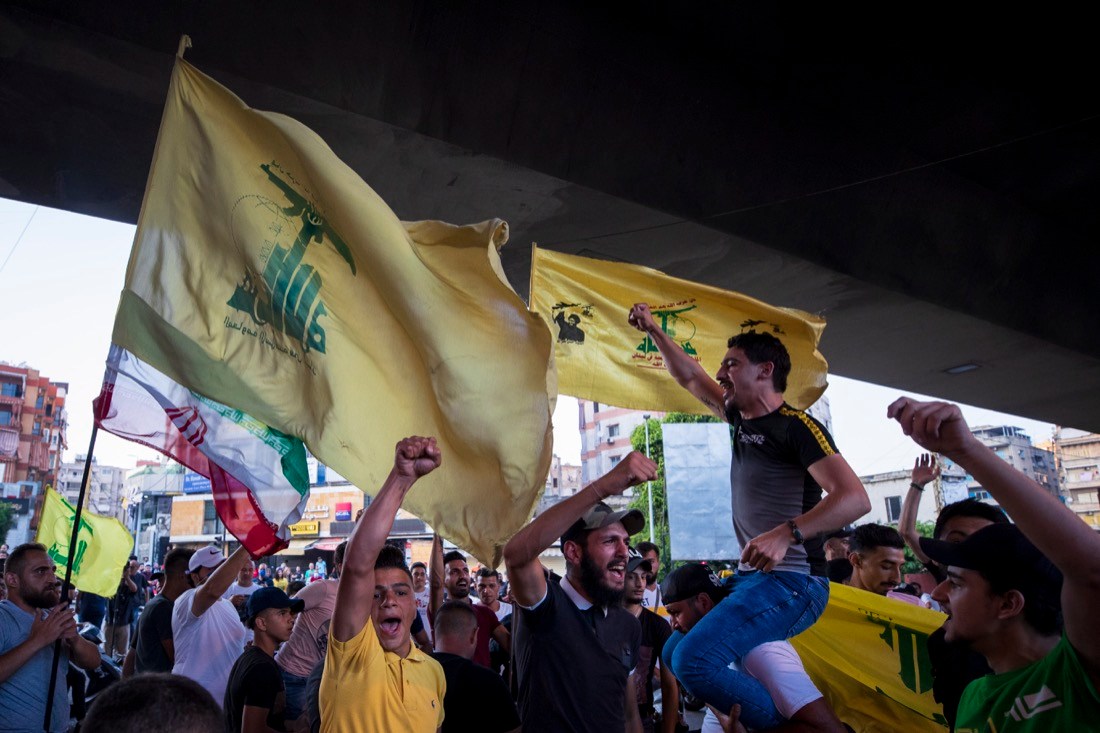
BEIRUT (AP) – Sara Jaafar joined a group of political activists gathered on Aug. 4 to discuss strategies to challenge Lebanon’s entrenched rulers when their building was shaken and the windows blasted out by the giant explosion that rocked Beirut.
She took cover from the flying debris, thoughts rushing through her head of past political assassinations in Lebanon. Her immediate reaction was that Hezbollah, the militant group that dominates power here, was targeting the dissidents’ meeting.
The blast was in fact at the port of Beirut, caused by a stockpile of ammonium nitrate stored there for years. So far, it appears to be a result of longtime government mismanagement. No direct connection to Hezbollah has emerged in the explosion that wreaked destruction across the city and killed at least 190 people. Theories abound about what triggered the explosion, including even a possible Israeli strike against Hezbollah.
Jaafar’s initial reaction reflected the fear Hezbollah has instilled among many Lebanese and the power it has succeeded in projecting over the past decade.
For many, the Iran-backed Hezbollah now stands at the top of Lebanon’s sectarian-based system of power – and so is complicit in the corruption many blame for the port disaster and for driving the country into near bankruptcy.