
COLUMBIA, S.C. (AP) – After years of legal disputes, officials with the U.S. Department of Energy and South Carolina have inked a $600 million settlement over the storage of plutonium at a former nuclear weapons plant in the state, the largest legal settlement in South Carolina history.
During a news conference Monday in Columbia, state Attorney General Alan Wilson said the deal ends six years of litigation over the removal of 9.5 metric tons of plutonium that had been stored at the Savannah River Site south of Aiken.
Wilson said he expected the $600 million payment within the next 30 days. In exchange, Wilson said South Carolina will give the federal government 15 years to remove the remaining plutonium from the site, with a timeline beginning in January 2022.
“The Department of Energy is buying 15 years of peace with South Carolina as it relates to this specific issue,” Wilson said.
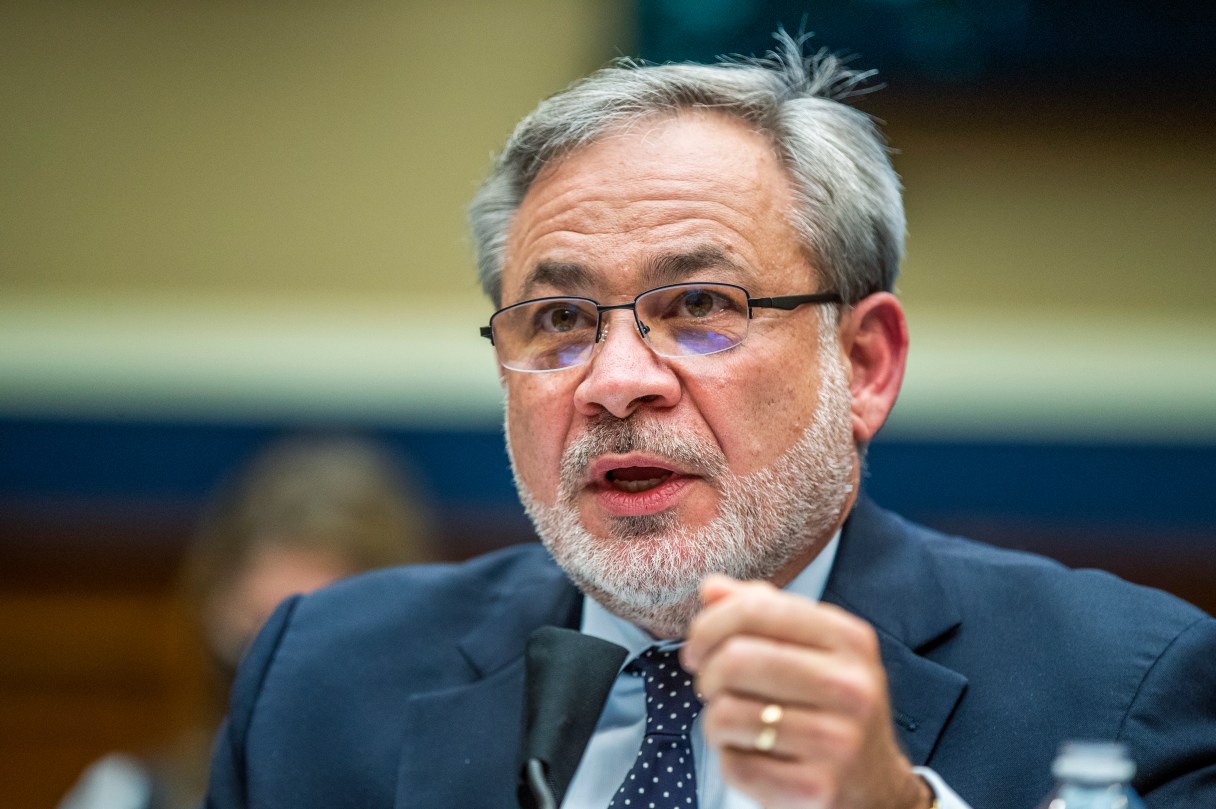
If none of the plutonium has been removed by Jan. 1, 2037, Wilson said federal officials will owe the state a total of $1.5 billion for failing to comply with the agreement. If the federal government removes only a portion of the plutonium, then it would be responsible for a corresponding fraction amount of the $1.5 billion total, although Energy Secretary Dan Brouillette said he felt confident the federal government would remove the materials well ahead of the 2037 deadline.