
Thursday, October 29, 2026Oct 29

This story is free to read.

Medal of Honor recipient Alvin York was an East Tennessee man opposed to the war

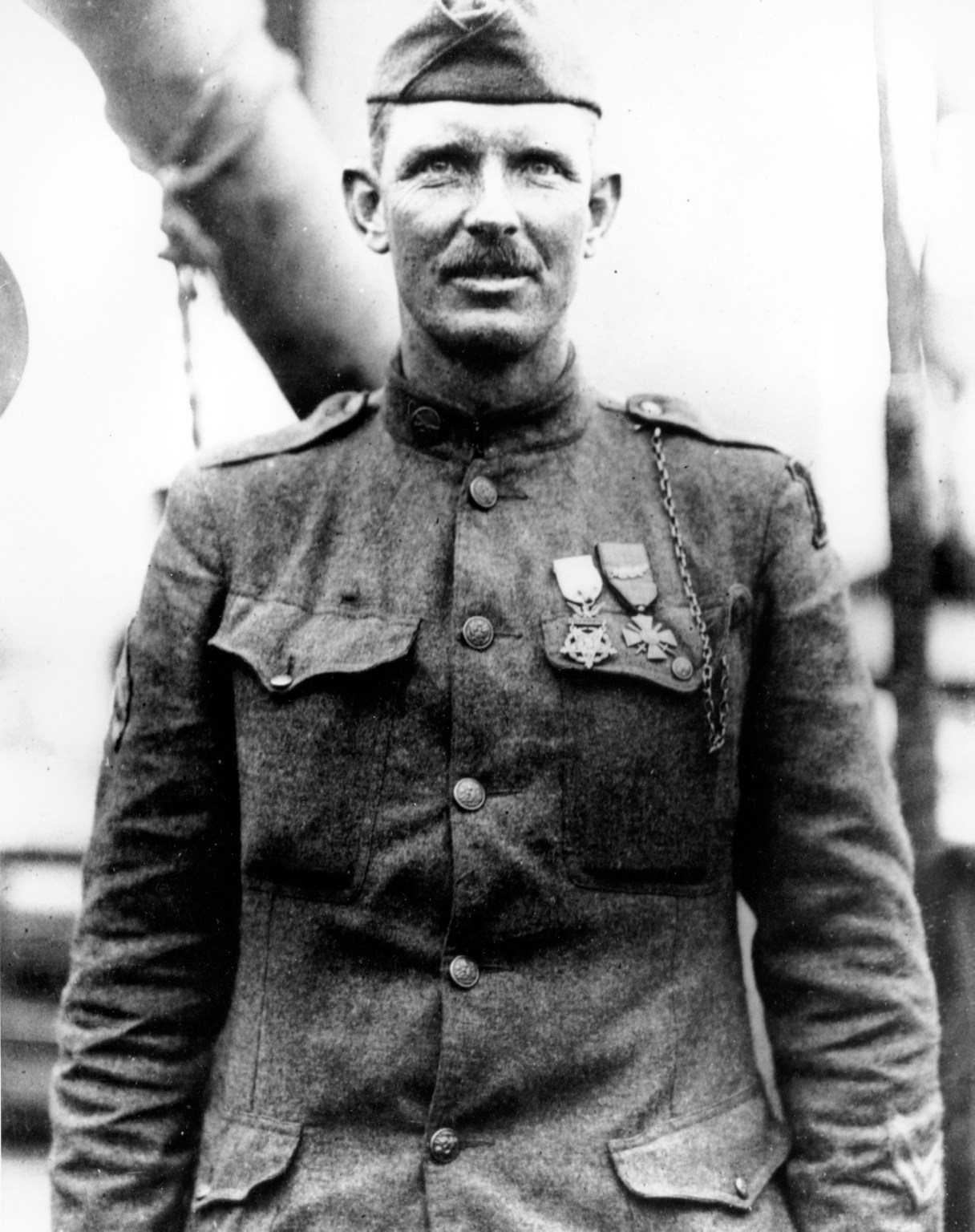
This is a 1919 photo of Sgt. Alvin York of the U.S. Army in an unknown location. York received the Medal of Honor for killing 25 Germans, capturing 132 prisoners and putting 35 machine gun nests out of commission. York entered the Army as a Conscientious Objector. Nineteen rusted Colt 45 cartridges buried in northeastern France may mark the spot where Sgt. Alvin York became America's most celebrated soldier of World War I, a research team said Thursday. (AP Photo/Department of U.S. Army)
This is a 1919 photo of Sgt. Alvin York of the U.S. Army in an unknown location. York received the Medal of Honor for killing 25 Germans, capturing 132 prisoners and putting 35 machine gun nests out of commission. York entered the Army as a Conscientious Objector. Nineteen rusted Colt 45 cartridges buried in northeastern France may mark the spot where Sgt. Alvin York became America's most celebrated soldier of World War I, a research team said Thursday. (AP Photo/Department of U.S. Army) This is a 1919 photo of Sgt. Alvin York of the U.S. Army in an unknown location. York received the Medal of Honor for killing 25 Germans, capturing 132 prisoners and putting 35 machine gun nests out of commission. York entered the Army as a Conscientious Objector. Nineteen rusted Colt 45 cartridges buried in northeastern France may mark the spot where Sgt. Alvin York became America's most celebrated soldier of World War I, a research team said Thursday. (AP Photo/Department of U.S. Army)

One of the greatest heroes of World War I was an unlikely character: An East Tennessee man opposed to the war.

Alvin York, a native of Fentress County, Tennessee, he was an impeccable shot. He received his first rifle at just 7 years old and began providing for his family by winning shooting competitions in his youth, according to the Museum of East Tennessee History.

His boyish interests became more rough and tumble in his adolescence, establishing a reputation as a heavy drinker and brawler.

York’s behavior reportedly changed in 1914 when a close friend was killed in a bar fight. Subsequently, York joined the Church of Christ in Christian Union.

With his newfound faith, York postured himself against violence. Then his draft letter came.