








Wednesday, November 11, 2026Nov 11

Australia firefighters save world’s only rare dinosaur trees

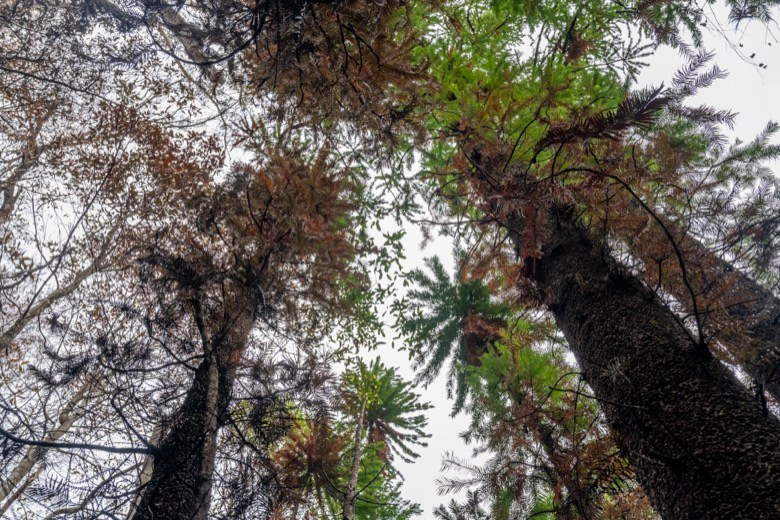
In this photo taken early January 2020, and provided Thursday, Jan. 16, 2020, by the NSW National Parks and Wildlife Service, Wollemi pines tower above the forest floor in the Wollemi National Park, New South Wales, Australia. Specialist firefighters have saved the world's last remaining wild stand of a prehistoric tree from wildfires that razed forests west of Sydney. (NSW National Parks and Wildfire Service via AP)
In this photo taken early January 2020, and provided Thursday, Jan. 16, 2020, by the NSW National Parks and Wildlife Service, Wollemi pines tower above the forest floor in the Wollemi National Park, New South Wales, Australia. Specialist firefighters have saved the world's last remaining wild stand of a prehistoric tree from wildfires that razed forests west of Sydney. (NSW National Parks and Wildfire Service via AP) In this photo taken early January 2020, and provided Thursday, Jan. 16, 2020, by the NSW National Parks and Wildlife Service, Wollemi pines tower above the forest floor in the Wollemi National Park, New South Wales, Australia. Specialist firefighters have saved the world's last remaining wild stand of a prehistoric tree from wildfires that razed forests west of Sydney. (NSW National Parks and Wildfire Service via AP)

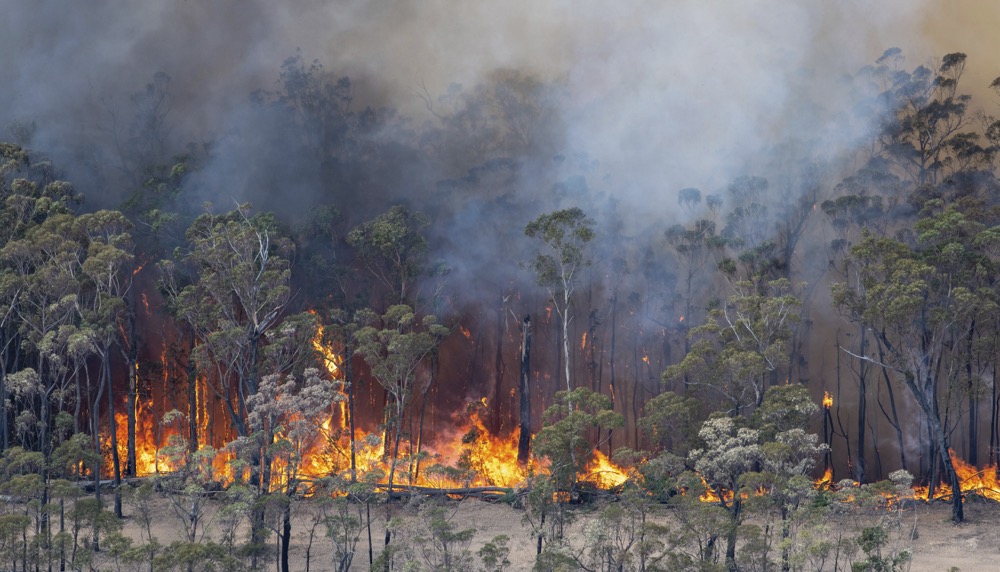
CANBERRA, Australia (AP) – Specialist firefighters have saved the world’s last remaining wild stand of a prehistoric tree from wildfires that razed forests west of Sydney, officials said Thursday.

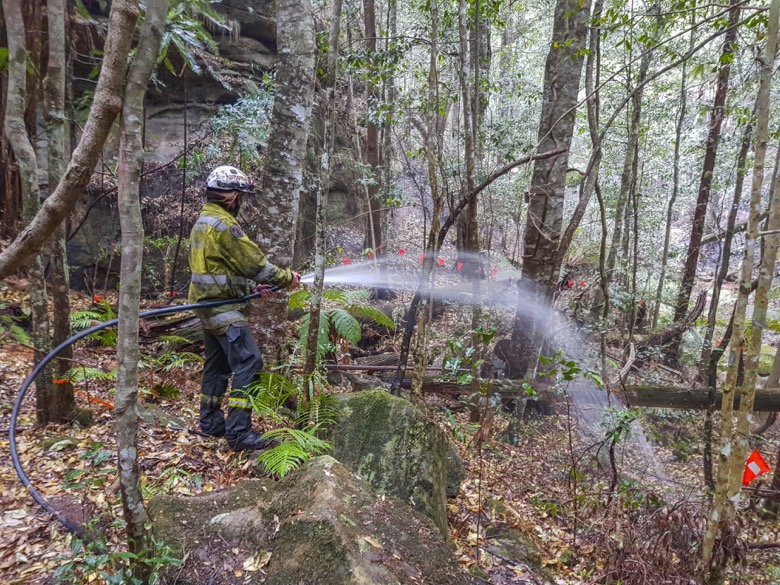
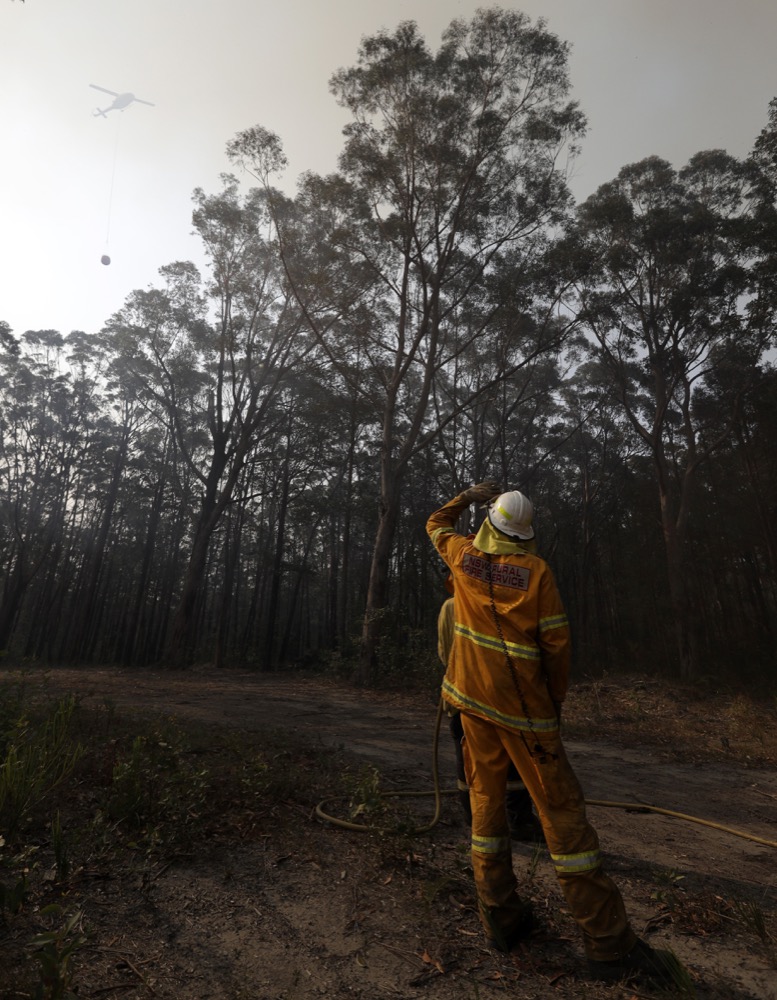
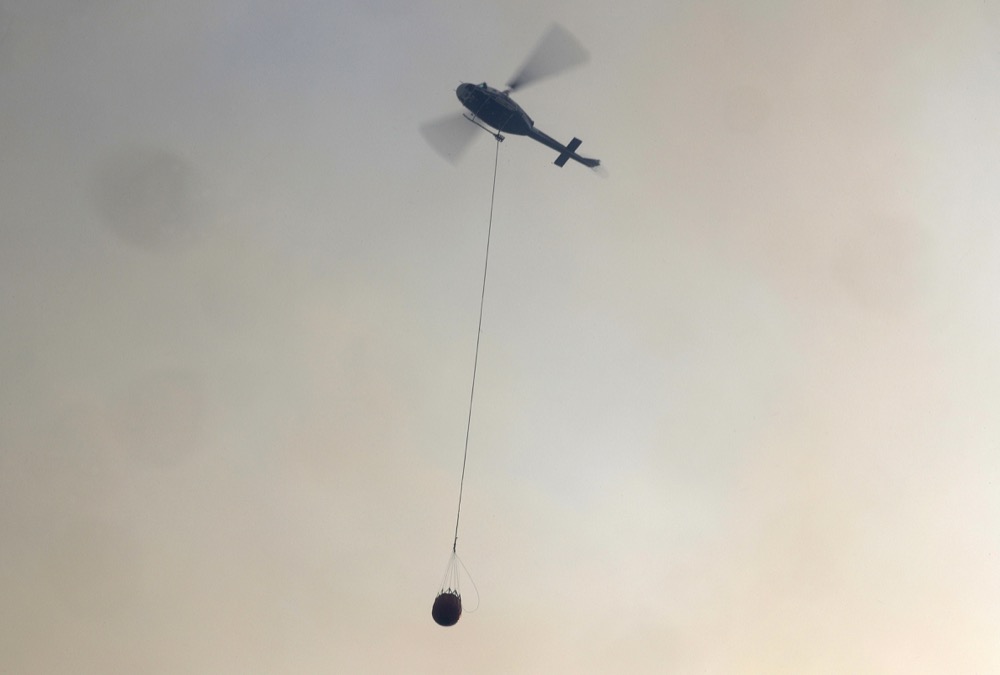
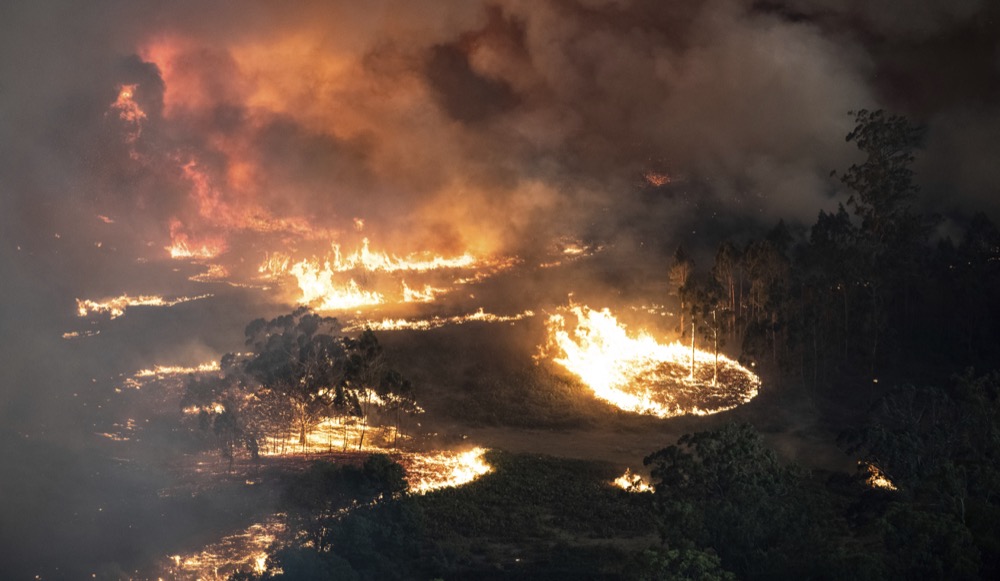
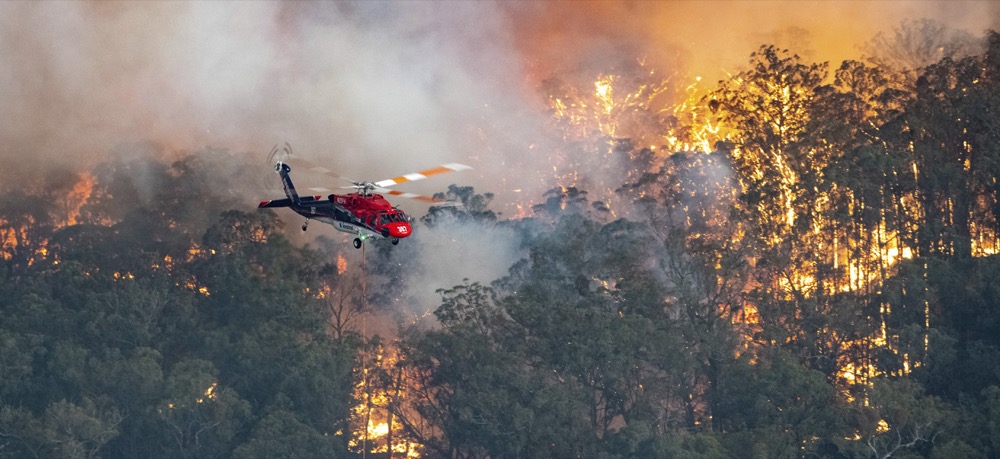
Firefighters winched from helicopters to reach the cluster of fewer than 200 Wollemi Pines in a remote gorge in the Blue Mountains a week before a massive wildlife bore down, National Parks and Wildlife Service Director David Crust said.

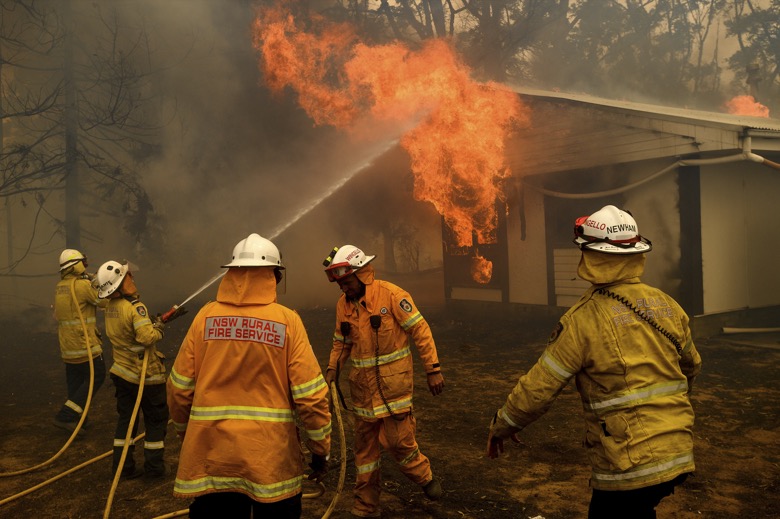
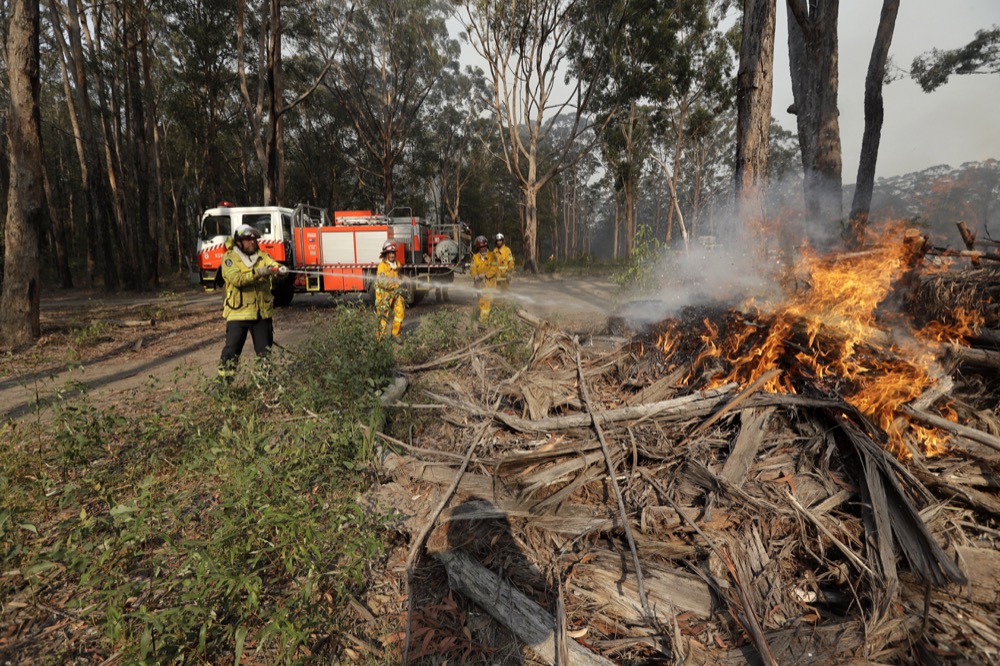
The firefighters set up an irrigation system to keep the so-called dinosaur trees moist and pumped water daily from the gorge as the blaze that had burned out of control for more than two month edged closer.

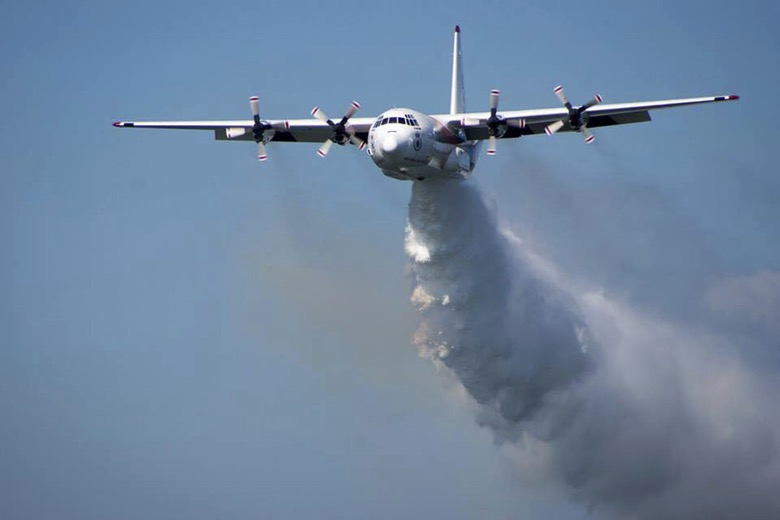
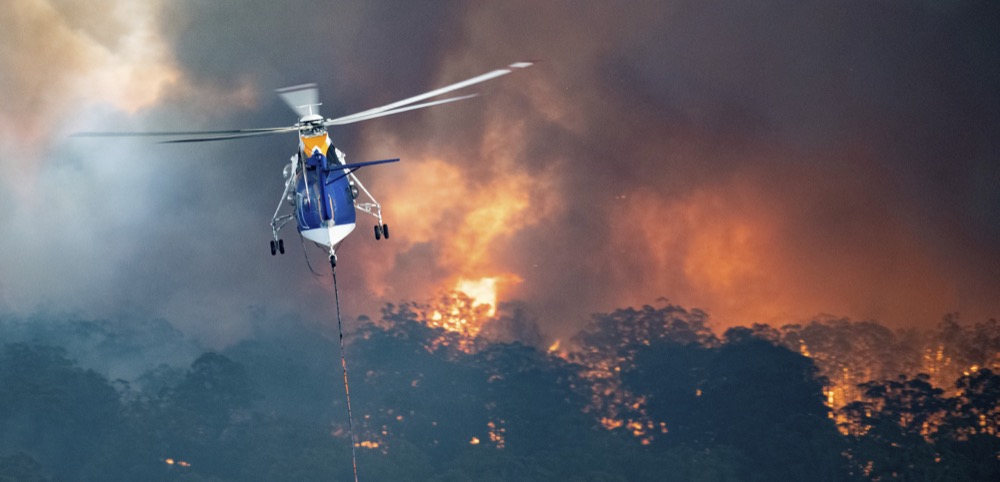
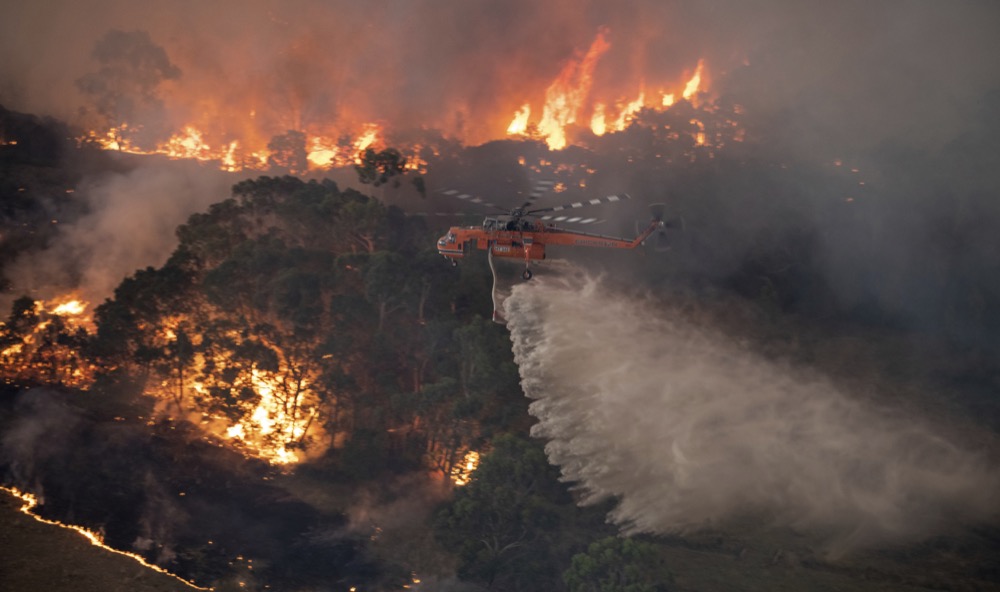
Firefighting planes strategically bombed the fire front with fire retardant to slow its progress.

“That helped just to slow the intensity of the fire as it approached the site,” Crust told Australian Broadcasting Corp.