
Thursday, October 29, 2026Oct 29

This story is free to read.

Chattanooga area coronavirus screening lags due to supply shortages, lab speed

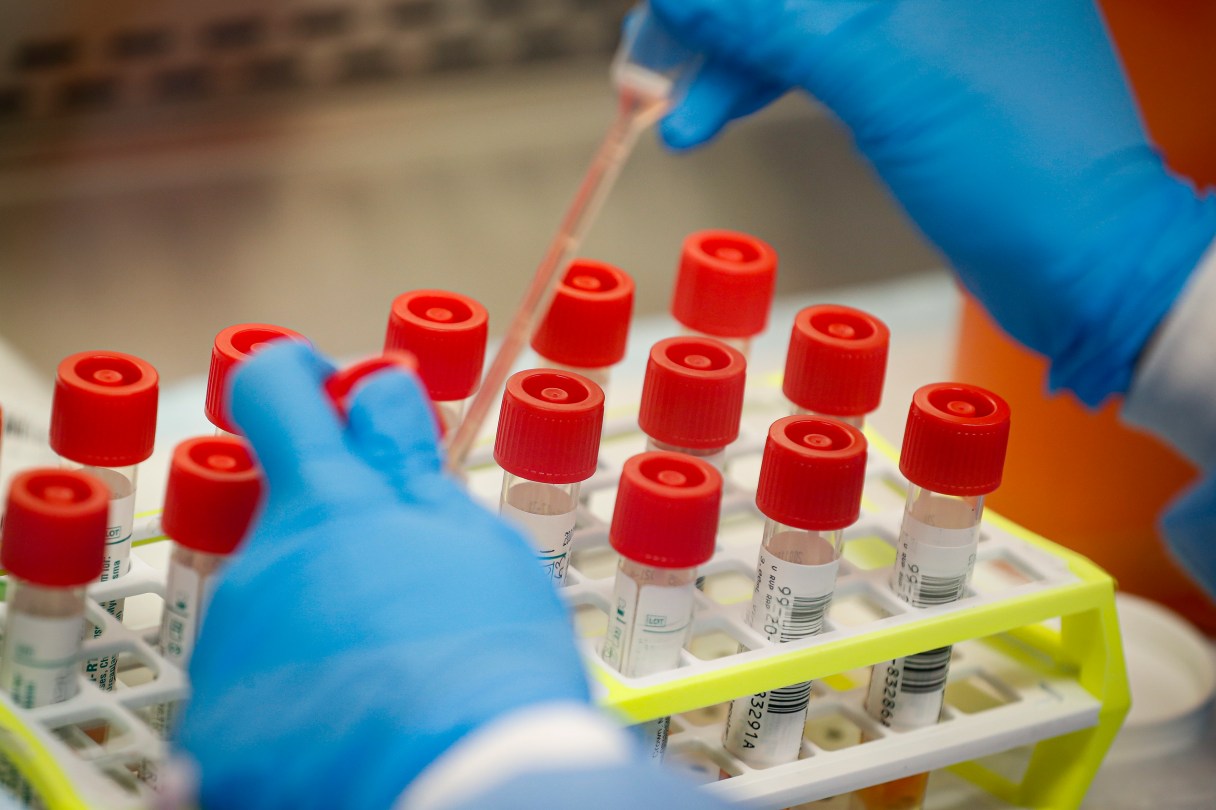
FILE - In this Wednesday, March 11, 2020 file photo, a technician prepares COVID-19 coronavirus patient samples for testing at a laboratory in New York's Long Island. Wide scale testing is a critical part of tracking and containing infectious diseases. But the U.S. effort has been plagued by a series of missteps, including accuracy problems with the test kits the CDC sent to other labs and bureaucratic hurdles that slowed the entrance of large, private sector labs. (AP Photo/John Minchillo)
FILE - In this Wednesday, March 11, 2020 file photo, a technician prepares COVID-19 coronavirus patient samples for testing at a laboratory in New York's Long Island. Wide scale testing is a critical part of tracking and containing infectious diseases. But the U.S. effort has been plagued by a series of missteps, including accuracy problems with the test kits the CDC sent to other labs and bureaucratic hurdles that slowed the entrance of large, private sector labs. (AP Photo/John Minchillo) FILE - In this Wednesday, March 11, 2020 file photo, a technician prepares COVID-19 coronavirus patient samples for testing at a laboratory in New York's Long Island. Wide scale testing is a critical part of tracking and containing infectious diseases. But the U.S. effort has been plagued by a series of missteps, including accuracy problems with the test kits the CDC sent to other labs and bureaucratic hurdles that slowed the entrance of large, private sector labs. (AP Photo/John Minchillo)

For answers to frequently asked questions about the coronavirus, click here.

Before someone’s COVID-19 test can be sent to one of the region’s labs for the nearly weeklong testing process, the patient must find a place that will screen them. In Hamilton County and across the United States, that can be hard to do.

As the pandemic spread across the world over the last three months, countries such as Australia, South Korea and Singapore have aggressively screened citizens by the thousands as a preventative measure, while other countries, including the United States, have taken a reactive approach, testing only high-risk, symptomatic patients.

In Hamilton County, like many other parts of the country, screening is limited to those with both known exposure or other risk factors and symptoms matching the virus.

As of Friday, one week after the first positive test came back to Hamilton County, 15 days after the first case in Tennessee and two months after the first confirmed case in the United States, Hamilton County has tested just 59 of its more than 360,000 residents, eight of whom have tested positive, according to the Chattanooga-Hamilton County Health Department.