
Thursday, November 12, 2026Nov 12

South Korea’s LG to quit making mobile phones to grow electric vehicle business

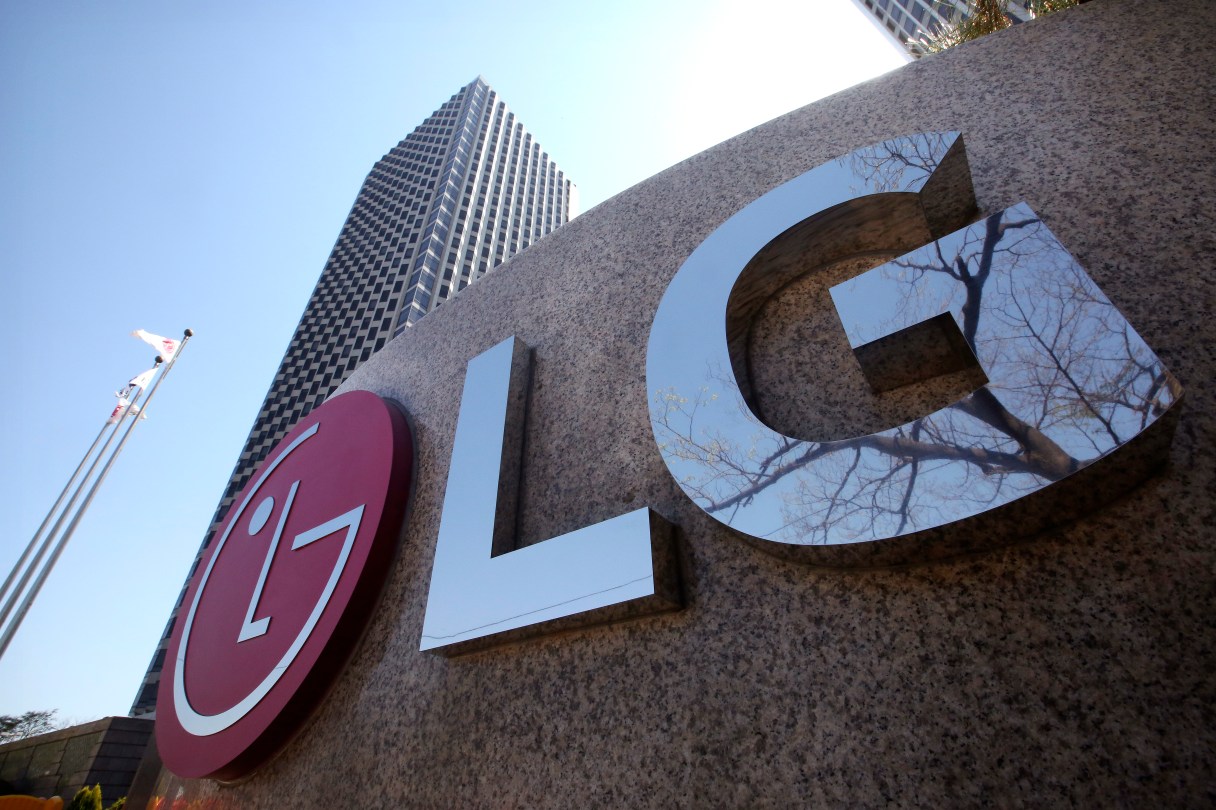
A logo of LG Electronics Inc. is seen outside of the company's office building in Seoul, South Korea, Monday, April 5, 2021. South Korean electronics maker LG said Monday it is getting out of its loss-making mobile phone business to focus on electric vehicle components, robotics, artificial intelligence and other products and services. (AP Photo/Ahn Young-joon)
A logo of LG Electronics Inc. is seen outside of the company's office building in Seoul, South Korea, Monday, April 5, 2021. South Korean electronics maker LG said Monday it is getting out of its loss-making mobile phone business to focus on electric vehicle components, robotics, artificial intelligence and other products and services. (AP Photo/Ahn Young-joon) A logo of LG Electronics Inc. is seen outside of the company's office building in Seoul, South Korea, Monday, April 5, 2021. South Korean electronics maker LG said Monday it is getting out of its loss-making mobile phone business to focus on electric vehicle components, robotics, artificial intelligence and other products and services. (AP Photo/Ahn Young-joon)

South Korean electronics maker LG said Monday it is getting out of its loss-making mobile phone business to focus on electric vehicle components, robotics, artificial intelligence and other products and services.

LG’s board approved the shift in strategy and the company expects to fully exit the mobile phone business by the end of July, it said in a statement.

LG was once the third-largest mobile phone maker but has lost market share to Chinese and other competitors.

It was still No. 3 in North America, with a 13% market share behind Apple’s 39% and Samsung’s 30% as of the third-quarter of 2020, according to Counterpoint Technology Market Research.

LG earlier said it was assessing its strategy as it reported that its sales rose 5% from a year earlier in the last quarter of 2020 but profitability declined due to sluggish sales of premium products.