
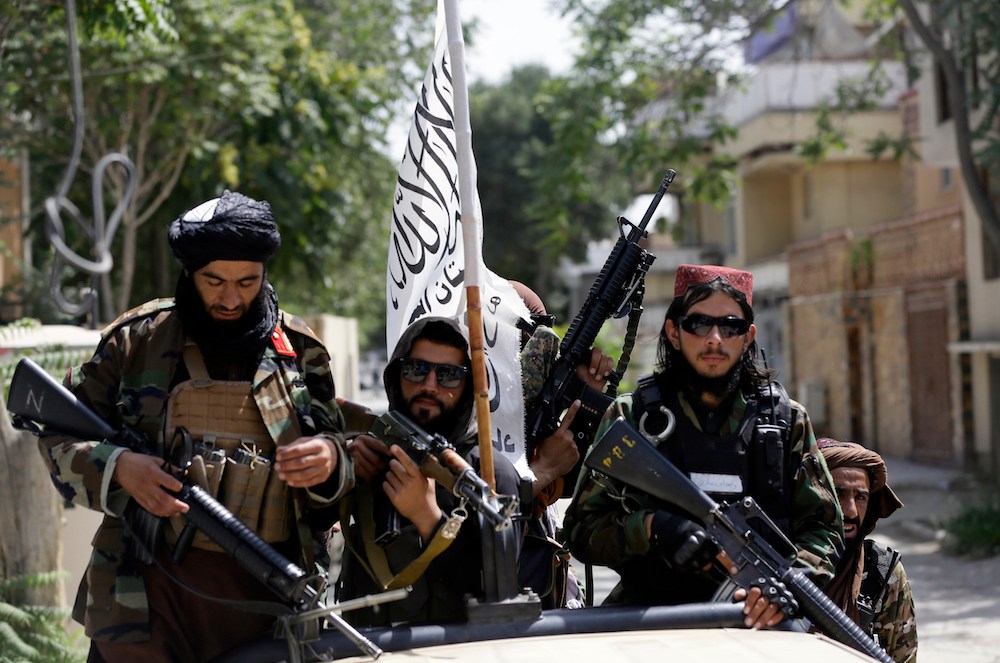
As the world watches the disaster unfold in Afghanistan, there’s another chapter of the story we’re not hearing nearly as much about. The Afghan church, a body of believers that’s experienced incredible growth, now faces life under the Taliban.
Early indications are not encouraging. Almost as quickly as the Islamic fundamentalists are taking control of cities, Christians are being notified that they are being watched.
Earlier, I spoke at length with World Magazine senior editor Mindy Belz, who explained what is happening in Afghanistan. As part of the interview, she described what the Taliban takeover means for the Christian church in Afghanistan. Here is an excerpt of Belz’s comments:
“[The Afghan church] is a unique community, mostly aged 40 and younger. They are all Muslim converts. It’s one of the fastest-growing churches in the world. Since they are a tiny church, now doubled in size, they are considered very fast-growing. There are perhaps only 2,000 people. But they are an important force in Afghanistan, simply because of the force that the Gospel is. Because of the love of Jesus, the reach they have is a real thing in a dark, Taliban-shadowed country.
“About two years ago, a number of these church community leaders did something amazing and brave: They decided to change their identity, their religious affiliation in particular, on their national identification cards.