
“THE KILLING HILLS” by Chris Offutt (Grove Press, 240 pages, $26).
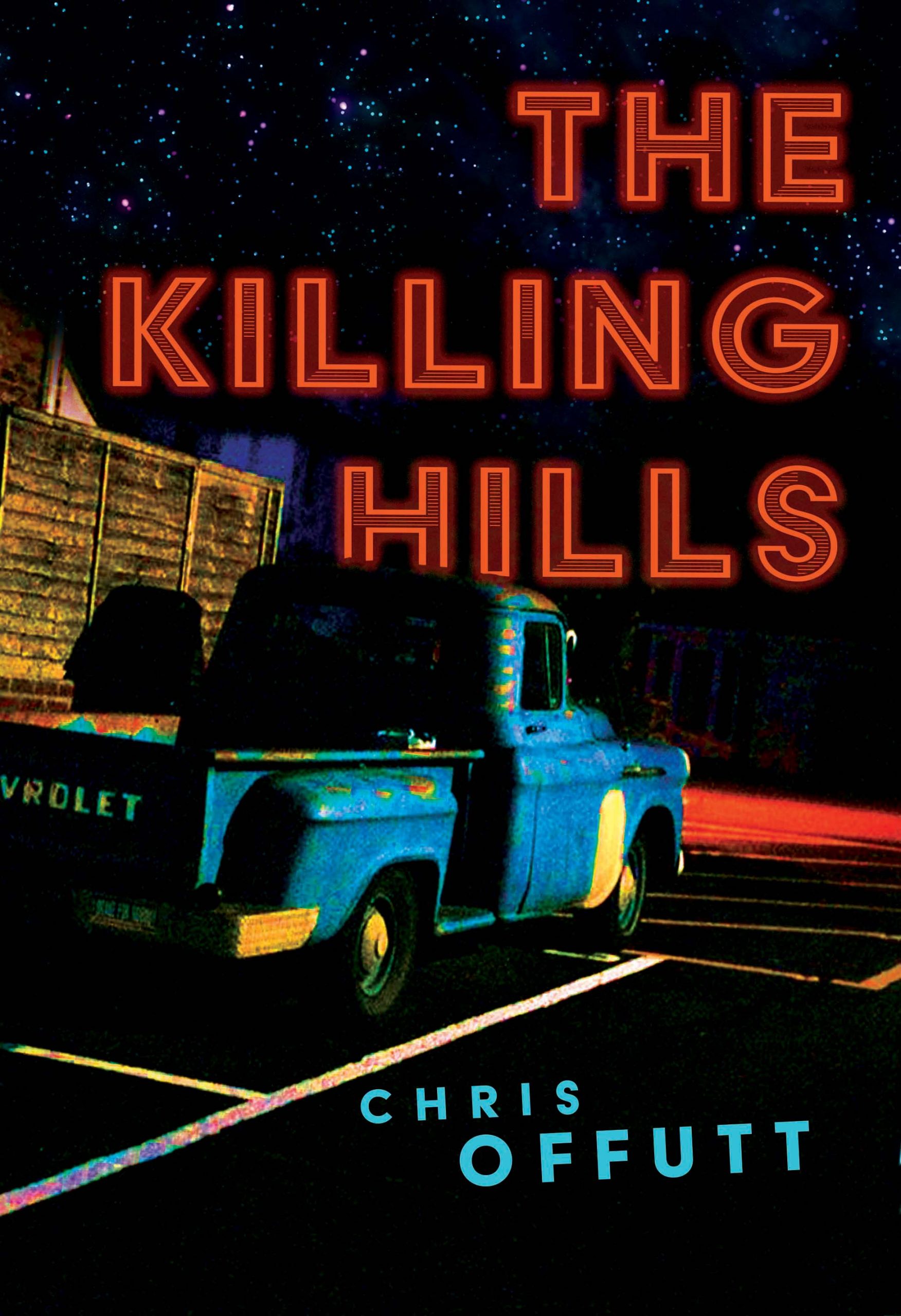 Grove Press / “The Killing Hills”
The hill country of Eastern Kentucky, according to Chris Offutt, is, among other things, “a pretty place to die.” This dry observation at the outset of “The Killing Hills,” Offutt’s latest literary thriller, marks the discovery of a local woman’s dead body by a curmudgeonly ginseng root hunter – one of the novel’s many curious, suspicious and unforgettable characters.
The murder sets off an investigation by a reluctant impromptu private eye in a rural community with no heroes and the kind of murky code of justice typical of places that seem to have been forgotten by the rest of the world. No one knows this territory better than Chris Offutt, who, over the past three decades, has established himself as a brilliant and unflinching chronicler of the hard, desperate people of his native ground.
Few writers today can boast of a body of work as wide-ranging and virtuosic as Offutt’s. His novels and short stories bend genres and upend expectations. His memoirs delve deep into the complicated psyche of Eastern Kentucky and his own troubled, eccentric family. His script work on prestige cable television series like “True Blood,” “Weeds” and “Treme” showcases his restless imagination and his gift for crafting appealing characters who live at the margins and dance close to the edge of oblivion. In all of his work, Offutt combines literary artistry with narrative momentum. “The Killing Hills” is no exception. A taut, gripping thriller, it also draws us deep into the lives of its troubled characters with wit, compassion and insight.
The reluctant private eye at the center of the story is Mick Hardin, an Army investigator (essentially, a soldier-detective) drawn home from deployment in Germany to rural Eastern Kentucky when his sister Linda alerts him to the fact that his wife, Peggy, is in the late stages of pregnancy with a child that may not be his. Mick promptly decamps to his grandfather’s cabin with a case of whiskey to drown his sorrows. Linda, who also happens to be the county sheriff, enlists Mick to investigate the murder of Nonnie Johnson, partly because of her own political entanglements but mostly because she wants someone less conspicuous than herself to find the killer before Nonnie’s outlaw relations dispense their idea of justice on the wrong (or the right) man.