
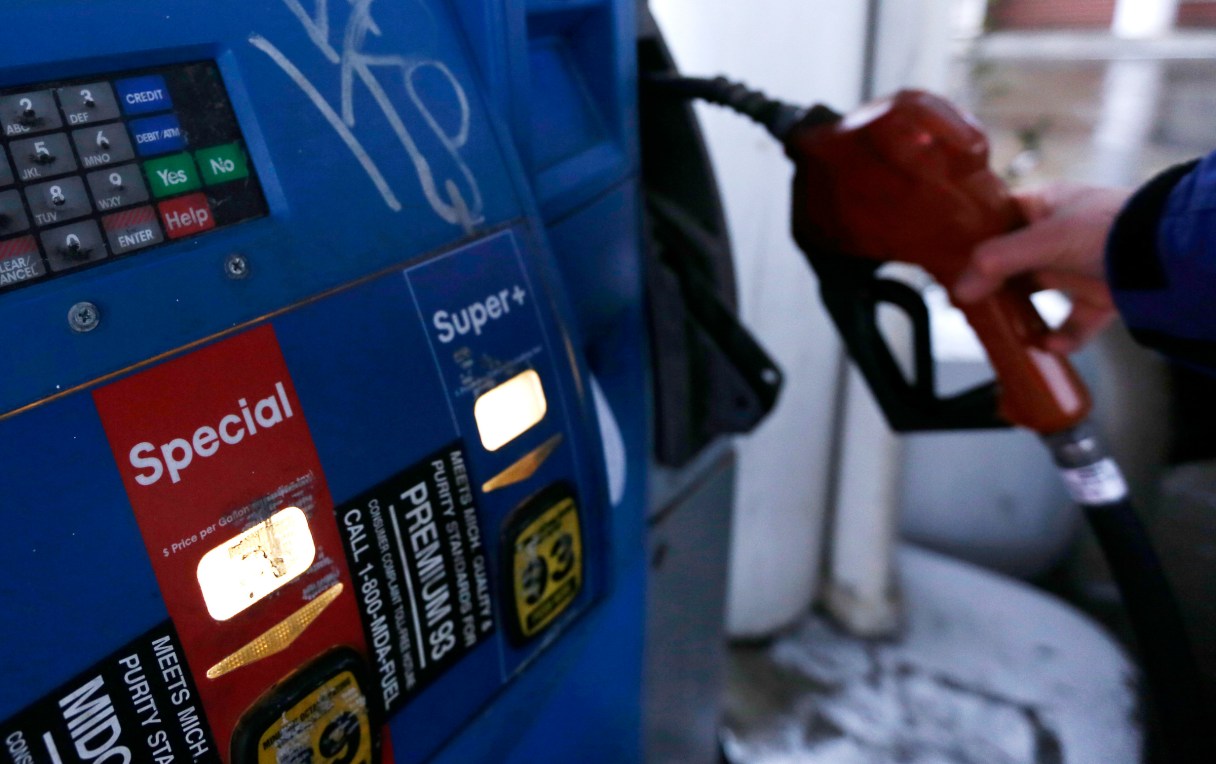
The national average for a price of a gallon of gasoline is quickly approaching $3. Some states are already there. Facebook memes and Twitter trolls have been quick to blame the change in administrations, noting that prices have jumped about 45 cents per gallon since President Joe Biden took office. But is that really the case?
The reality is gas prices have been increasing for nearly a year. Correlation can be a funny thing. As Tyler Vigen, author of “Spurious Correlations” points out, one can also find a strong correlation between the divorce rate in Maine and the per capita consumption of margarine. As statisticians like to say, correlation is not causation. And as economists like to say, a better place to look is supply and demand.
Several factors influence the price at the pump, the largest being the price of crude oil at 43% of the cost. Although the U.S. is the world’s largest oil producer, oil is a globally traded commodity. Therefore, events that affect the supply and demand of oil in the U.S. and around the world make their way into the price displayed at the station.
In an effort to boost prices when they began falling sharply a year ago, the Organization of the Petroleum Exporting Countries and Russia agreed to continue curtailing production. Now, however, demand is picking back up. Economic activity in other major energy-consuming countries, particularly China, has also increased. Consequently, the price of a barrel of crude is hovering around $60, nearly double what it was a year ago.
Refining is the second-largest cost, making up a quarter of the retail price for gasoline. Weather problems in the Gulf Coast recently not only reduced domestic crude production by 10% but knocked 20% of the entire country’s refining capacity offline.