
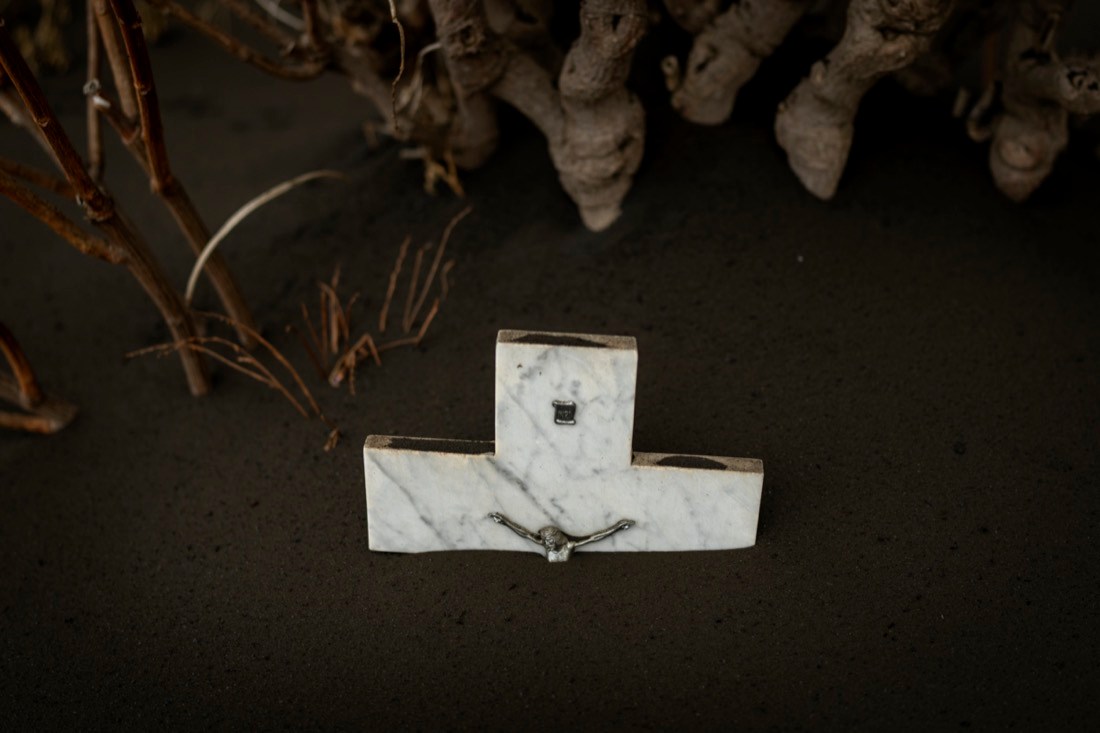
LOS LLANOS DE ARIDANE, Canary Islands (AP) – A volcano on the Spanish island of La Palma that has been erupting for six weeks spewed greater quantities of ash from its main mouth Sunday, a day after producing its strongest earthquake to date.
Lava flows descending toward the Atlantic Ocean from a volcanic ridge have covered 970 hectares (2,400 acres) of land since the eruption began on Sept. 19, data from the European Union’s satellite monitoring service, showed. On the way down the slope, the molten rock has destroyed more than 2,000 buildings and forced the evacuation of over 7,000 people.
But authorities in the Canary Islands, of which La Palma is part, have reported no injuries caused by contact with lava or from inhaling the toxic gases that often accompany the volcanic activity.
Experts said that predicting when the eruption will end is difficult because lava, ash and gases emerging to the surface are a reflection of complex geological activity happening deep down the earth and far from the reach of currently available technology.
The Canary Islands, in particular, “are closely connected to thermal anomalies that go all the way to the core of the earth,” said Cornell University geochemist Esteban Gazel, who has been collecting samples from the Cumbre Vieja volcano.