
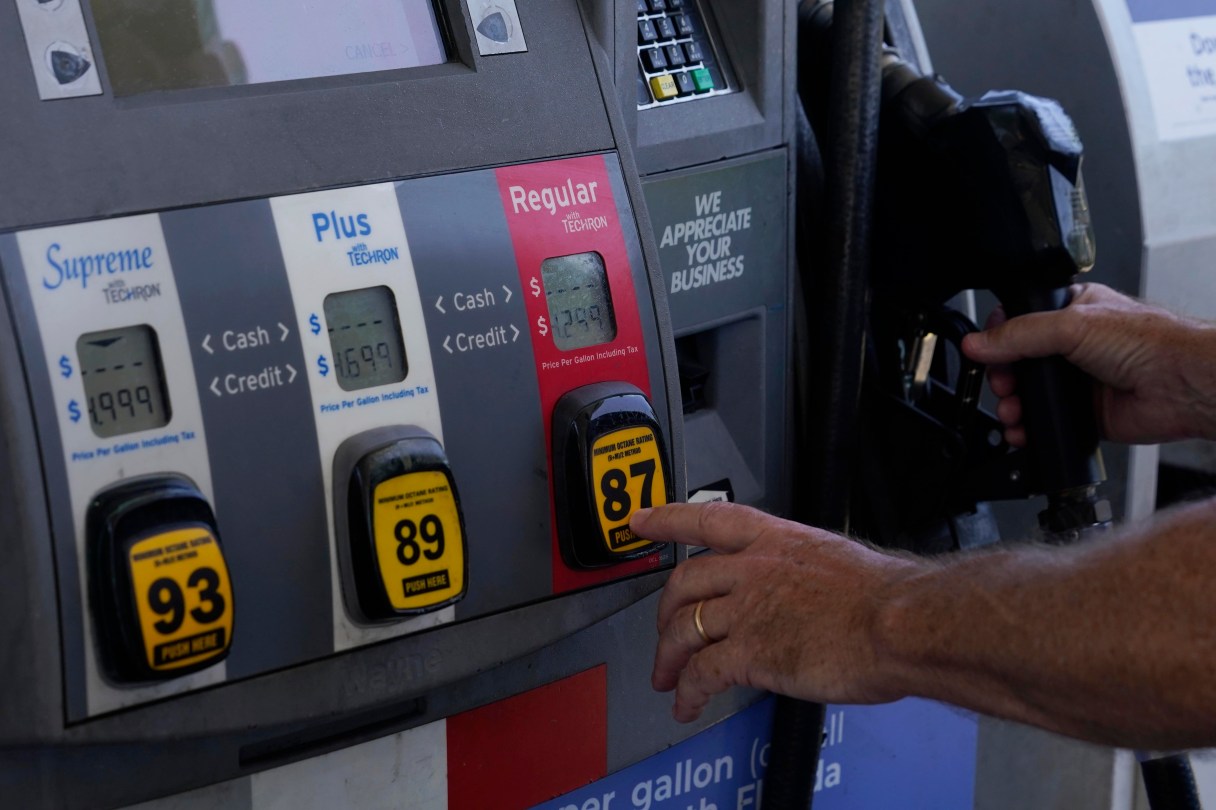
NEW YORK (AP) – Gas prices have fallen from the record highs they reached earlier this summer, but they’re still much higher than a year ago. And with inflation driving up the cost of pretty much everything else, finding the funds to cover your commute may be increasingly tricky.
“Being able to get to work is so essential to people’s basic survival that other things have to go first,” said Abbie Langston, director of equitable economy at PolicyLink, a national research institute. “When we see these massive increases in gas prices, it’s really hurting people.”
Whether you drive, take the bus or ride the subway, here’s what you need to know about how commuters are affected by the cost of living in the United States.
HOW ARE GAS PRICES AFFECTING COMMUTERS?
More than 76% of Americans commute by car. In June, they saw gas prices spike beyond $5 per gallon. While prices have dropped significantly since, the national average price of a gallon of regular unleaded was $3.99 on Thursday, still higher than $3.19 a year ago.