
With bids for a new Tyner Academy soaring over early estimates, some officials are wondering what high inflation and construction costs may mean for the planned Chattanooga Lookouts stadium.
Planners for the new Lookouts ballpark in the South Broad District said they’ll engineer the stadium to fit the budget and manage costs, potentially leaving some non-essential parts for later as they eye work to start in the first half of 2023.
Ellis Smith, director of special projects for Chattanooga Mayor Tim Kelly, said that even though the stadium is still in early planning stages, there’s a commitment to do “value engineering” as needed to meet the budget.
“Stadiums can be constructed in an extremely modular manner, and if costs increase beyond what is anticipated, engineers will be able to hold back on completing certain potential components — such as a beer garden or kid zone — until new revenues come in to support those plans,” he said in an email.
Also, the city has indicated that if private developers interested in building projects around the stadium want to contribute money for construction, they can do so.
While the number of seats isn’t set yet, a similar stadium operated by Lookouts’ ownership in Columbia, South Carolina, that opened in 2016 can hold 9,000 people. The new stadium there offered upgrades in terms of seating with locations in the outfield, food service and team store, according to the club.
Hamilton County Mayor Weston Wamp said last week he doesn’t think the planned stadium can be built for the estimated construction budget of about $72 million.
“I think you’re probably going to see a massive change in the scope of the project,” Wamp said in an interview. “But a stadium is not a school, and you can value engineer this project in a way that we’re not willing to do at a public school. We can do things to limit expenses that we are not willing to do with education.”
In November 2021, the Tyner project was estimated at $68 million. Once the scope was determined and market conditions were reassessed in February 2022, it was estimated the project had increased to nearly $78 million.
But the lowest bid recently came in at $96 million from Christman Co. of Knoxville. School board members have attributed the increase to inflation and the rising costs of construction materials.
Wamp last week promised to fully fund the proposed bid for Tyner, noting the county can re-prioritize other projects to cover the extra costs.
Concerning the multiuse stadium, Wamp said he’s working with Kelly and others to move the stadium project forward even though he was a skeptic of the facility.
He said he’s still wary about the merits of governmental subsidies or tax breaks for stadiums and he worries inflationary construction costs would push up the price of building the ballpark and force either more costs for government or less of a facility.
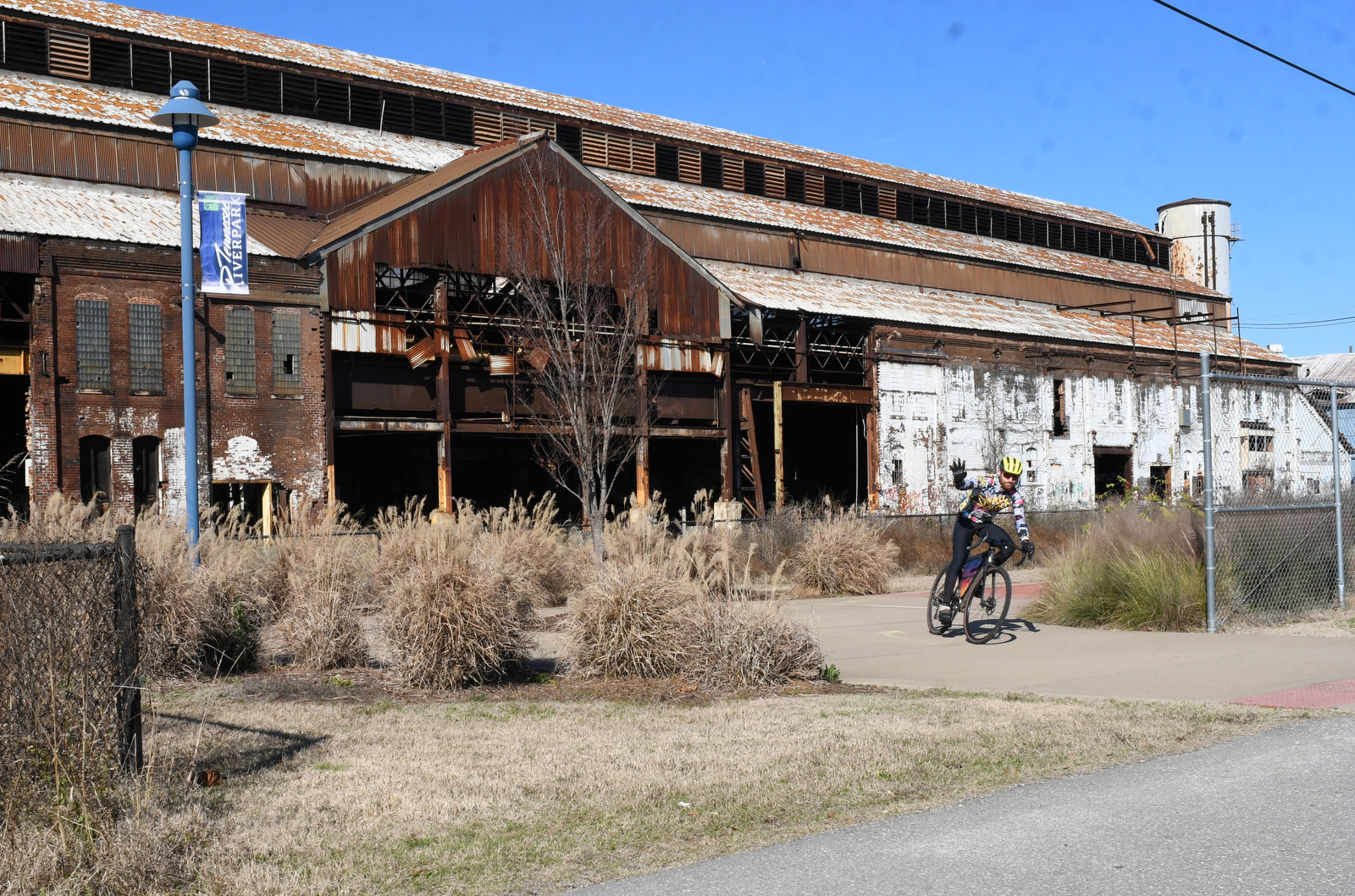
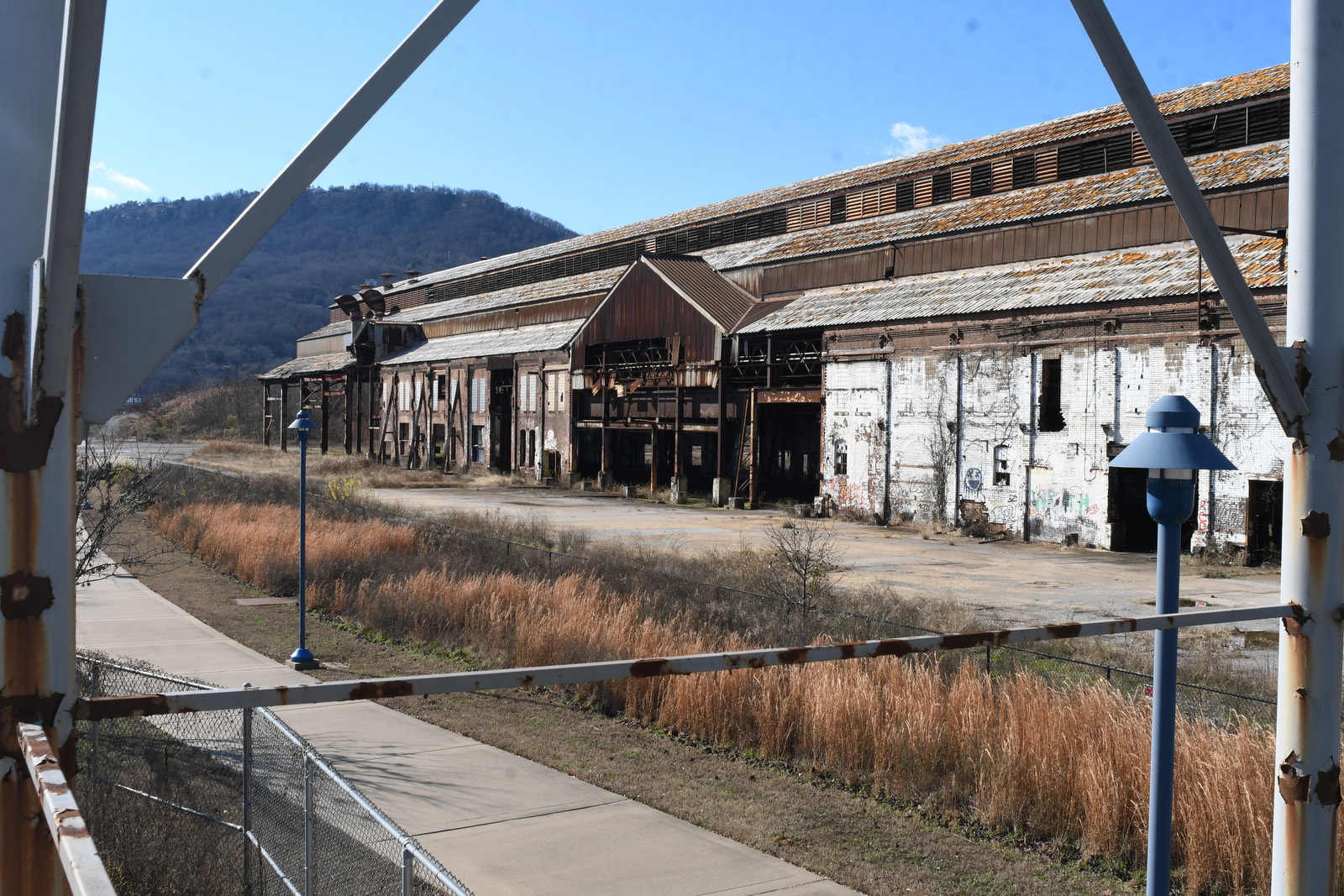
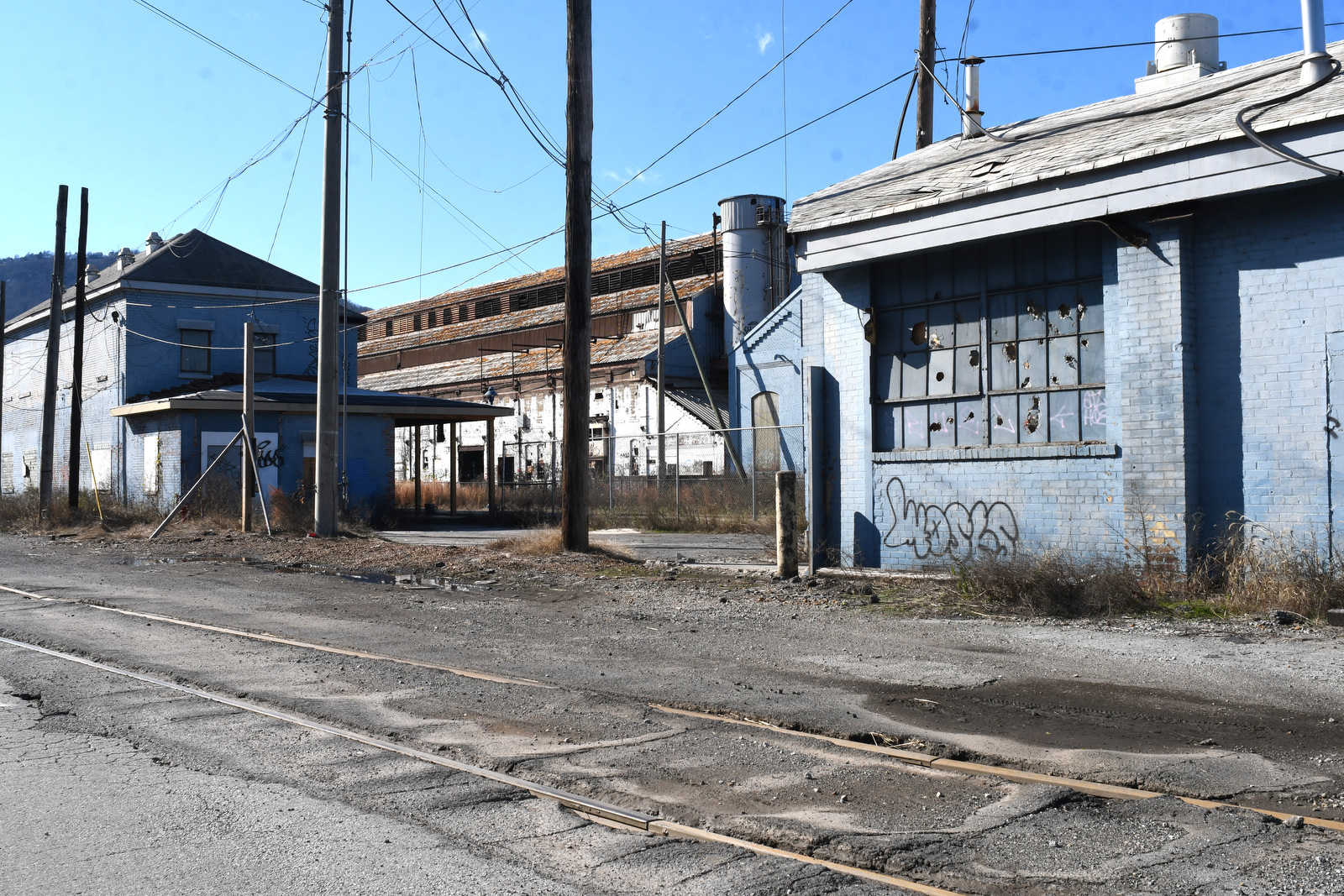
Earlier this fall, Chattanooga’s then-chief financial officer said plans are to issue no more than $80 million in bonds for the stadium on the old U.S. Pipe/Wheland Foundry tract even if costs rise due to interest rates or other expenses. That figure includes construction along with $7.5 million for capitalized interest plus the cost of issuing the bonds.
“We’re not coming back for $82 million or $84 million,” said then-CFO Brent Goldberg to the city-county Sports Authority at a meeting of the panel in September. Goldberg left as CFO on Dec. 1 to take a similar post at the University of Tennessee at Chattanooga.
Smith said the foundry site is larger, flatter and more flexible than the current landlocked AT&T Field in downtown Chattanooga where the Lookouts now play. That will allow capital expansions and improvements far into the future to support anticipated growth and demand for enhanced amenities, he said.
Jim Irwin, the president of the development firm New City Properties in Atlanta who was hired as the foundry site’s master developer, said planners will have a process of early pricing on whatever ideas they have about the stadium.
“We’re going to do everything to manage the budgets given,” he said.
Stadium footprint
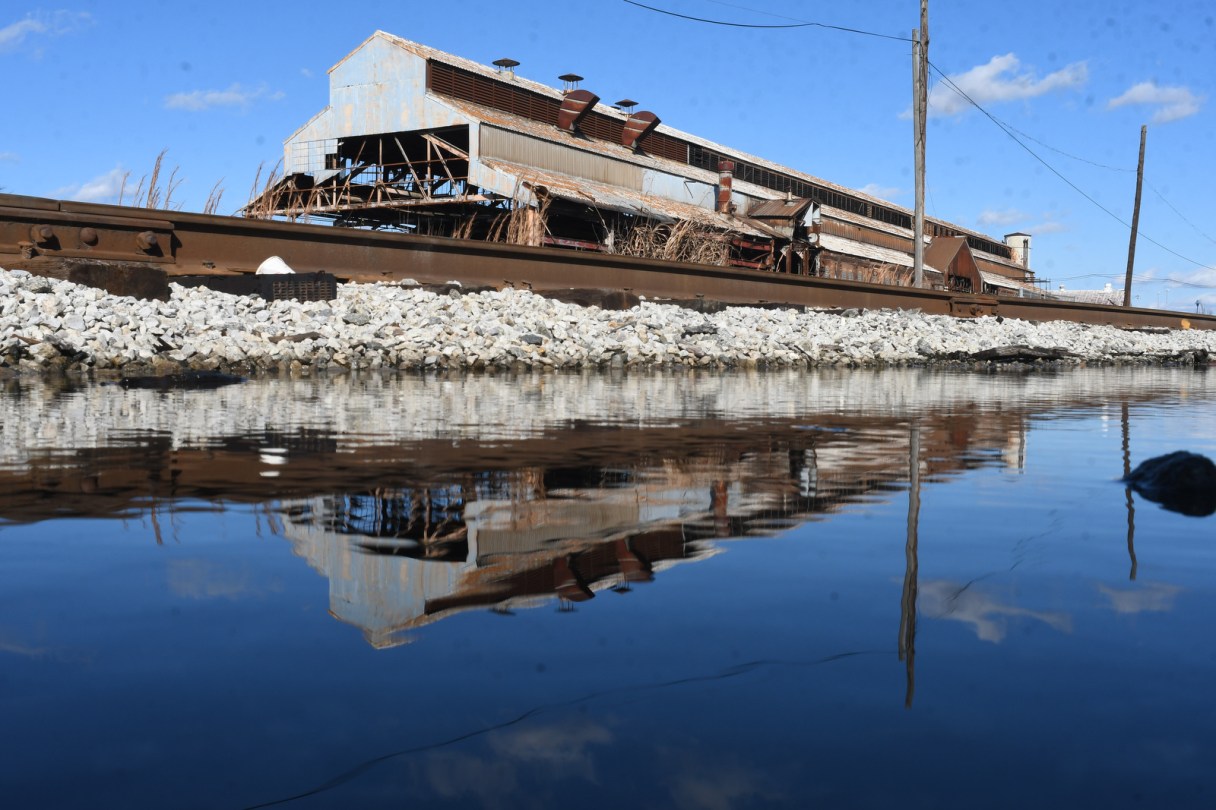
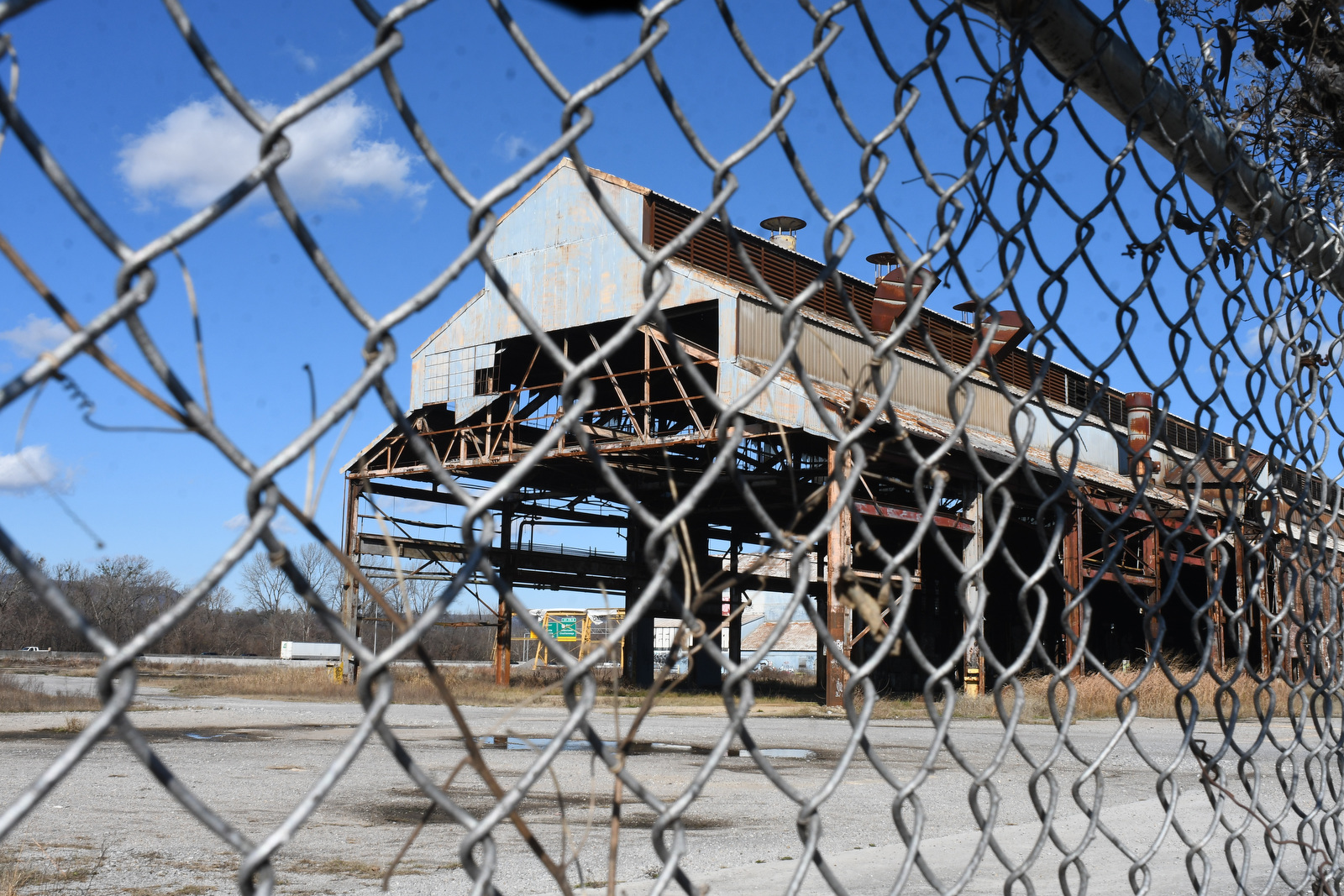
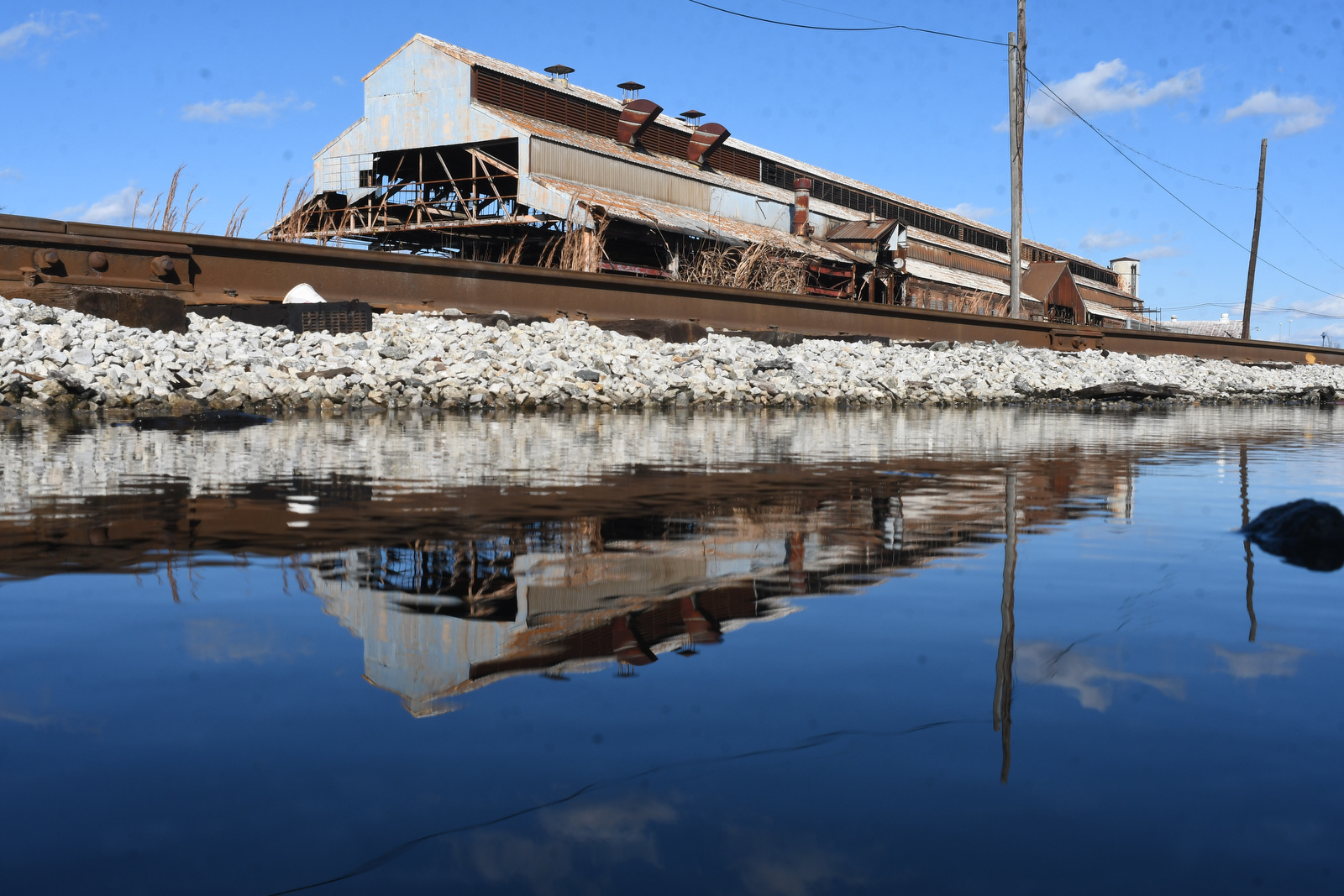
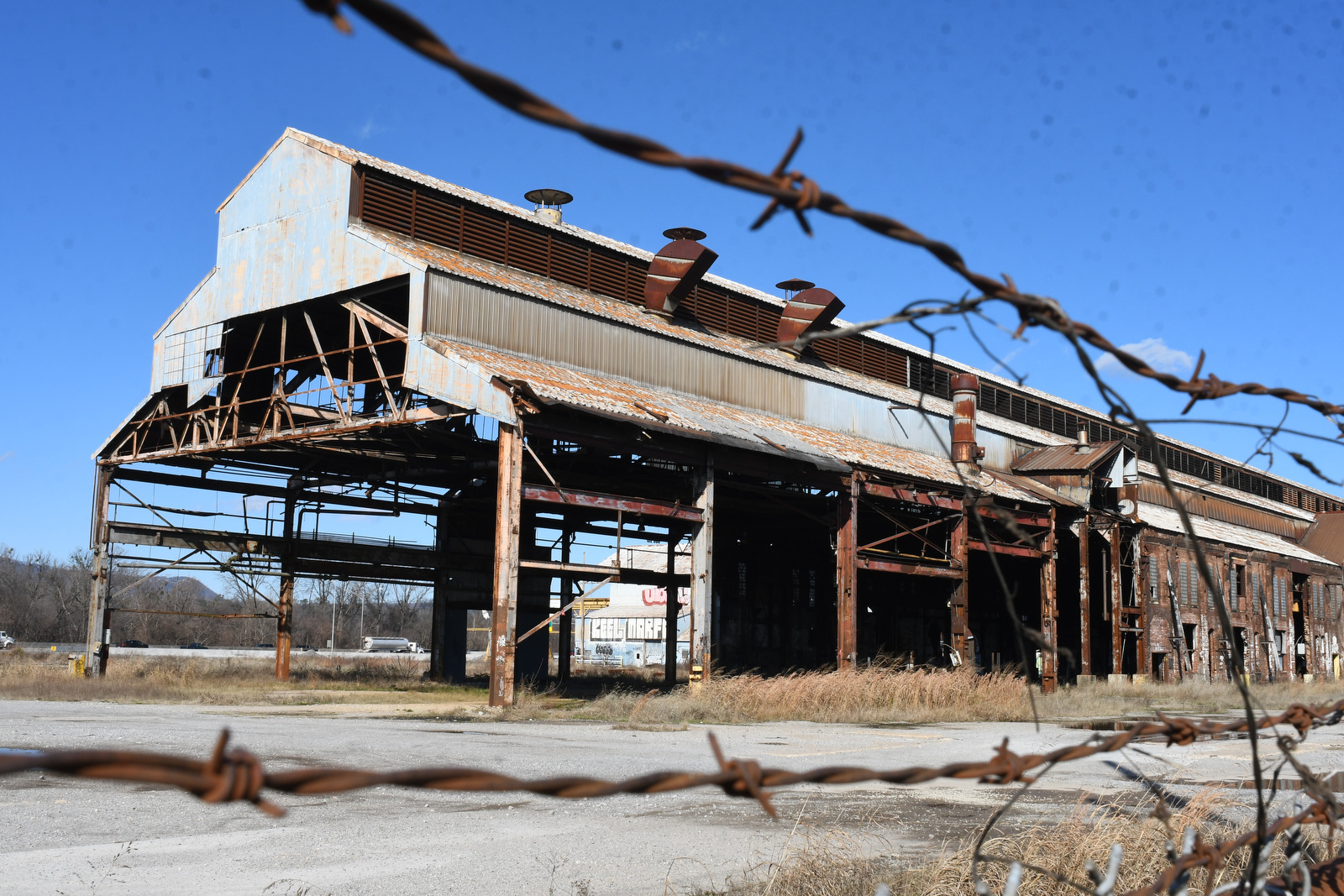
Meanwhile, the company that owns the 120-acre foundry site may buy back some land they earlier sold to the state for a new Interstate 24 exit ramp in order to find the best footprint for the facility, an official said.
“We’re just now in the very inception of trying to site the ballpark,” Irwin said. “With a few more feet, it could open up opportunities for the stadium we’re interested in exploring.”
Irwin said there are lots of ways planners can fit the stadium on the foundry property. Most of those concepts don’t require landowner Perimeter Properties buying back any of the 2.5 acres left unused by the Tennessee Department of Transportation of the 6 acres that the company had sold.
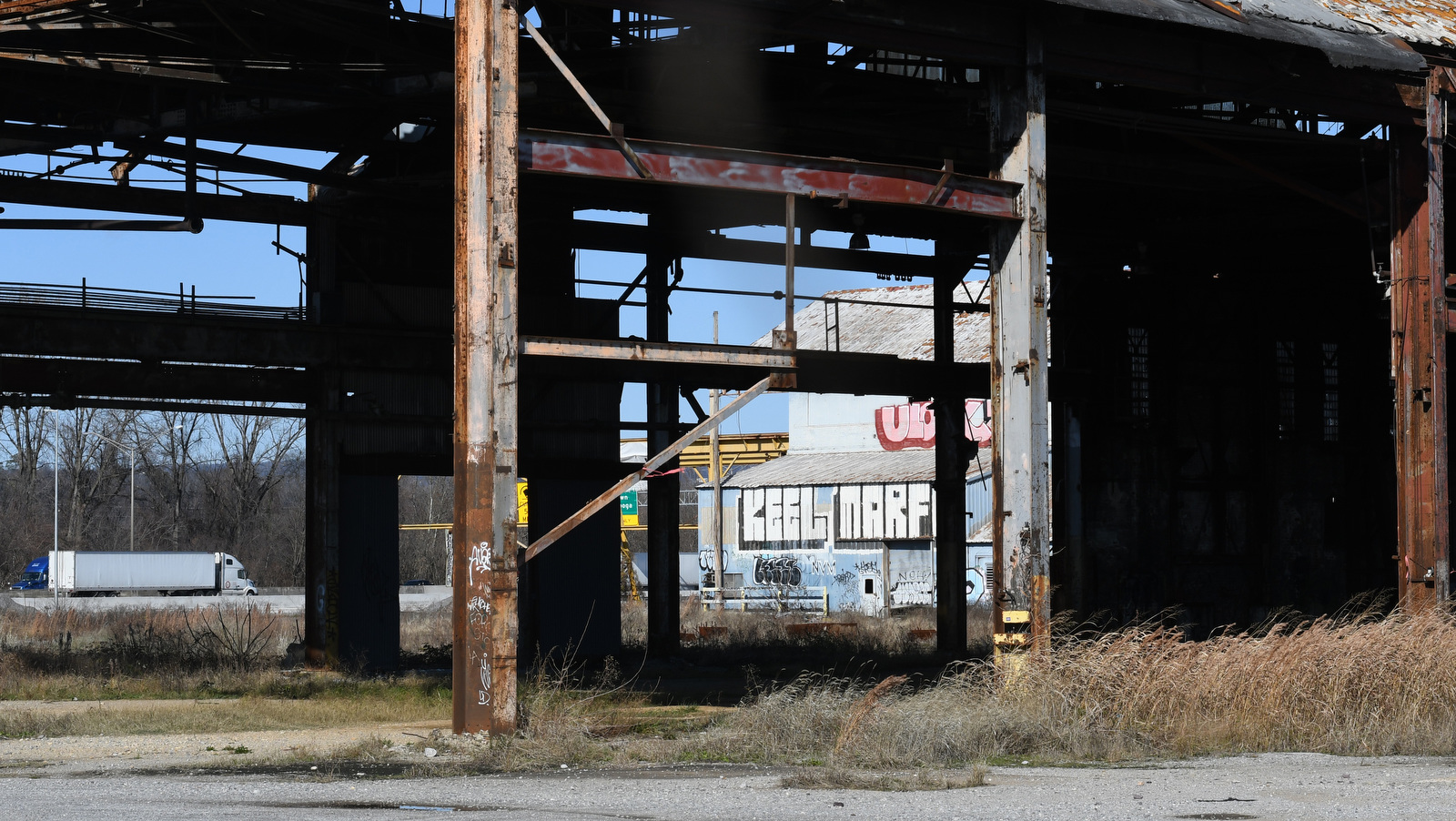
But, he said, it’s worth asking the question if buying some of the land that was left over from the exit project could allow the use of more of the existing foundry buildings in the stadium’s final design.
“That’s why we’re studying this,” Irwin said. “We asked the question to start the process. We don’t know if it’s zero or all of the 2.5 acres. We’re pretty sure it’s something in the middle but we don’t know.”
TDOT spokeswoman Rae-Anne Bradley said the department has been contacted about the idea and the landowners will have to apply to the state to repurchase the property.
“That request will have to work its way through our excess land office and process,” she said in an email.
Groundbreaking for the proposed stadium could take place in April, Goldberg said earlier. That timeframe would allow for a planned April 2025 opening for the ballpark where the Lookouts owners would like to start the team’s minor league baseball season that year.
Officials said that in addition to baseball, high school sports, soccer, concerts and charity events are among hundreds of uses in a new stadium. Lookouts officials said the existing AT&T Field was built in 2000 for just minor league baseball and it’s obsolete in terms of meeting current-day needs.
Also, the Lookouts are facing new guidelines by Major League Baseball for minor league stadiums, and Chattanooga faces losing the franchise if those aren’t met, officials said.
The city and county earlier this year approved creation of a special tax district around the planned stadium to help finance it. Most of the new property tax revenue from the special district, Lookouts’ lease payments, sales taxes, parking revenues and $1.4 million each from the city and county will pay for debt service on 30-year bonds to be issued for the project, officials have said.
Revenues from the tax district of about 470 acres around the stadium would pay for 58% of the project. The district includes not just the 120 acres of developable foundry property, but the South Broad area around it. Also included are a number of tracts south of Chattanooga Creek, including a site for a proposed greenway connecting to Alton Park.
City and county officials have said they initially expect $350 million in new development in the tax district but added that $1 billion or more is anticipated.
Staff writer Dave Flessner contributed to this story.
Contact Mike Pare at mpare@timesfreepress.com or 423-757-6318. Follow him on Twitter @MikePareTFP.