
Wednesday, October 28, 2026Oct 28

This story is free to read.

China’s COVID-19 surge raises odds of new coronavirus mutant

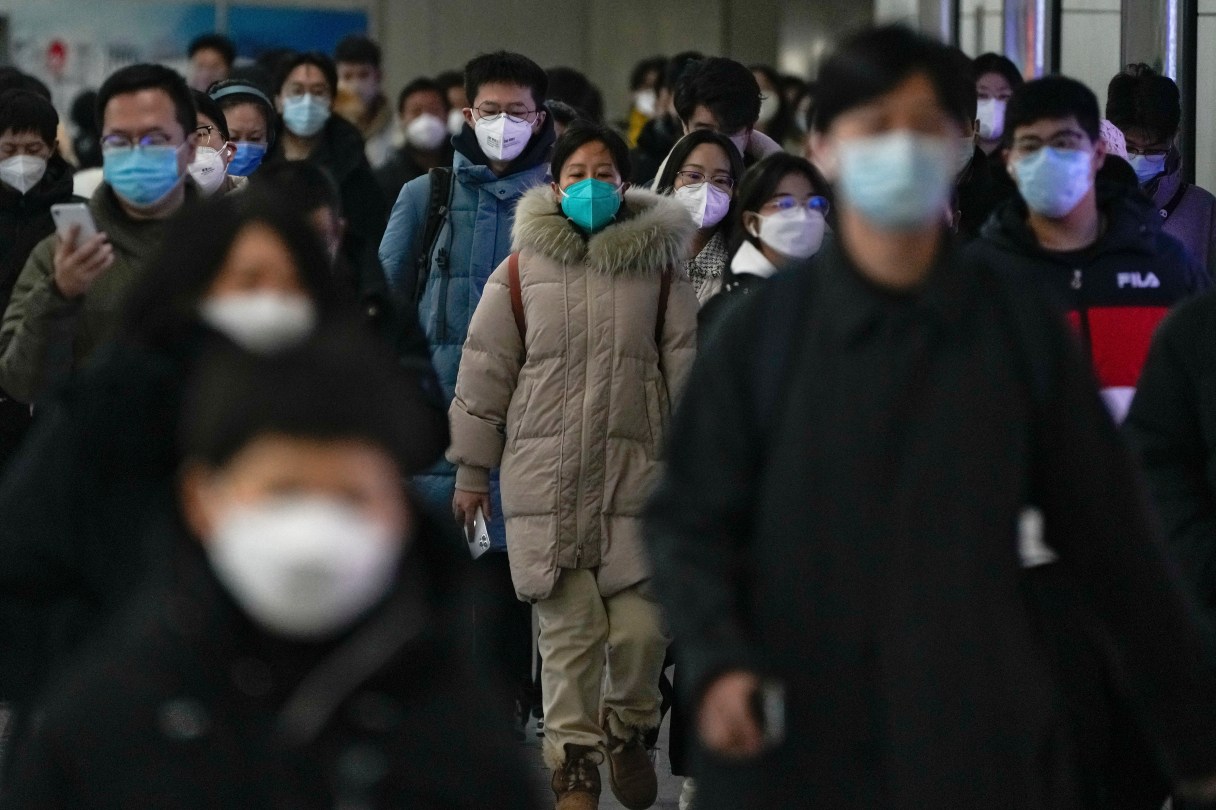
FILE - Masked commuters walk through a walkway in between two subway stations as they head to work during the morning rush hour in Beijing, Tuesday, Dec. 20, 2022. China continues to adapt to an easing of strict virus containment regulations. About three years ago, the original version of the coronavirus spread from China to the rest of the world and was eventually replaced by the delta variant, then omicron and its descendants, which continue plaguing the world today. (AP Photo/Andy Wong, File)
FILE - Masked commuters walk through a walkway in between two subway stations as they head to work during the morning rush hour in Beijing, Tuesday, Dec. 20, 2022. China continues to adapt to an easing of strict virus containment regulations. About three years ago, the original version of the coronavirus spread from China to the rest of the world and was eventually replaced by the delta variant, then omicron and its descendants, which continue plaguing the world today. (AP Photo/Andy Wong, File) FILE - Masked commuters walk through a walkway in between two subway stations as they head to work during the morning rush hour in Beijing, Tuesday, Dec. 20, 2022. China continues to adapt to an easing of strict virus containment regulations. About three years ago, the original version of the coronavirus spread from China to the rest of the world and was eventually replaced by the delta variant, then omicron and its descendants, which continue plaguing the world today. (AP Photo/Andy Wong, File)


Could the COVID-19 surge in China unleash a new coronavirus mutant on the world?

Scientists don’t know but worry that might happen. It could be similar to omicron variants circulating there now. It could be a combination of strains. Or something entirely different, they say.

“China has a population that is very large and there’s limited immunity. And that seems to be the setting in which we may see an explosion of a new variant,” said Dr. Stuart Campbell Ray, an infectious disease expert at Johns Hopkins University.

Every new infection offers a chance for the coronavirus to mutate, and the virus is spreading rapidly in China. The country of 1.4 billion has largely abandoned its “zero COVID” policy. Though overall reported vaccination rates are high, booster levels are lower, especially among older people. Domestic vaccines have proven less effective against serious infection than Western-made messenger RNA versions. Many were given more than a year ago, meaning immunity has waned.