

Thursday, October 29, 2026Oct 29

This story is free to read.

Meigs County’s Trail of Tears roadbed segment nominated to National Register of Historic Places

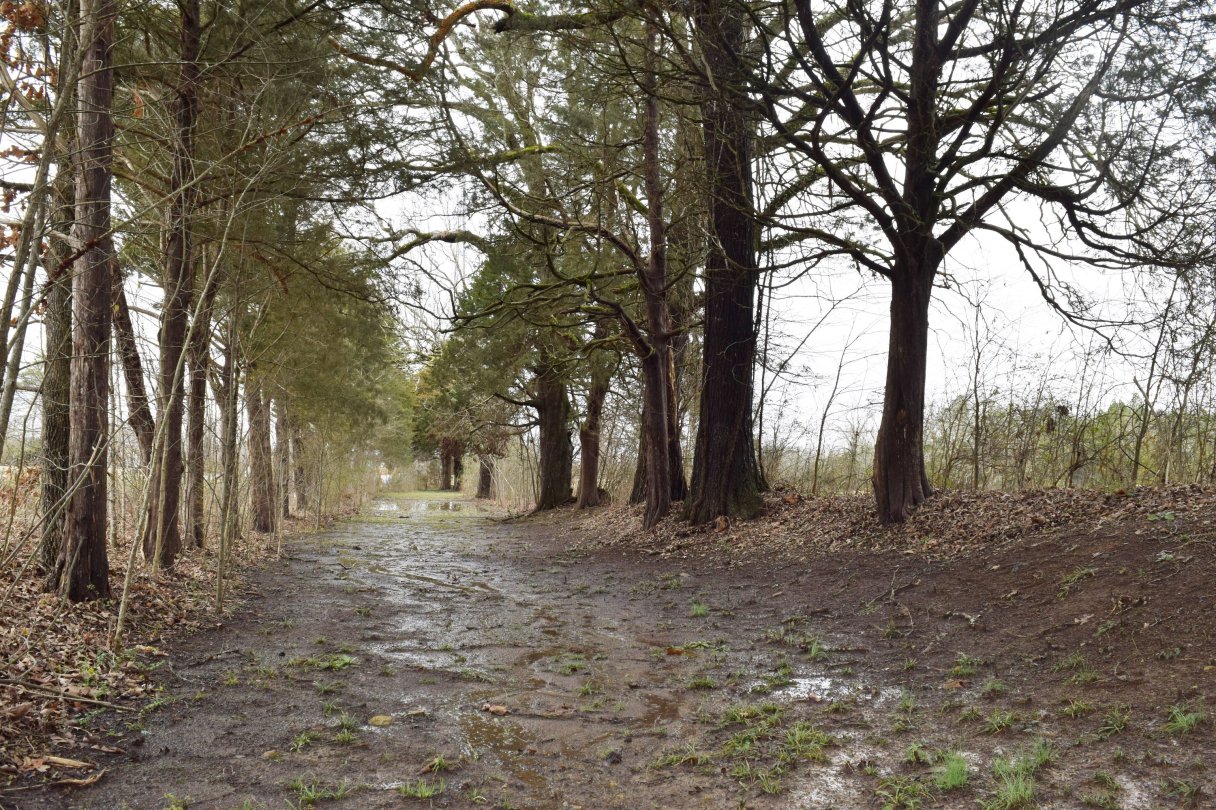
Staff photo by Ben Benton / The Tennessee Historical Commission voted in January to nominate a segment of the Cherokee Trail of Tears in Meigs County to the National Register of Historic Places for its role in the story of the removal of the Cherokee from their homeland in Tennessee, Georgia and North Carolina. The site lies a little east of the intersection of Tennessee State routes 58 and 60 and contains the original roadbed of a portion of the Trail of Tears known as the Georgetown Road.
Staff photo by Ben Benton / The Tennessee Historical Commission voted in January to nominate a segment of the Cherokee Trail of Tears in Meigs County to the National Register of Historic Places for its role in the story of the removal of the Cherokee from their homeland in Tennessee, Georgia and North Carolina. The site lies a little east of the intersection of Tennessee State routes 58 and 60 and contains the original roadbed of a portion of the Trail of Tears known as the Georgetown Road. Staff photo by Ben Benton / The Tennessee Historical Commission voted in January to nominate a segment of the Cherokee Trail of Tears in Meigs County to the National Register of Historic Places for its role in the story of the removal of the Cherokee from their homeland in Tennessee, Georgia and North Carolina. The site lies a little east of the intersection of Tennessee State routes 58 and 60 and contains the original roadbed of a portion of the Trail of Tears known as the Georgetown Road.

GEORGETOWN, Tenn. – A few hundred yards from the intersection of Tennessee State routes 58 and 60 in Meigs County lies the original roadbed of a portion of the Cherokee Trail of Tears, a segment state historians believe deserves a national place of honor and distinction.

The Tennessee Historical Commission voted in January to nominate the site to the National Register of Historic Places for its role in one of America’s darker moments when the Trail of Tears traced a path of despair for the Cherokee from their homeland in Tennessee, Georgia and North Carolina to the Indian Territory in modern-day Oklahoma.

The Georgetown property belongs to Greg Vital, who owns hundreds of acres in the area of the trail and finds it deeply moving to think about what the trail means to the history of the area.

“It is very overwhelming when you think of it in the context of what occurred there [184] years ago,” Vital said Wednesday in a telephone interview. “The sections of the Trail of Tears in most cases have completely disappeared because of progress and development and the fact that they were long and narrow and stretched a long ways from East Tennessee and North Carolina all the way to Oklahoma.”

(READ MORE: U.S. House votes 407-16 to return Cherokee lands, but no one takes up the idea in the Senate)