
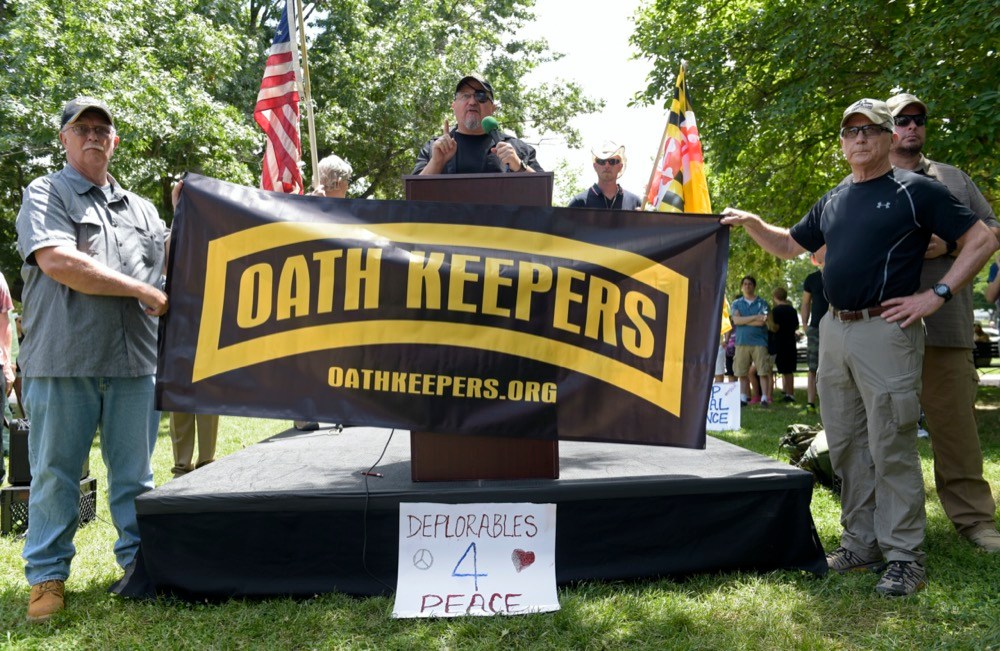
The seditious conspiracy case against members and associates of the far-right Oath Keepers militia group marks the boldest attempt so far by the government to prosecute those who attacked the U.S. Capitol, but invoking the rarely used charge carries considerable risks.
Still, legal experts who have reviewed the indictment unsealed this past week against Oath Keepers founder Stewart Rhodes and 10 others said prosecutors stand a good chance of winning convictions on allegations that the defendants were working together to use force to stop the peaceful transfer of presidential power.
The Civil War-era charge is hard to prove, and scholars say overzealousness in applying it, going back centuries, also discredited its use.
The experts who examined the indictment against the 11 Oath Keepers members and associates said the government’s case is supported by detailed allegations that participants in the plot discussed their plans in encrypted chats, traveled to the nation’s capital from across the country, organized into teams, used military tactics, stashed weapons outside Washington in case they felt they were needed and communicated with each other during the riot on Jan. 6, 2021.
“This is as a good a case as you could bring,” said Carlton Larson, a law professor at the University of California at Davis who is an expert in treason law.