
WASHINGTON (AP) – Propelled by surging costs for gas, food and housing, consumer inflation jumped 7.9% over the past year, the sharpest spike since 1982 and likely only a harbinger of even higher prices to come.
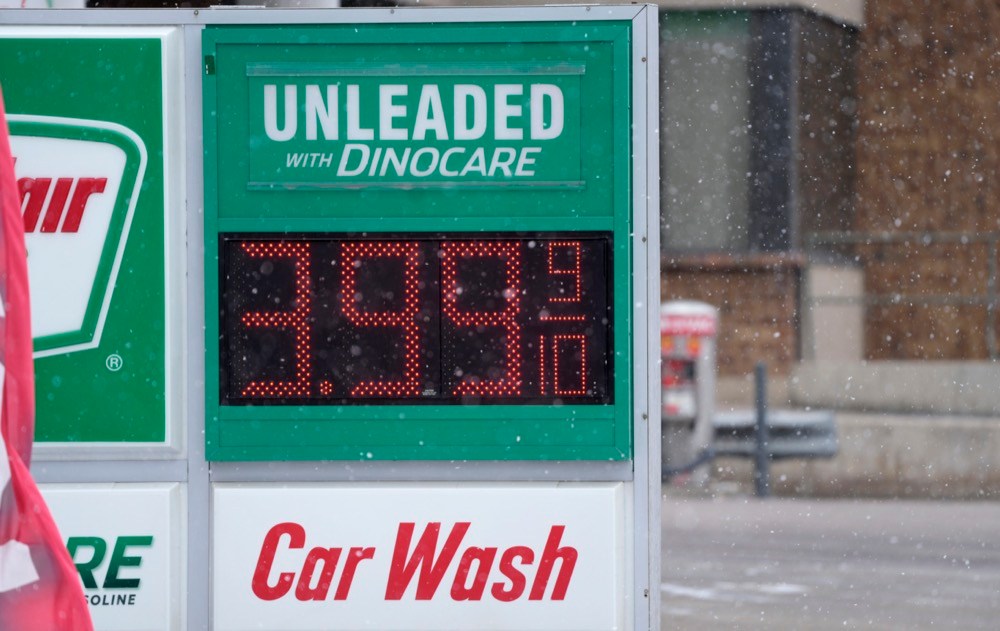
The increase reported Thursday by the Labor Department reflected the 12 months ending in February and didn’t include the oil and gas price surges that followed Russia’s invasion of Ukraine on Feb. 24. Since then, average gas prices nationally have jumped about 62 cents a gallon to $4.32, according to AAA.
Even before the war further accelerated price increases, robust consumer spending, solid pay raises and persistent supply shortages had sent U.S. inflation to its highest level in four decades. What’s more, housing costs, which make up about a third of the government’s consumer price index, have risen sharply, a trend that’s unlikely to reverse anytime soon.
“The numbers are eye-watering, and there is more to come,” said Eric Winograd, senior economist at asset management firm AllianceBernstein. “The peak in inflation will be much higher than previously thought and will arrive later than previously expected.”
The government’s report Thursday showed that from January to February, inflation rose 0.8%, up from a 0.6% increase from December to January. Excluding the volatile food and energy categories, so-called core prices rose a sharp 0.5% month to month and 6.4% from a year earlier. Economists tend to monitor core prices because they more closely reflect longer-running inflation trends.