
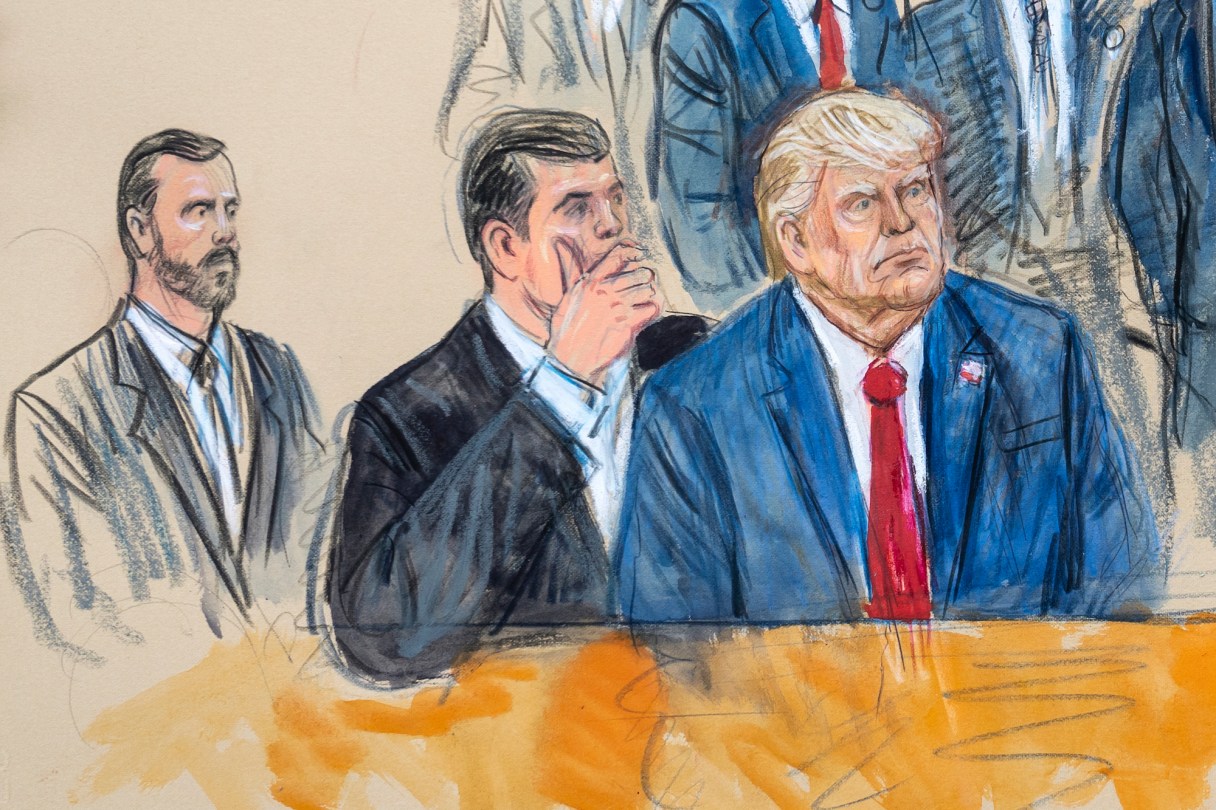
Not putting up with the defendant’s lawyers’ garbage, Washington Federal Judge Tanya Chutkan set Donald Trump’s trial for trying to steal the 2020 election to begin on March 4. Trump’s attorneys had argued for a date in April, not a month later, but 25 months later, in 2026. Trump’s legal team didn’t flag a particular day to counter Special Counsel Jack Smith’s request for a Jan. 2 commencement, so assume they would have been satisfied with April 1, 2026. But Chutkan wasn’t fooled.
Many have noted March 4, a Monday, is just a day ahead of Super Tuesday, when 15 states will have Republican presidential primaries or caucuses with Trump on the ballot.
However, we see March 4 as more symbolically important than the political calendar, as being about government and Americans’ self-rule under the Constitution. For most of our history with this Constitution, March 4 was Jan. 20, the beginning of a new term.
From George Washington’s first term and the 1st Congress gathering at Federal Hall downtown in 1789 to FDR’s first term and the 73rd Congress, March 4 was inauguration day for both the president and the legislature (yes, we know that George wasn’t sworn in until April 30 that very first time).
The four-month time lag from an early November election until the first week of March perhaps was fine during the days of horses, but by 1932 it was too long and the 20th Amendment, ratified in 1933, shortened the lame duck period until January. Since then, each new Congress would be sworn in on Jan. 3, with the president taking office on Jan. 20. The other change was instead of the old Congress counting and certifying the Electoral College vote in February, the new members would do the counting under the gavel of the old vice president on Jan. 6. Now, thanks to Trump, that’s a date that everyone knows, including the D.C. grand jury that indicted him.