
Tuesday, November 10, 2026Nov 10

EXPLAINER: Why has Syria’s economic crisis hit a new low?

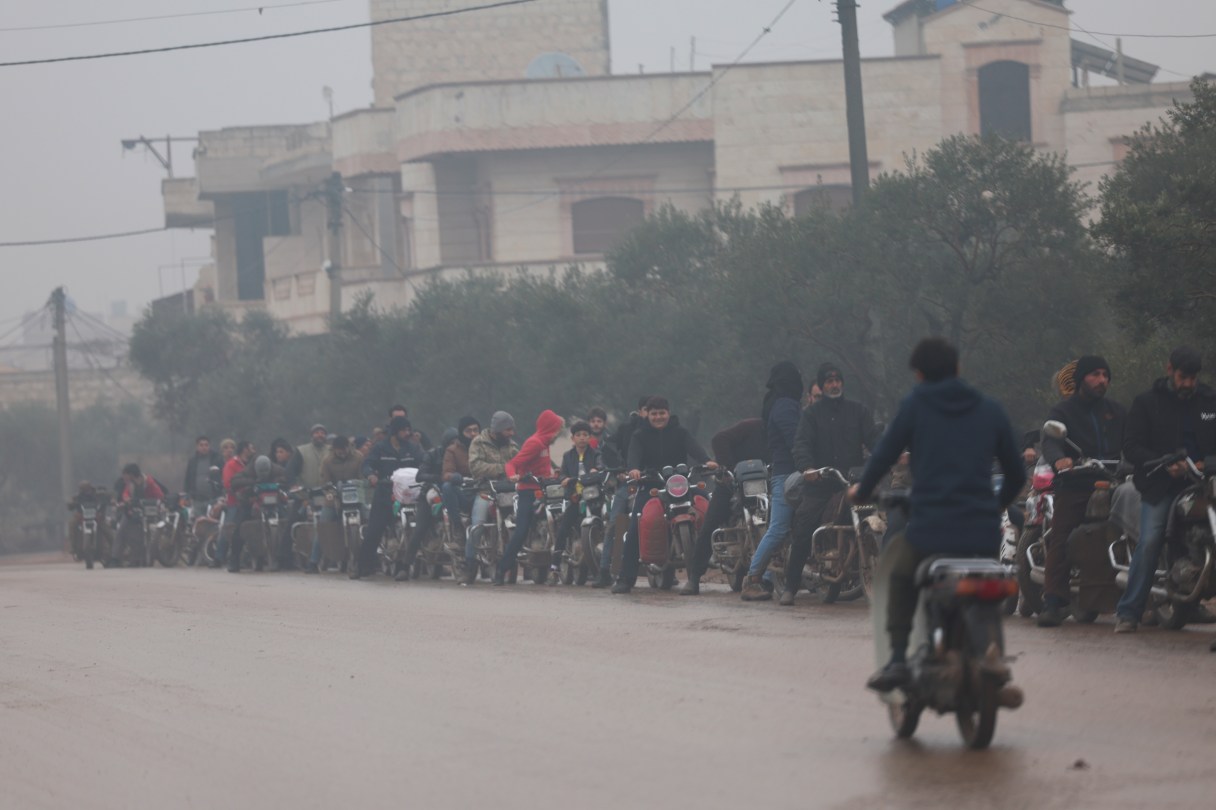
People queue up for gasoline in Idlib province, Syria, Sunday Dec. 15, 2022. Syria's economy has hit its lowest point since the country's civil war began nearly 12 years ago, with severe fuel shortages in both government and rebel-held areas, spiraling inflation and the Syrian currency hitting an all-time low on the black market. (AP Photo/Ghaith Alsayed)
People queue up for gasoline in Idlib province, Syria, Sunday Dec. 15, 2022. Syria's economy has hit its lowest point since the country's civil war began nearly 12 years ago, with severe fuel shortages in both government and rebel-held areas, spiraling inflation and the Syrian currency hitting an all-time low on the black market. (AP Photo/Ghaith Alsayed) People queue up for gasoline in Idlib province, Syria, Sunday Dec. 15, 2022. Syria's economy has hit its lowest point since the country's civil war began nearly 12 years ago, with severe fuel shortages in both government and rebel-held areas, spiraling inflation and the Syrian currency hitting an all-time low on the black market. (AP Photo/Ghaith Alsayed)


BEIRUT (AP) — Syria’s economy has hit its lowest point since the start of its civil war nearly 12 years ago, with spiraling inflation, a currency plunge and severe fuel shortages in both government-run and rebel-held areas.

Life in Damascus has come to a near standstill. Streets are almost empty of cars, households receive a few hours a day of electricity at best, and the cost of food and other essentials has skyrocketed.

The increasing economic pain has led to protests in areas controlled by the government of President Bashar Assad, sometimes met by a violent response.

Here’s a look at why the economic situation has gotten so dire and at the potential implications.