
Wednesday, November 11, 2026Nov 11

First over-the-counter birth control pill gets FDA approval

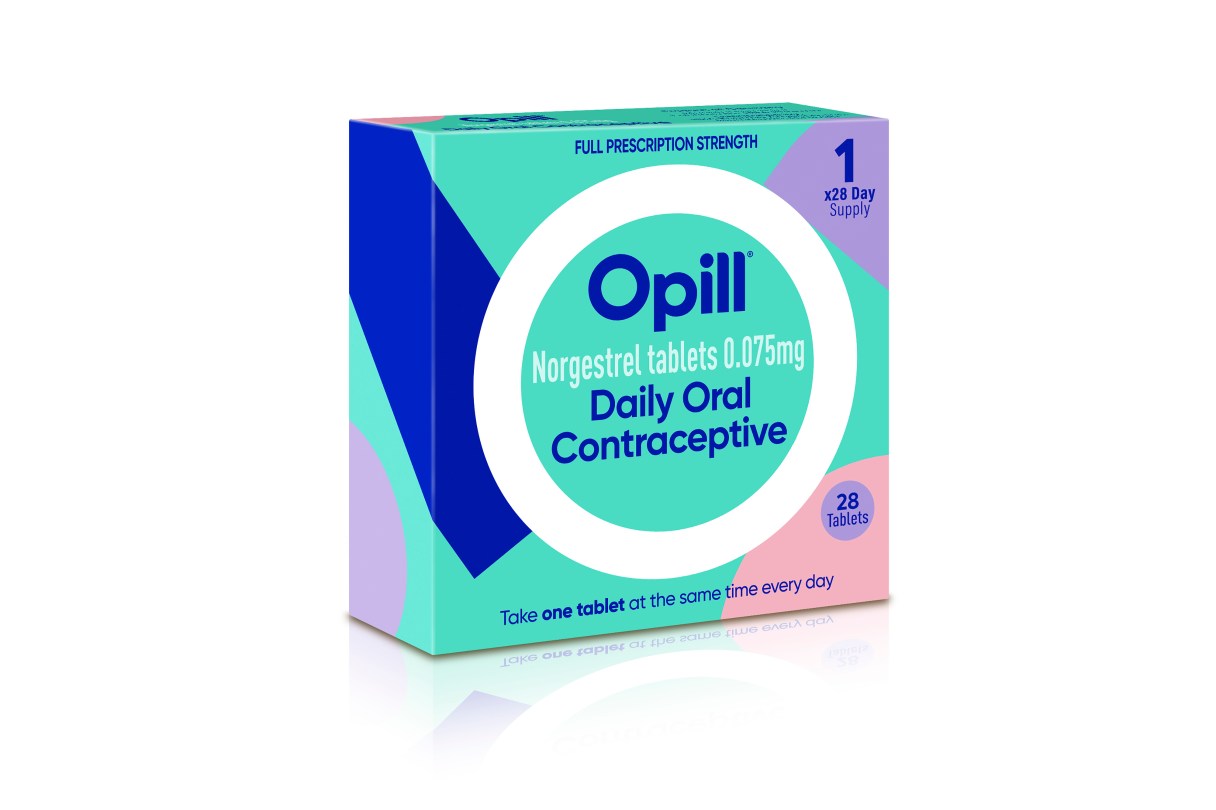
FILE - This illustration provided by Perrigo in May 2023, depicts proposed packaging for the company's birth control medication Opill. U.S. officials have approved the first over-the-counter birth control pill, a major change that will broaden access for women and teenagers. The Food and Drug Administration decision on Thursday, July 13, 2023 means drugmaker Perrigo can sell its once-a-day Opill without a prescription. (Perrigo via AP, File)
FILE - This illustration provided by Perrigo in May 2023, depicts proposed packaging for the company's birth control medication Opill. U.S. officials have approved the first over-the-counter birth control pill, a major change that will broaden access for women and teenagers. The Food and Drug Administration decision on Thursday, July 13, 2023 means drugmaker Perrigo can sell its once-a-day Opill without a prescription. (Perrigo via AP, File) FILE - This illustration provided by Perrigo in May 2023, depicts proposed packaging for the company's birth control medication Opill. U.S. officials have approved the first over-the-counter birth control pill, a major change that will broaden access for women and teenagers. The Food and Drug Administration decision on Thursday, July 13, 2023 means drugmaker Perrigo can sell its once-a-day Opill without a prescription. (Perrigo via AP, File)


WASHINGTON (AP) — U.S. officials have approved the first over-the-counter birth control pill, which will let American women and girls buy contraceptive medication from the same aisle as aspirin and eyedrops.

The Food and Drug Administration said Thursday it cleared Perrigo’s once-a-day Opill to be sold without a prescription, making it the first such medication to be moved out from behind the pharmacy counter. The company won’t start shipping the pill until early next year, and there will be no age restrictions on sales.

Hormone-based pills have long been the most common form of birth control in the U.S., used by tens of millions of women since the 1960s. Until now, all of them required a prescription.

Medical societies and women’s health groups have pushed for wider access, noting that an estimated 45% of the 6 million annual pregnancies in the U.S. are unintended. Teens and girls, women of color and those with low incomes report greater hurdles in getting prescriptions and picking them up.