
Wednesday, November 11, 2026Nov 11

Against the odds, world’s most endangered porpoise resists extinction in Mexico’s Gulf of California

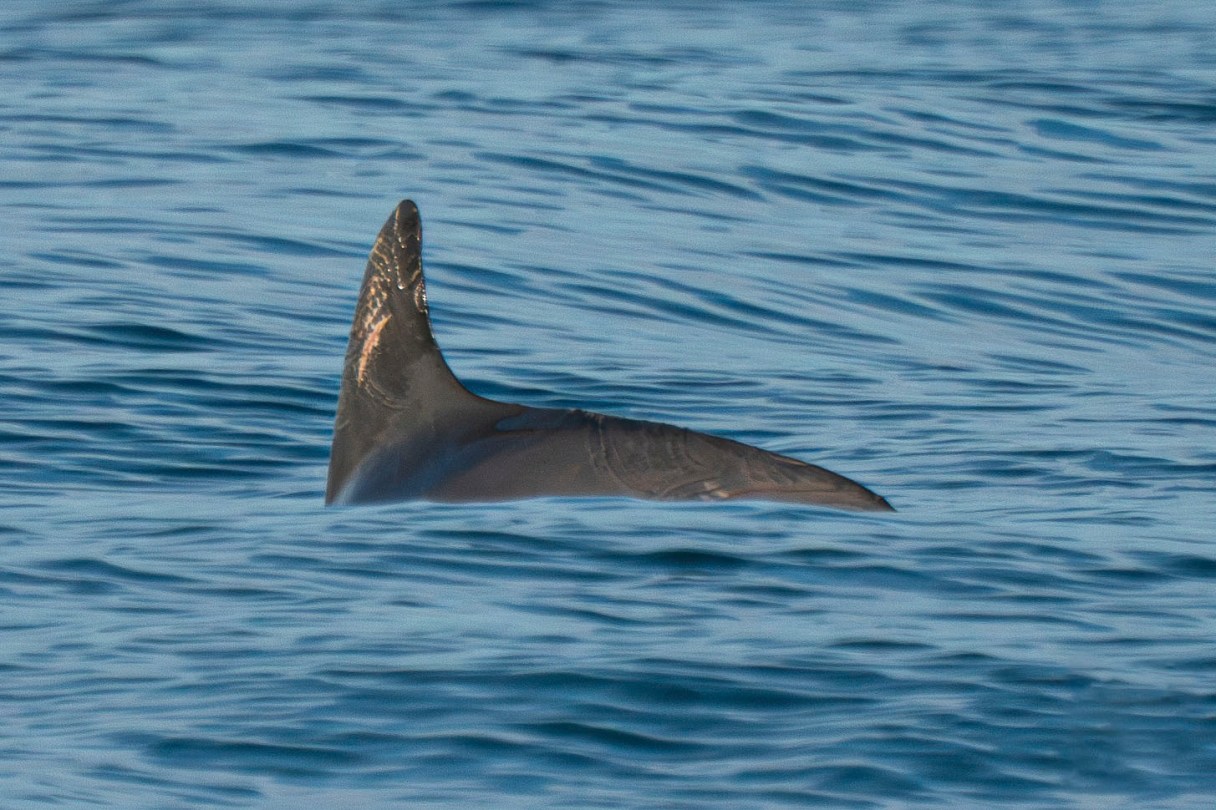
In this photo courtesy of the Sea Shepherd Conservation Society, a vaquita marina swims in the Biosphere Reserve of the Upper Gulf of California and Colorado River Delta, in the Sea of Cortez, Mexico, May 20, 2023. Experts on the expedition estimate they saw between 10 and 13 of the porpoises during nearly two weeks of sailing in May 2023 in the Gulf of California. (Sea Shepherd Conservation Society via AP)
In this photo courtesy of the Sea Shepherd Conservation Society, a vaquita marina swims in the Biosphere Reserve of the Upper Gulf of California and Colorado River Delta, in the Sea of Cortez, Mexico, May 20, 2023. Experts on the expedition estimate they saw between 10 and 13 of the porpoises during nearly two weeks of sailing in May 2023 in the Gulf of California. (Sea Shepherd Conservation Society via AP) In this photo courtesy of the Sea Shepherd Conservation Society, a vaquita marina swims in the Biosphere Reserve of the Upper Gulf of California and Colorado River Delta, in the Sea of Cortez, Mexico, May 20, 2023. Experts on the expedition estimate they saw between 10 and 13 of the porpoises during nearly two weeks of sailing in May 2023 in the Gulf of California. (Sea Shepherd Conservation Society via AP)

MEXICO CITY (AP) — Against all odds, the remaining handful of Mexico’s endangered vaquita porpoises are holding on in their only habitat in the Gulf of California, according to a new research expedition report released Wednesday.

Experts on the expedition estimate they saw from 10 to 13 of the tiny, shy, elusive porpoises during nearly two weeks of sailing in the gulf last month.

That is a similar number to those seen in the last such expedition in 2021. Because they are so small and elusive, many of the sightings through powerful binoculars are categorized as probable or likely. The animals also emit “clicks” that can be heard through acoustic monitoring devices.

Experts from Mexico, the conservation group Sea Shepherd and the U.S. National Oceanic and Atmospheric Administration said they sighted at least one and probably two calves, as immature vaquitas are known, raising hopes for the survival of the world’s most endangered marine mammal.

They said there may be more vaquitas out there, since the voyage covered only part of the creature’s habitat in the gulf, also known as the Sea of Cortez. It lives nowhere else, and the species cannot be captured, held or bred in captivity.