
Thursday, October 29, 2026Oct 29

This story is free to read.

Smugglers are steering migrants into the remote Arizona desert, posing new Border Patrol challenges

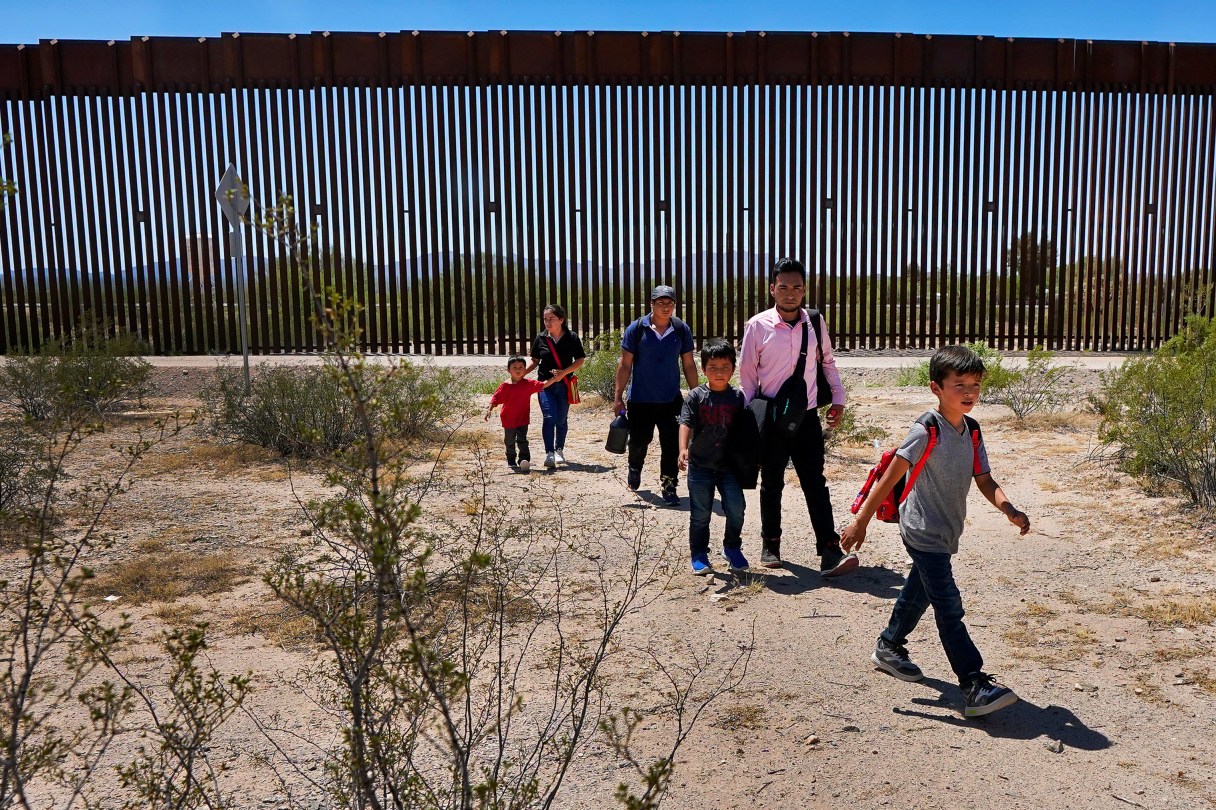
A family of five claiming to be from Guatemala and a man stating he was from Peru, in pink shirt, walk through the desert after crossing the border wall in the Tucson Sector of the U.S.-Mexico border, Tuesday, Aug. 29, 2023, in Organ Pipe Cactus National Monument near Lukeville, Ariz. U.S. Customs and Border Protection reports that the Tucson Sector is the busiest area of the border since 2008 due to smugglers abruptly steering migrants from Africa, Asia and other places through some of the Arizona borderlands' most desolate and dangerous areas. (AP Photo/Matt York)
A family of five claiming to be from Guatemala and a man stating he was from Peru, in pink shirt, walk through the desert after crossing the border wall in the Tucson Sector of the U.S.-Mexico border, Tuesday, Aug. 29, 2023, in Organ Pipe Cactus National Monument near Lukeville, Ariz. U.S. Customs and Border Protection reports that the Tucson Sector is the busiest area of the border since 2008 due to smugglers abruptly steering migrants from Africa, Asia and other places through some of the Arizona borderlands' most desolate and dangerous areas. (AP Photo/Matt York) A family of five claiming to be from Guatemala and a man stating he was from Peru, in pink shirt, walk through the desert after crossing the border wall in the Tucson Sector of the U.S.-Mexico border, Tuesday, Aug. 29, 2023, in Organ Pipe Cactus National Monument near Lukeville, Ariz. U.S. Customs and Border Protection reports that the Tucson Sector is the busiest area of the border since 2008 due to smugglers abruptly steering migrants from Africa, Asia and other places through some of the Arizona borderlands' most desolate and dangerous areas. (AP Photo/Matt York)

ORGAN PIPE CACTUS NATIONAL MONUMENT, Ariz. (AP) — Border Patrol agents ordered the young Senegalese men to wait in the scant shade of desert scrub brush while they loaded a more vulnerable group of migrants — a family with three young children from India — into a white van for the short trip in triple-degree heat to a canopied field intake center.

The migrants were among hundreds who have been trudging this summer in the scorching sun and through open storm gates in the border wall to U.S. soil, following a remote corridor in the sprawling Organ Pipe Cactus National Monument that’s among the most desolate and dangerous areas in the Arizona borderlands. Temperatures hit 118 degrees Fahrenheit (47.7 degrees Celsius) just as smugglers abruptly began steering migrants from Africa and Asia here to request asylum.

Suddenly, the Border Patrol’s Tucson Sector, which oversees the area, in July became the busiest sector along the U.S-Mexico border for the first time since 2008. It’s seen migrants from faraway countries like Pakistan, China and Mauritania, where social media is drawing young people to the new route to the border that begins in Nicaragua. There are large numbers from Ecuador, Bangladesh and Egypt, as well as more traditional border crossers from Mexico and Central America.

“Right now we are encountering people from all over the world,” said Border Patrol Deputy Chief Justin De La Torre, of the Tucson Sector. “It has been a real emergency here, a real trying situation.”

The patrol is calling on other agencies, including Immigration and Customs Enforcement and the Transportation Security Administration, for help in getting migrants “out of the elements and into our processing centers as quickly as possible,” De La Torre said.