
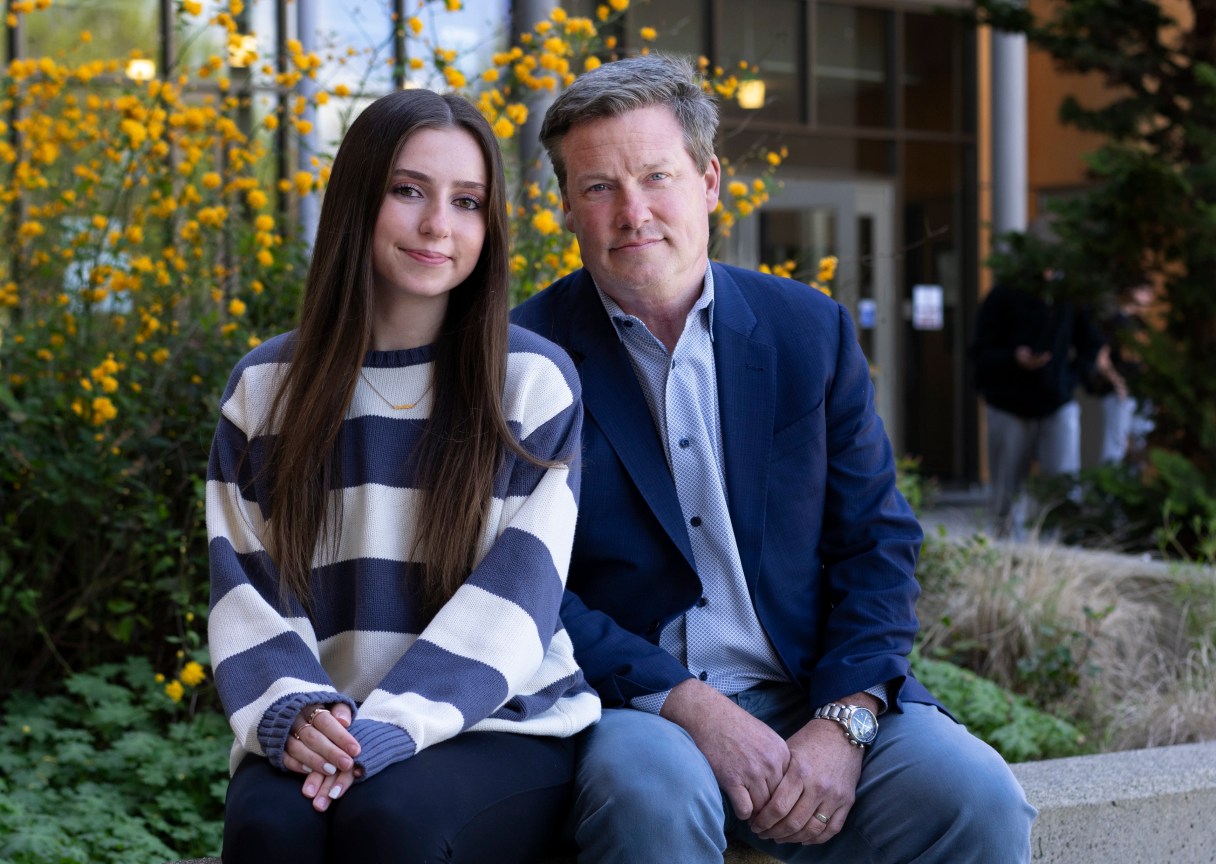
Caroline Mullet, a ninth grader at Issaquah High School near Seattle, went to her first homecoming dance last fall, a James Bond-themed bash with blackjack tables attended by hundreds of girls dressed up in party frocks.
A few weeks later, she and other female students learned that a male classmate was circulating fake nude images of girls who had attended the dance, sexually explicit pictures that he had fabricated using an artificial intelligence app designed to automatically “strip” clothed photos of real girls and women.
Mullet, 15, alerted her father, Mark, a Democratic Washington state senator. Although she was not among the girls in the pictures, she asked if something could be done to help her friends, who felt “extremely uncomfortable” that male classmates had seen simulated nude images of them. Soon, Mark Mullet and a colleague in the state House proposed legislation to prohibit the sharing of AI-generated sexuality explicit depictions of real minors.
“I hate the idea that I should have to worry about this happening again to any of my female friends, my sisters or even myself,” Caroline Mullet told state lawmakers during a hearing on the bill in January.
The state Legislature passed the bill without opposition. Gov. Jay Inslee, a Democrat, signed it last month.