
Thursday, October 29, 2026Oct 29

This story is free to read.

How Columbia University’s complex history with the student protest movement echoes into today

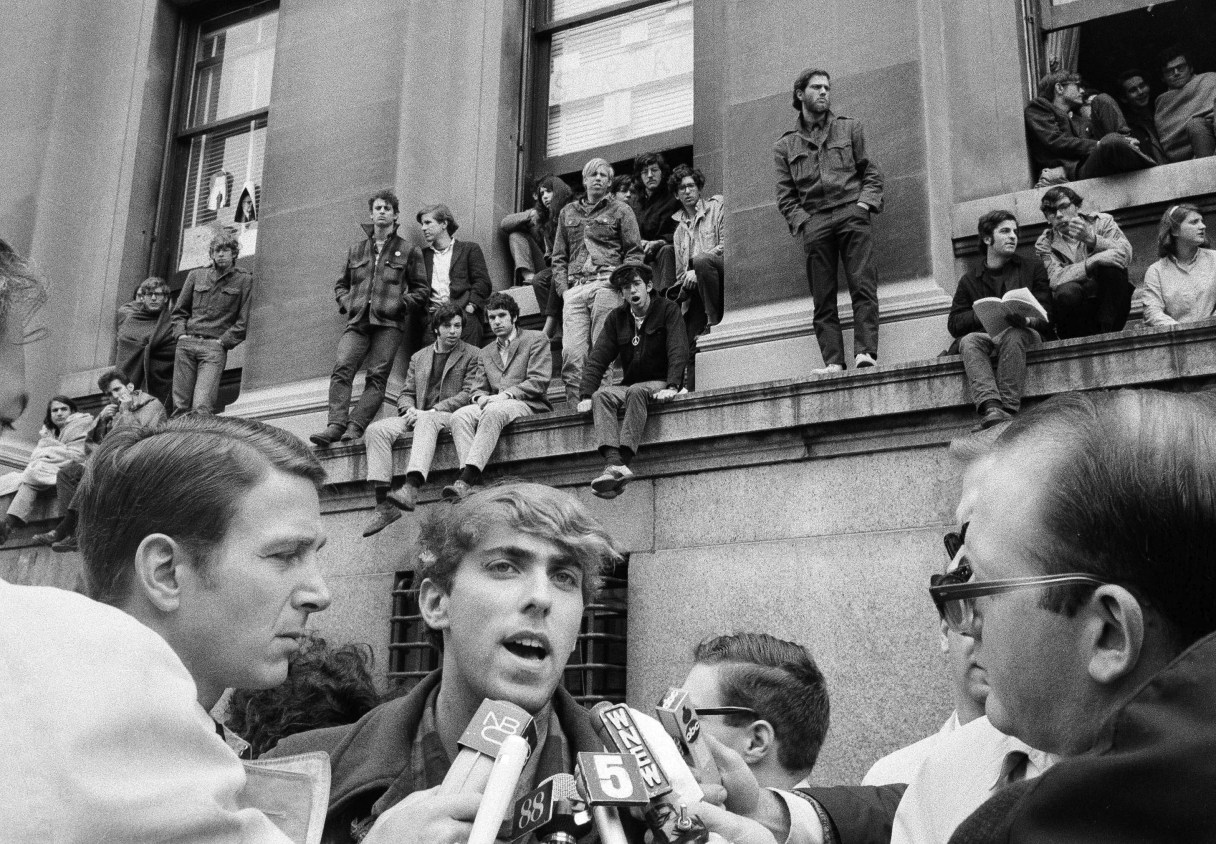
FILE - Mark Rudd, a leader of the student protest at Columbia University in New York City, is interviewed outside Low Memorial Library, background, April 25, 1968, which has been occupied by students since the previous day. Rudd said the purpose of the protest was to "hit at" what he claimed was the university's policy of "racism and support for imperialism." (AP Photo/File)
FILE - Mark Rudd, a leader of the student protest at Columbia University in New York City, is interviewed outside Low Memorial Library, background, April 25, 1968, which has been occupied by students since the previous day. Rudd said the purpose of the protest was to "hit at" what he claimed was the university's policy of "racism and support for imperialism." (AP Photo/File) FILE - Mark Rudd, a leader of the student protest at Columbia University in New York City, is interviewed outside Low Memorial Library, background, April 25, 1968, which has been occupied by students since the previous day. Rudd said the purpose of the protest was to "hit at" what he claimed was the university's policy of "racism and support for imperialism." (AP Photo/File)


NEW YORK (AP) — College students taking up space and making demands for change. University administrators facing pressure to get things back under control. Police brought in to make arrests. At other schools: students taking note, and sometimes taking action.

Columbia University, 2024. And Columbia University, 1968.

The pro-Palestinian demonstration and subsequent arrests at Columbia that have set off similar protests at campuses nationwide these days and even internationally aren’t new ground for students at the Ivy League school. They’re the latest in a Columbia tradition that dates back more than five decades — one that also helped provide inspiration for the anti-apartheid protest of the 1980s, the Iraq war protests, and more.

“When you’re going to Columbia, you know you’re going to an institution which has an honored place in the history of American protest,” said Mark Naison, professor of history and African & African American Studies at Fordham University and himself a participant in the 1968 demonstrations. “Whenever there is a movement, you know Columbia is going to be right there.”