
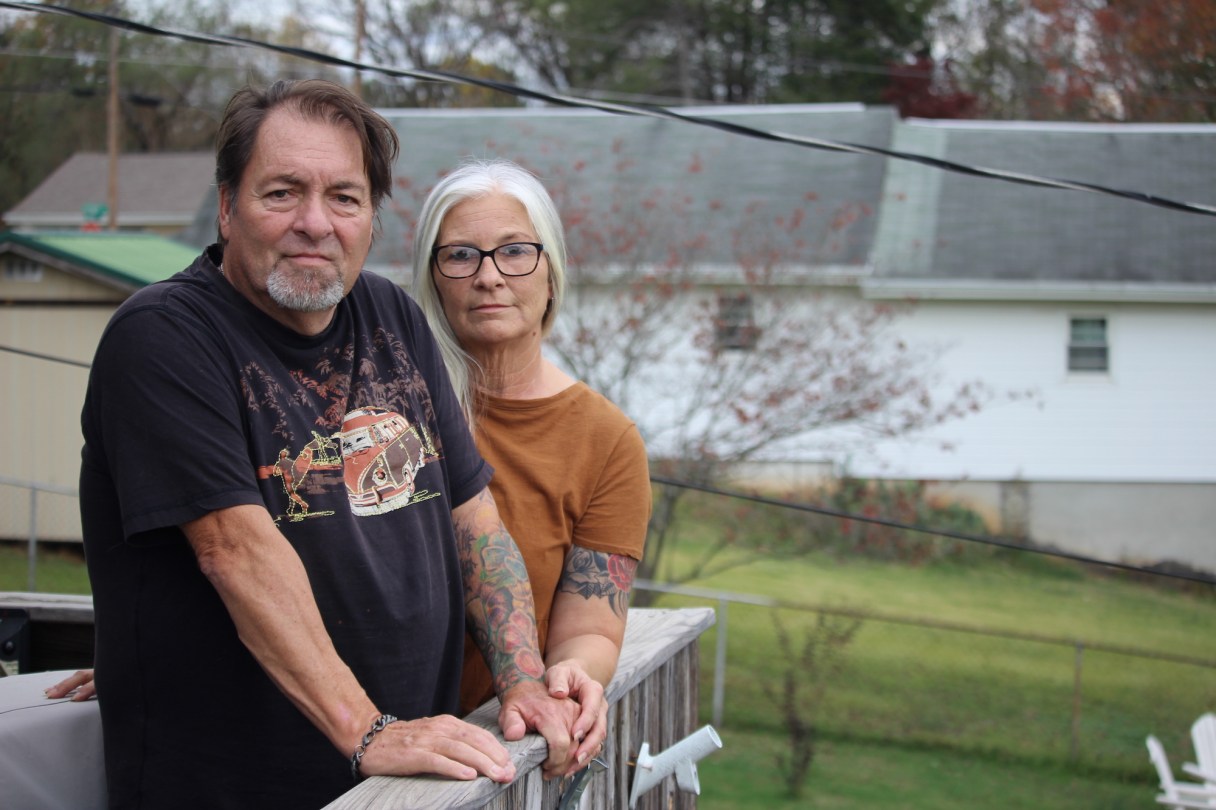
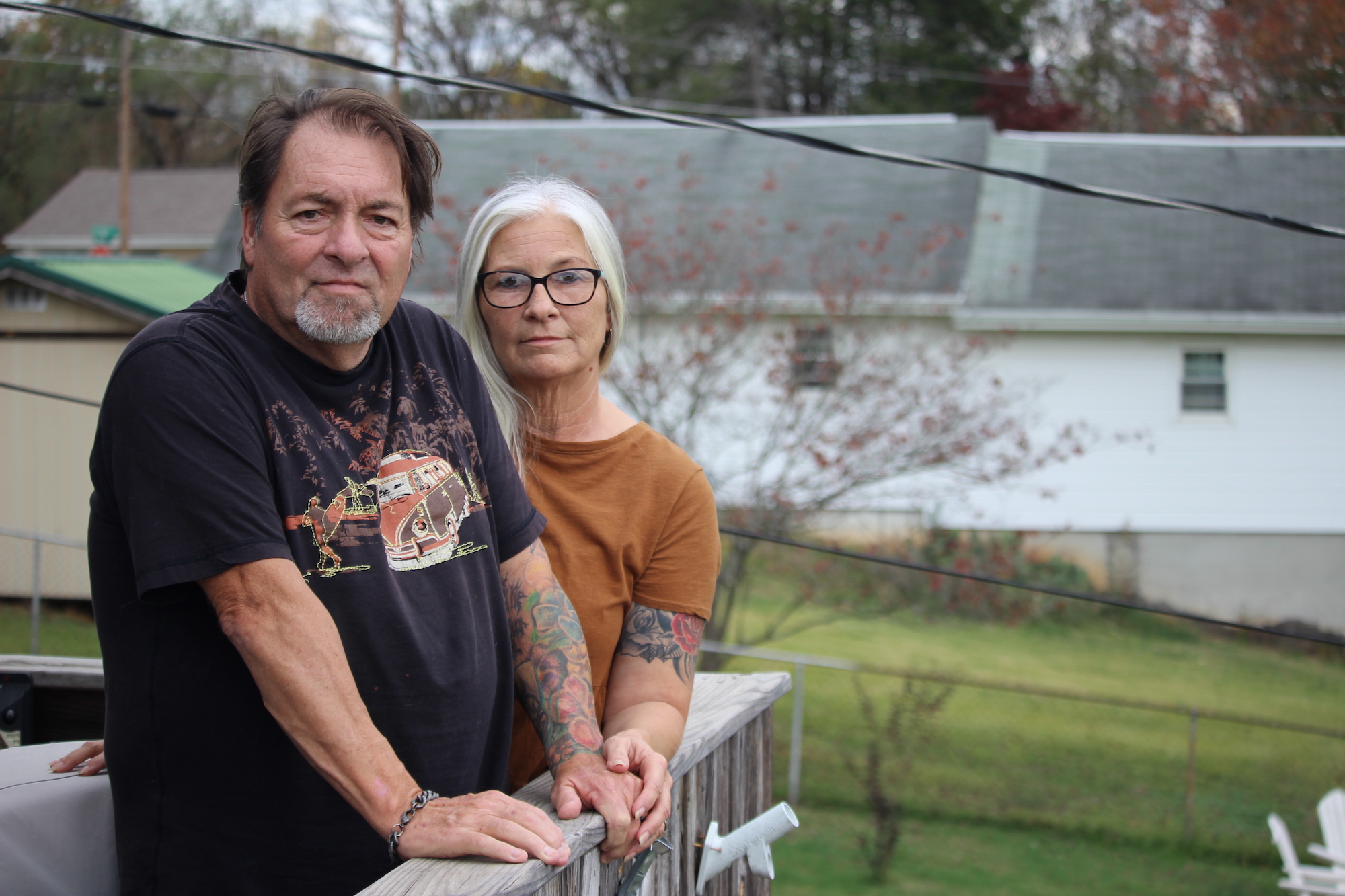
KINGSPORT, Tenn. — Jerry Qualls had a heart attack in 2022 and was rushed by ambulance to Holston Valley Medical Center, where he was hospitalized for a week and kept alive by a ventilator and blood pump, according to his medical records.
His wife, Katherine Qualls, said his doctors offered little hope. In an interview and a written complaint to the Tennessee government, she said doctors at Holston Valley told her that her husband would not qualify for a heart transplant and shouldn’t be expected to recover.
Defiant, she insisted he be transferred hours away to a hospital in Nashville. Within days of leaving Holston Valley, Jerry Qualls was awake and sitting upright, his wife said, and he ultimately received a lifesaving heart transplant.
“How many families don’t know how to get a transfer and their loved one dies?” Katherine Qualls wrote in her complaint to the state. “My husband would have been dead within a few days if I didn’t get him out when I did.”

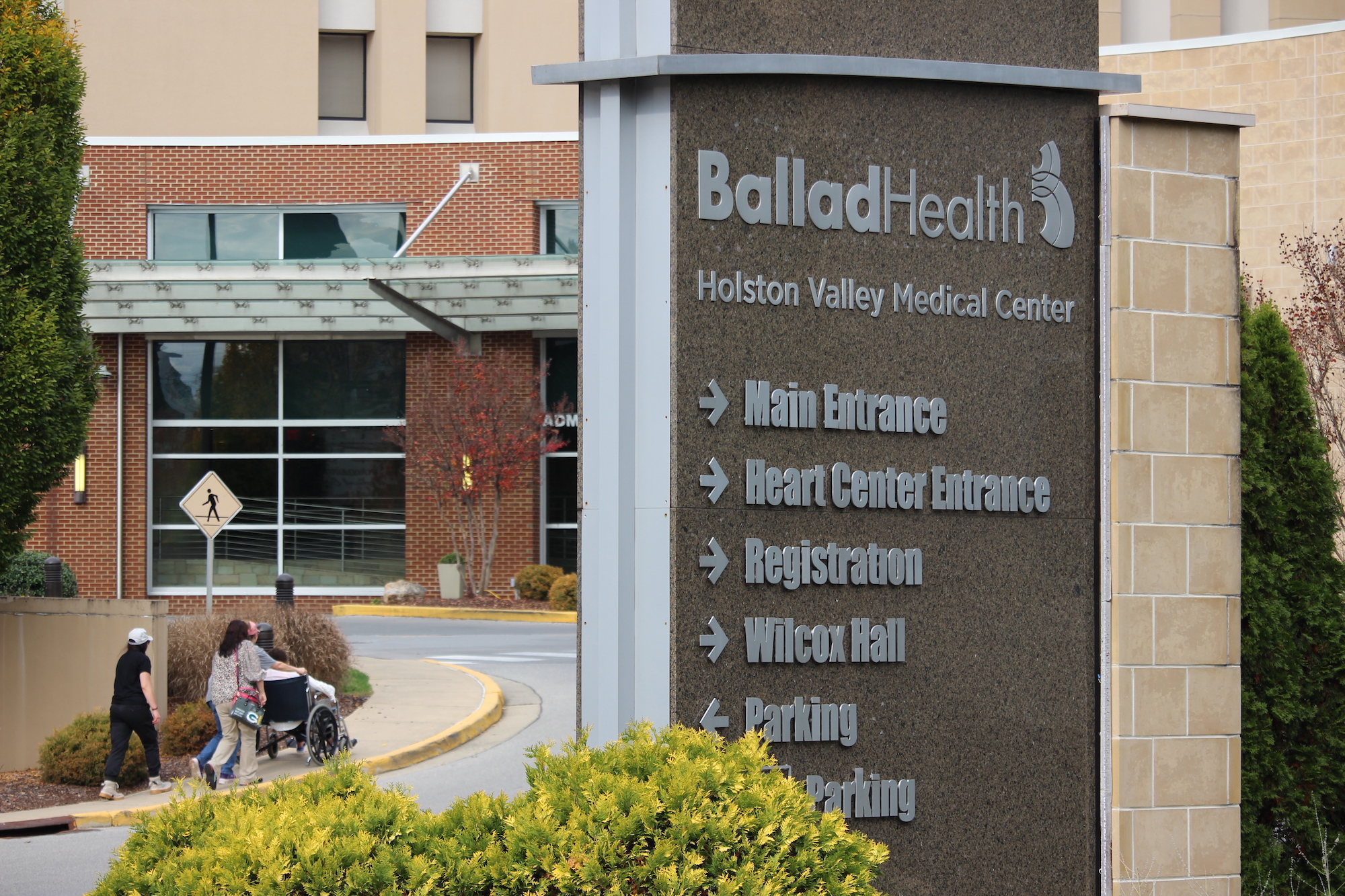

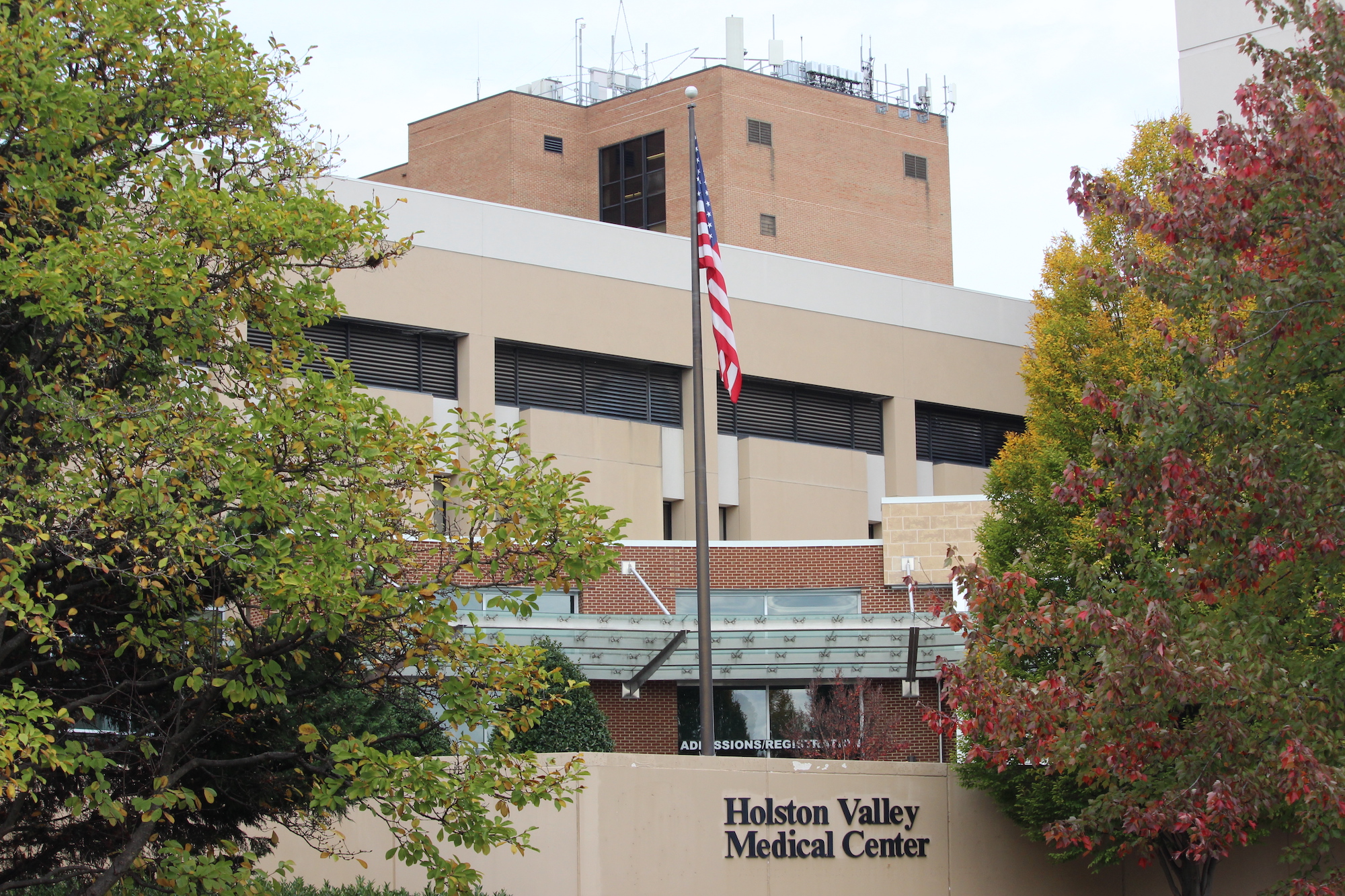

Holston Valley Medical Center is a flagship of Ballad Health, a 20-hospital system in northeastern Tennessee and southwestern Virginia that is the only option for hospital care in a large swath of Appalachia. Ballad formed six years ago when lawmakers in both states, in an effort to prevent hospital closures, waived federal antitrust laws so two rival health systems could merge. The merger created the largest state-sanctioned hospital monopoly in the nation.