
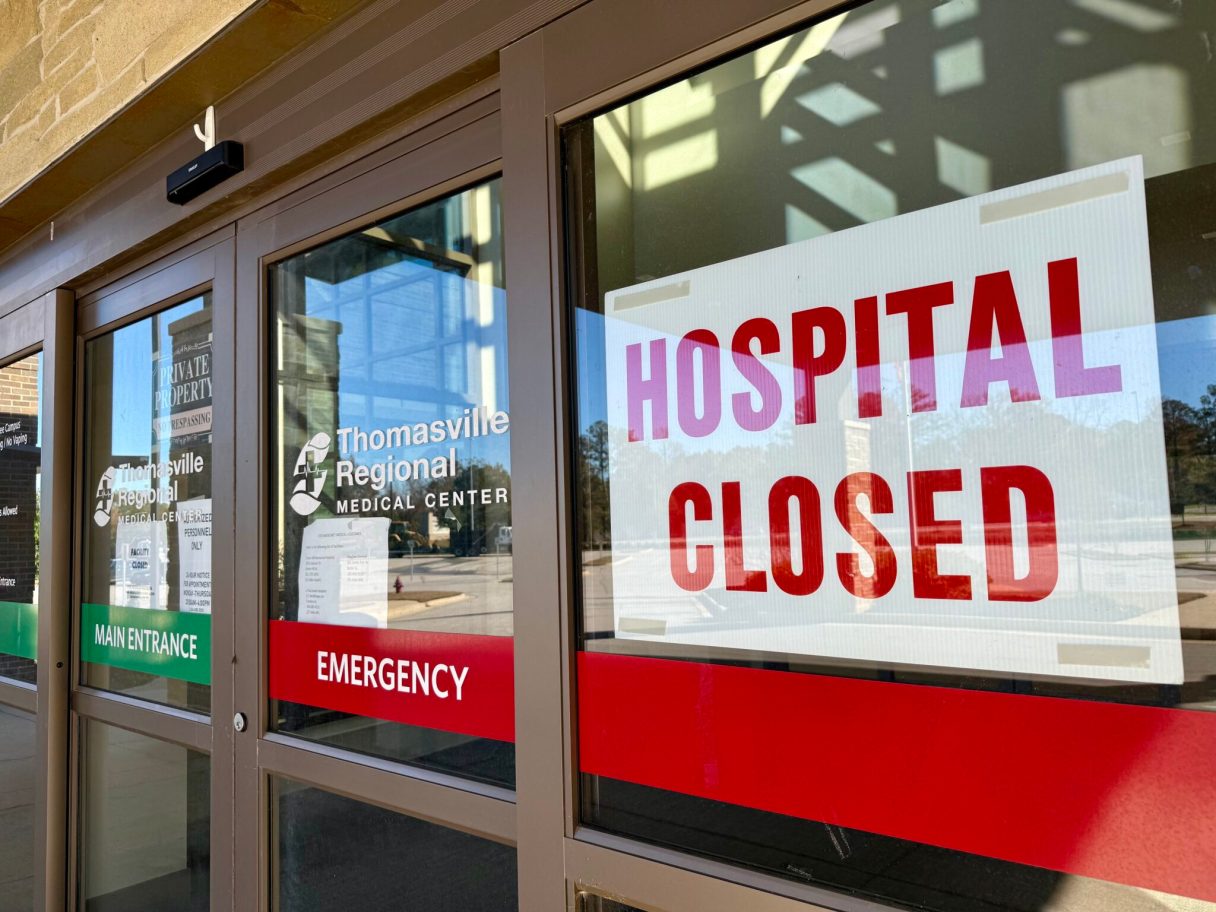
THOMASVILLE, Ala. — It was a moonshot effort for a small Southern town: Open a brand-new rural hospital in the poorest region of one of the poorest states in the nation.
Thomasville, which has fewer than 4,000 residents, sits in the middle of Alabama’s Black Belt, so named for its rich, black soil. The rural, southern swath of Alabama is steeped in history and culture, and home to the most economically disadvantaged counties in the state.
The nearest interstate to Thomasville is almost 70 miles away. Harper Lee’s 1960 book “To Kill a Mockingbird” was inspired by Monroeville, one county over. To the northeast, across the Alabama River, the famed quilters of Gee’s Bend craft their works of art. Roads are lined with pine forests and farmland.
Thomasville’s energetic, gravel-voiced mayor is a man named Sheldon Day. He’s been mayor for the past 28 years, and he’s passionate about health care. As rural hospitals around the country faced declining reimbursements, workforce shortages and rising costs, Day and other Thomasville leaders laid careful plans to open a hospital that would provide the care that was disappearing in communities like theirs.
They partnered with a Birmingham investor who believed in the project. They secured millions in federal grants and loans. Residents voted for a half-cent sales tax to support it.