
The federal government ramped up the printing presses during the pandemic, throwing cash around like the proverbial drunken sailor. While much of that aid helped businesses and individuals navigate unprecedented shutdowns, a significant portion of the money went up in smoke.
An Associated Press analysis last year concluded that at least $123 billion in COVID relief was “wasted or misspent” while “fraudsters potentially stole more than $280 billion.” No doubt the numbers are higher today.
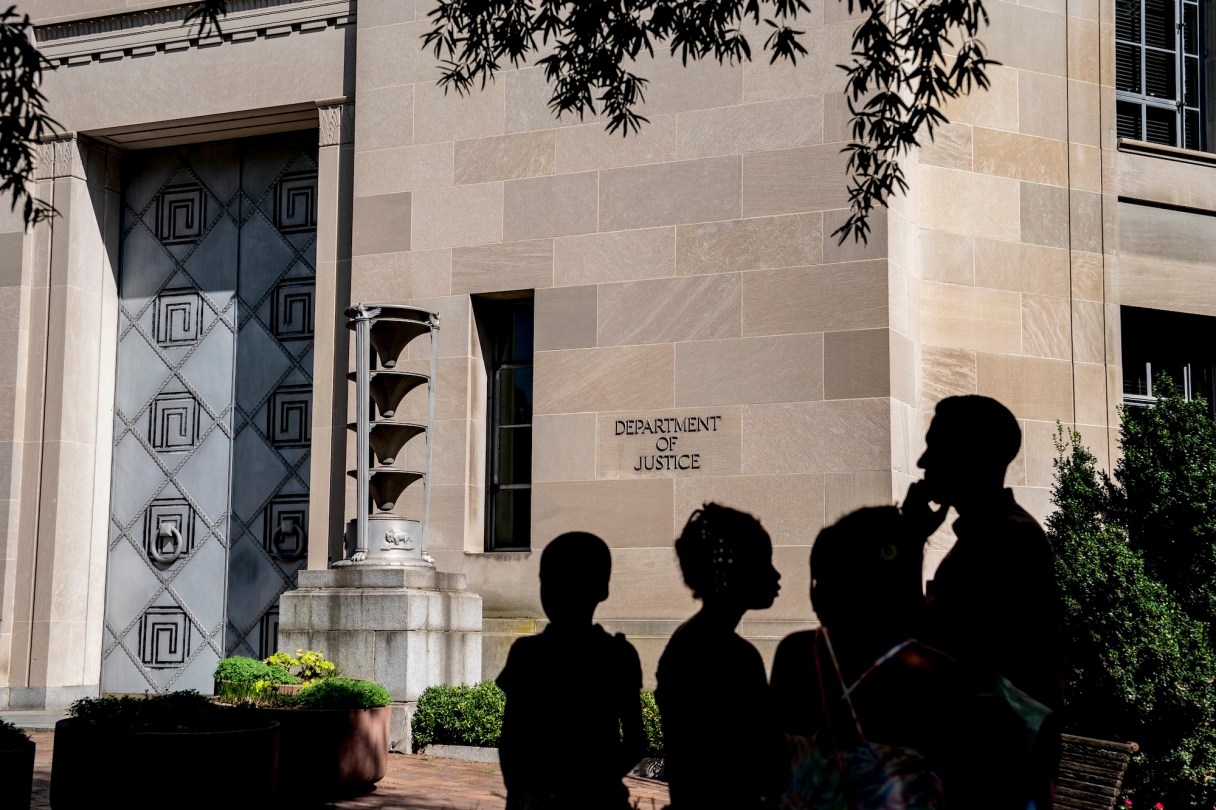
Federal prosecutors have brought scores of actions against the crooks. In August, the Justice Department said it had filed charges against defendants “for offenses related to (more than) $836 million in alleged COVID-19 fraud.” Yet Congress now sits idly by as criminals loot programs passed as pandemic relief even though the crisis has long since passed.
One of the COVID-era measures federal lawmakers created is the Employee Retention Credit, intended to provide tax breaks to companies that continued to pay their employees during the pandemic. The measure was projected to cost $55 billion, but has so far cost four times that amount (and rising), according to The Wall Street Journal. Another estimate puts the total cost at $550 billion. In addition, the IRS is investigating fraudulent claims in the billions of dollars.
The Employee Retention Credit was catnip to con artists. Bogus firms sprung up offering to help businesses claim the credit for a percentage of the take (you may have heard them in TV or radio ads). The IRS issued warnings to business filers, urging them to use only reliable tax professionals rather than “a promoter or marketer hustling to get a hefty contingency fee.”