
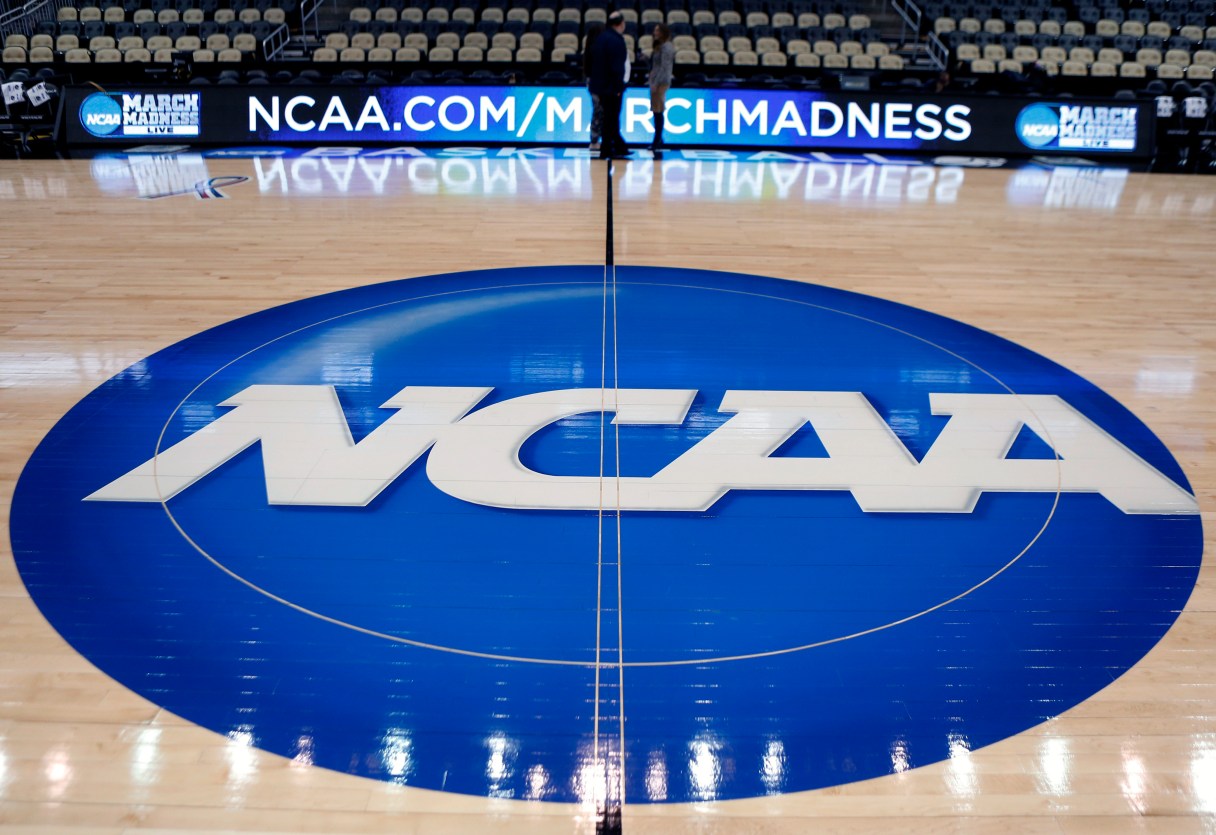
Tracking the changes upending college sports can be as frenetic as flipping between all the games going down over the first week of March Madness. Ultimately, those changes could impact what America’s favorite basketball tournament looks like in the future — or whether it exists at all.
News about “pay for play” in college sports gushes from a veritable firehose these days. Whether it’s the Dartmouth basketball team looking to unionize, a judge undercutting the NCAA’s ability to regulate payments to athletes or yet another bout of conference realignment, the stakes are clear: Everything in college sports is open for discussion, interpretation and adjustment.
That includes the industry’s most hallowed tradition, the NCAA basketball tournaments, which begin this week and will stretch from coast to coast. The bottom line behind it all is money.
“There’s no pretense anymore,” said Rick Pitino, the St. John’s coach who recently made news by proposing a salary cap and a two-year contract for players who negotiate name, image and likeness sponsorships. “Now we’re dealing with professional athletes in the guise of NIL. I’ve tried to think of solutions and ways around it. But any solutions, the courts will just obliterate it.”
Pitino sees the courts reshaping and redefining college sports in much more aggressive fashion than what he describes as a largely hapless NCAA, an organization he has tangled with repeatedly over the years.