
(Editor’s note: First in a series)
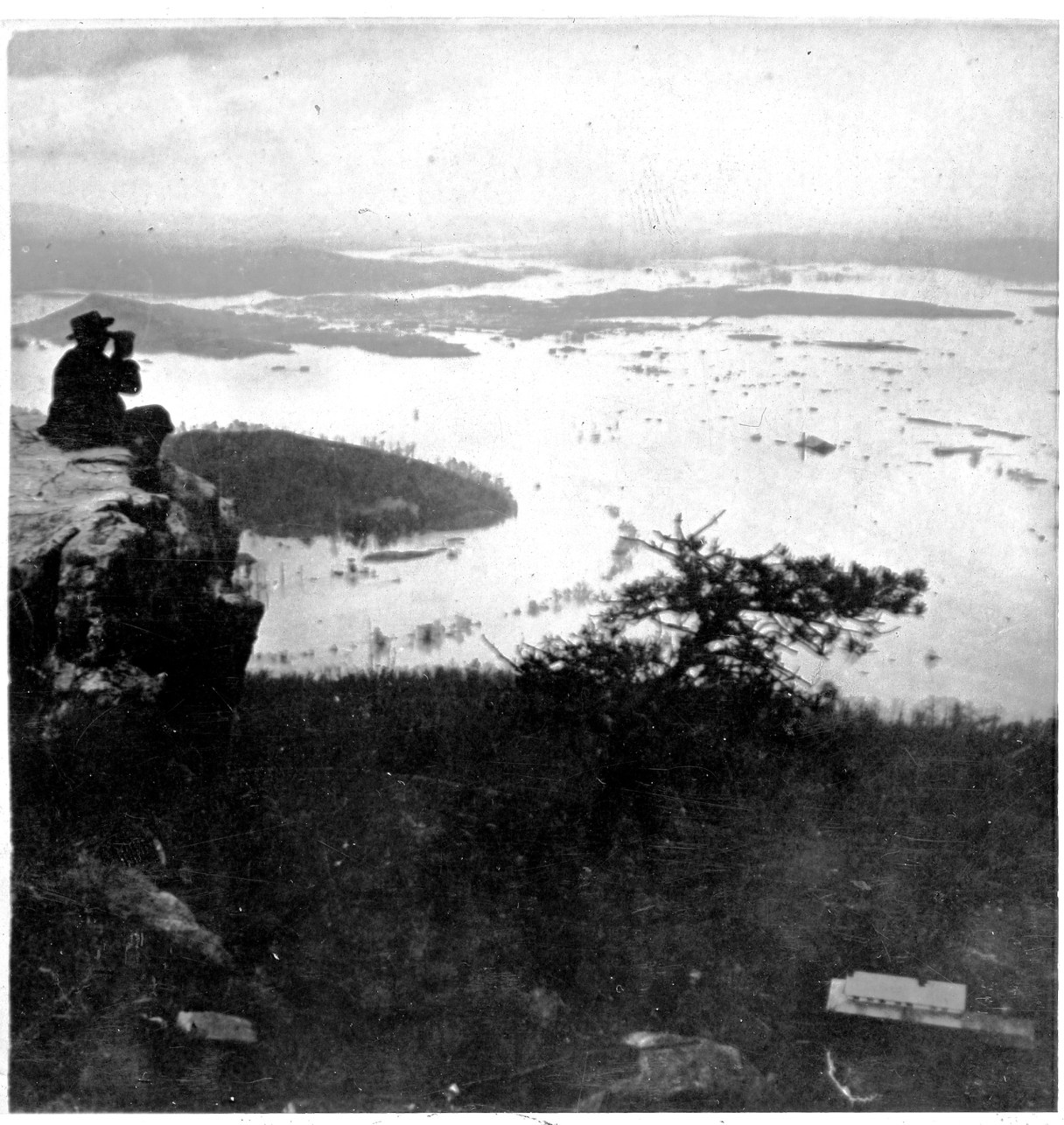
The Chattanooga Weekly American Union on March 14, 1867, announced the flooding of the Tennessee River: “THE STORM – WIDESPREAD DESTRUCTION – Bridges in all Directions Swept Away – Railroads Blockaded – No Mails from any Direction.” With those five phrases, Chattanoogans, already aware of the conditions in their own neighborhoods, learned that flooding had ravaged the city from its westernmost point along the river to its east beyond the creeks that flowed into the waterway.
The news reports over the next few days described the devastation as readers learned that the lands “between the Ohio River and Atlanta and from Richmond to the Mississippi” had been inundated by the heavy rain that had turned every creek into “heroine rivers” and had caused the Tennessee River to be “styled” as a lake. Most bridges and trestle-works had been destroyed; roads were unpassable; and numerous families were stranded with their homes swamped as the waters continued to rise.
Many were forced to abandon their personal possessions and flee to higher ground, hoping to return once the waters receded. The only positive news, which came from churches and shelter areas, noted that standing telegraph lines still enabled communication with “outside barbarians.” The reporter wrote that after the end of the Civil War at Appomattox, Chattanooga had endured enough “attack” for a lifetime.
The most recognizable bridge in the Chattanooga area, the Whiteside Bridge (at Running Water) that carried the Nashville and Chattanooga Railroad trains, was washed away. While it was a loss, Chattanooga’s leaders applauded that the company would now be forced to erect a “safe and substantial” structure. Complaints about the bridge’s inadequacies had been numerous since 1863. The company’s railroad agent, W.J. Pryor, left immediately by boat to inspect all area bridges and telegraphed that measurements for replacing the Whiteside Bridge had been sent to headquarters. Additionally, the bridge at Loudon – a Howe Truss – and the passenger bridge at Strawberry Plains had been destroyed as had the closest structure on the East Tennessee and Virginia Railroad line.