
Thursday, October 29, 2026Oct 29

This story is free to read.

Alleged plots against US campaign are only the latest examples of Iran targeting adversaries

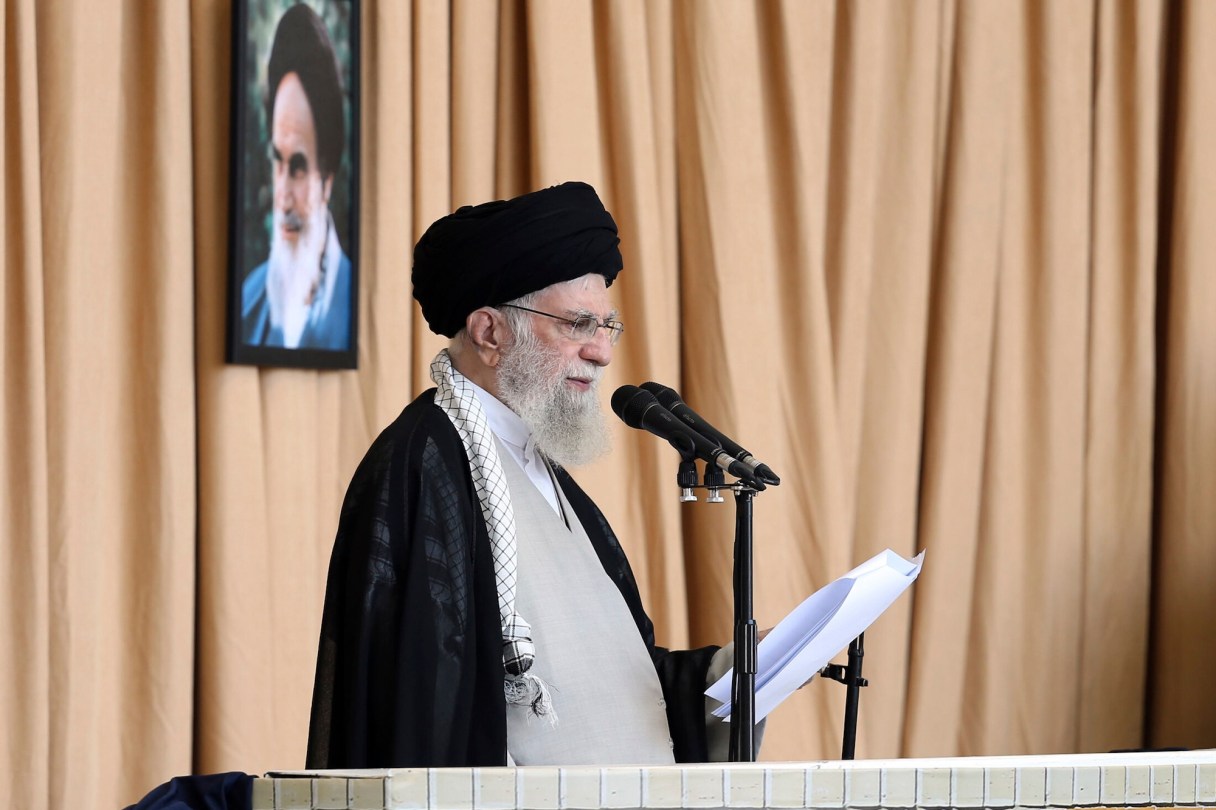
In this photo released by the official website of the office of the Iranian supreme leader, Supreme Leader Ayatollah Ali Khamenei delivers his sermon during Friday prayers at Imam Khomeini grand mosque, in Tehran, Iran, Friday, Oct. 4, 2024. (Office of the Iranian Supreme Leader via AP)
In this photo released by the official website of the office of the Iranian supreme leader, Supreme Leader Ayatollah Ali Khamenei delivers his sermon during Friday prayers at Imam Khomeini grand mosque, in Tehran, Iran, Friday, Oct. 4, 2024. (Office of the Iranian Supreme Leader via AP) In this photo released by the official website of the office of the Iranian supreme leader, Supreme Leader Ayatollah Ali Khamenei delivers his sermon during Friday prayers at Imam Khomeini grand mosque, in Tehran, Iran, Friday, Oct. 4, 2024. (Office of the Iranian Supreme Leader via AP)

DUBAI, United Arab Emirates (AP) — Iran has emerged as a twofold concern for the United States as it nears the end of the presidential campaign.

Prosecutors allege Tehran tried to hack figures associated with the election, stealing information from former President Donald Trump’s campaign. And U.S. officials have accused it of plotting to kill Trump and other ex-officials.

For Iran, assassination plots and hacking aren’t new strategies.

Iran saw the value and the danger of hacking in the early 2000s, when the Stuxnet virus, believed to have been deployed by Israel and the U.S., tried to damage Iran’s nuclear program. Since then, hackers attributed to state-linked operations have targeted the Trump campaign, Iranian expatriates and government officials at home.

Its history of assassinations goes back further. After the 1979 Islamic Revolution, Iran killed or abducted perceived enemies living abroad.