
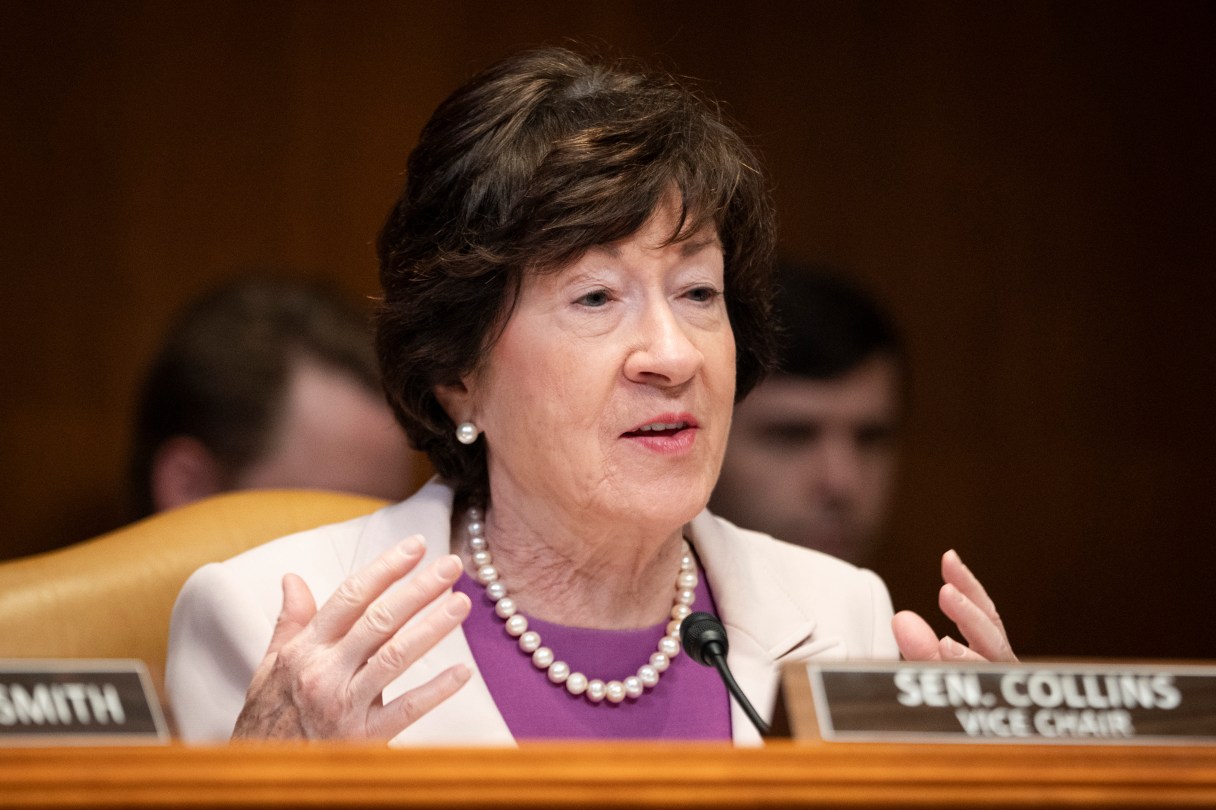
PORTLAND, Maine (AP) — A bill introduced after a mass shooting in Maine would require the Army to use state crisis intervention laws to remove the weapons of a service member who is deemed to be a serious threat to themselves or others, U.S. Sen. Susan Collins, the bill’s sponsor, said Monday.
The Armed Forces Crisis Intervention Notification Act is aimed at addressing missed opportunities by the military and civilian law enforcement to intervene before an Army reservist who had spiraled into psychosis opened fire at two locations in Lewiston, Maine, killing 18 people and injuring 13 others on Oct. 25, 2023.
“We have a chance to help service members in crisis. We have a chance to help protect our neighbors and families. We have a chance to save lives,” Collins said in a statement. Maine’s other senator, independent Angus King, is a co-sponsor of the bill.
This bill seeks to ensure communication between state agencies and military service branches after criticism that the Army wasn’t as forthcoming as it could’ve been with state law enforcement officials about the gunman, 40-year-old Robert Card, before the shooting rampage. It requires the military to participate in state crisis actions, including so-called red flag or yellow flag laws aimed at removing weapons from someone who’s experiencing a psychiatric emergency.
Law enforcement officials had known about Card’s growing paranoia, and Card had been hospitalized last summer while his reserve unit was training in New York state. Health care providers who assessed him said he was psychotic and had a hit list, and recommended that he not have access to weapons.