
Not all the policy questions left unanswered by Kamala Harris’ studiously vague presidential campaign are created equal. It is not especially urgent, for instance, to know how Harris’ views of the ideal health care system have evolved since the great Medicare for All debates of 2020, given the strong likelihood that as president she would share power with a Republican Congress and any sweeping domestic policy initiatives would be stillborn.
It is rather more important, on the other hand, to know what a President Harris would do about the war in Ukraine, the most significant crisis that she would immediately inherit.
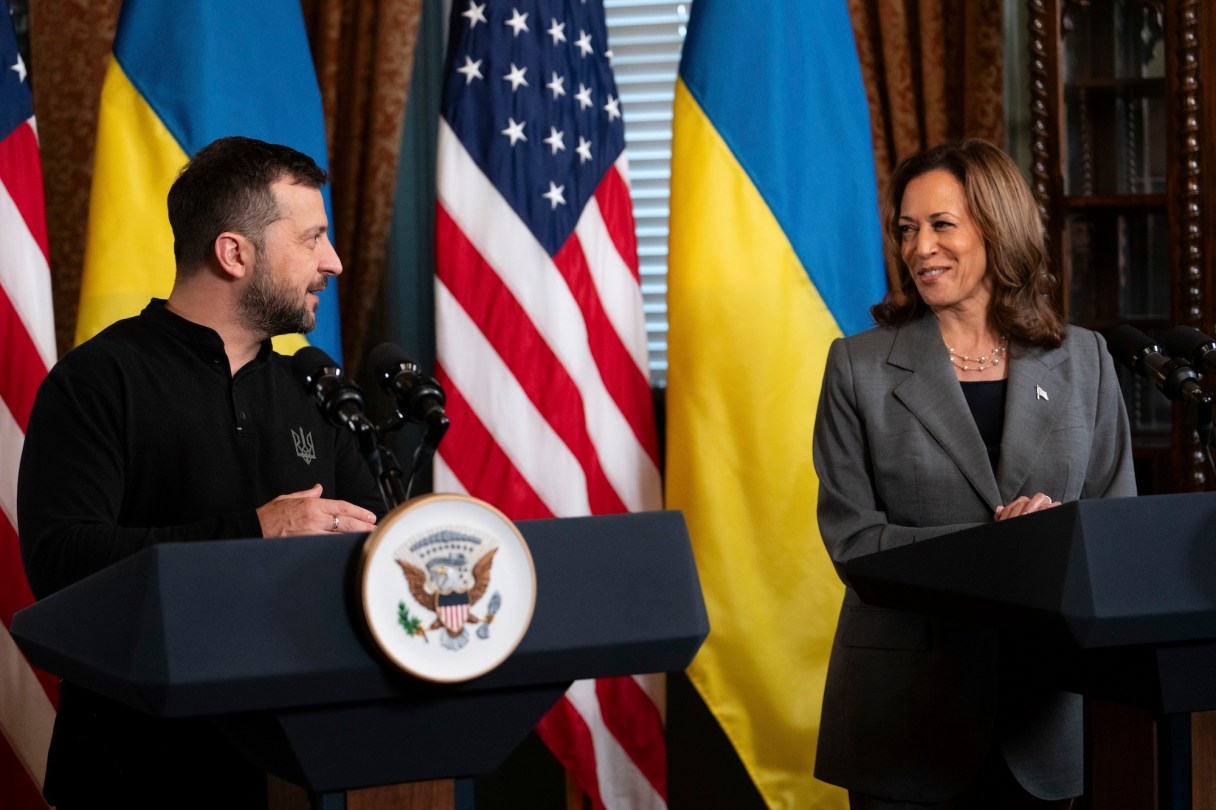
With Volodymyr Zelenskyy in Washington last week, we were treated to a formal restatement of Harris’ support for the Biden administration’s position from early in the war, which envisioned Ukraine taking back most of its lost territory: Standing beside the Ukrainian leader, the vice president dismissed any deal-making that involves territorial concessions as “proposals for surrender.”
But even as the vice president was issuing this statement, the administration was leaking doubts about Zelenskyy’s supposed plan for victory. In other words, it’s a request for help to slow the grinding pace of Russian gains, but not a plan to actually deliver the victorious endgame that Kyiv and Washington have officially been seeking.
In fairness to Zelenskyy, it’s not clear what form such a plan could take, absent the direct NATO intervention that the Biden White House has prudently resisted. The situation on the front has turned against Ukraine over the last year, with the main question just how bad things are likely to get.