
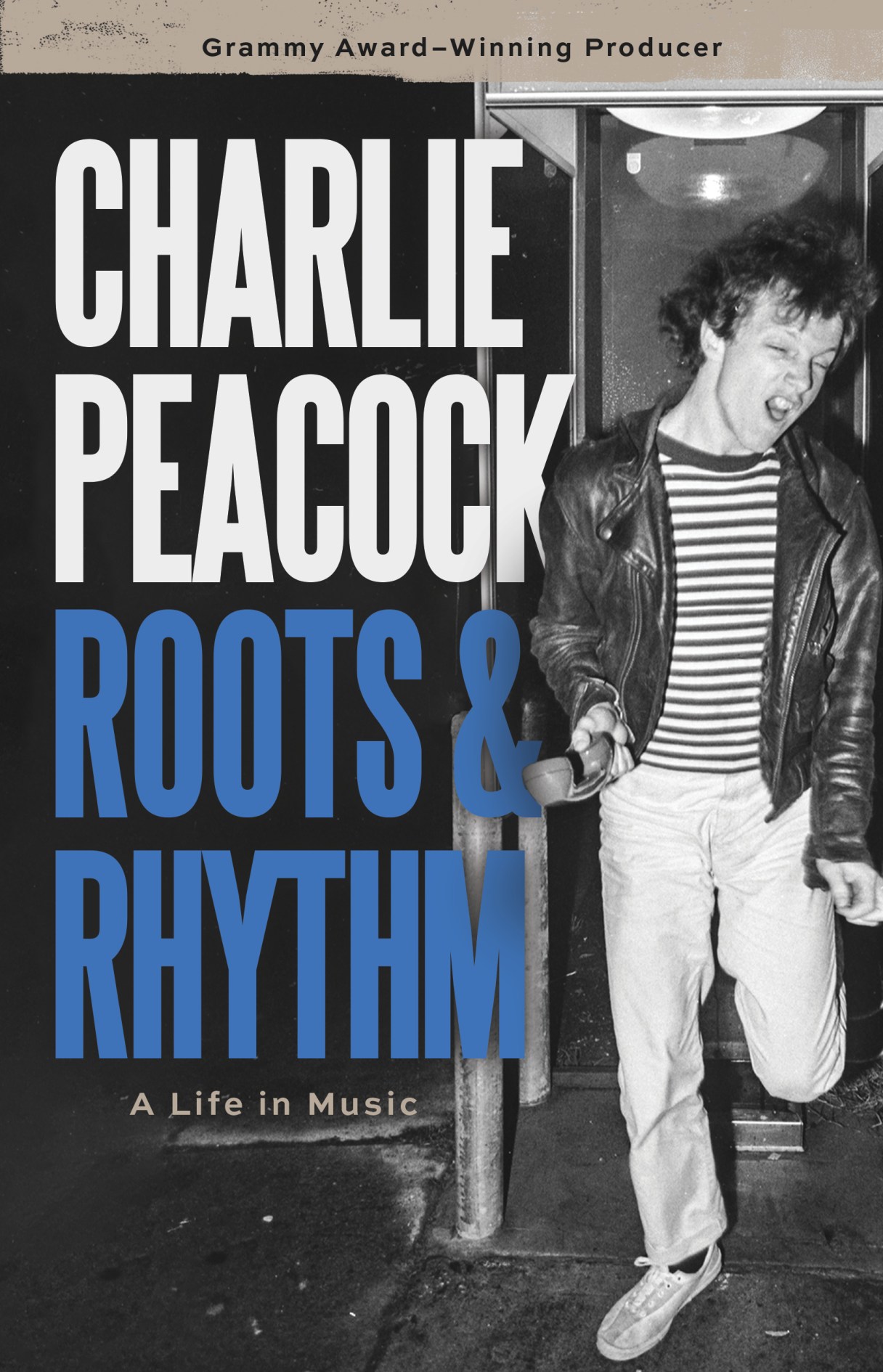
“ROOTS & RHYTHM: A LIFE IN MUSIC” by Charlie Peacock (Eerdmans, 389 pages, $33).
Charlie Peacock was present at the big bang of Americana music, which occurred in 1999 when producer T Bone Burnett recorded the music for the movie “O Brother, Where Art Thou?” at a famed Nashville studio, Sound Emporium. Peacock observed as David Rawlings and Gillian Welch recorded their parts for the film. Peacock’s analysis of his later work with Americana stars The Civil Wars and The Lone Bellow provides the intellectual underpinning for “Roots & Rhythm: A Life in Music.” His take on the music business moves in tandem with his autobiography, which documents a spiritual quest that continues to this day.
Peacock was also active in the California scene that produced another offshoot of American pop. Contemporary Christian music came out of the hothouse of 1980s Sacramento, where entrepreneurs like Mary Neely helped create a style that satisfied Christians in need of spiritual solace and pop fans who wanted an uplifting message. A talented keyboardist, songwriter and producer, Peacock took the lessons he learned in the 1980s as part of the CCM movement and applied them to the business of hit-making in Nashville.
Peacock was born Charles Ashworth in 1956 in Yuba City, California. His parents came from Oklahoma and Louisiana, and he played his first shows in Yuba City with a band called Blind Horse, which took its name from a 1971 album by the English band The Faces, “A Nod’s as Good as a Wink … to a Blind Horse.” He played in Sacramento and on the West Coast, leading a band, The Charlie Peacock Group, that specialized in jazz-rock in the manner of King Crimson. (Peacock adopted his new surname after the jazz bassist Gary Peacock.)