
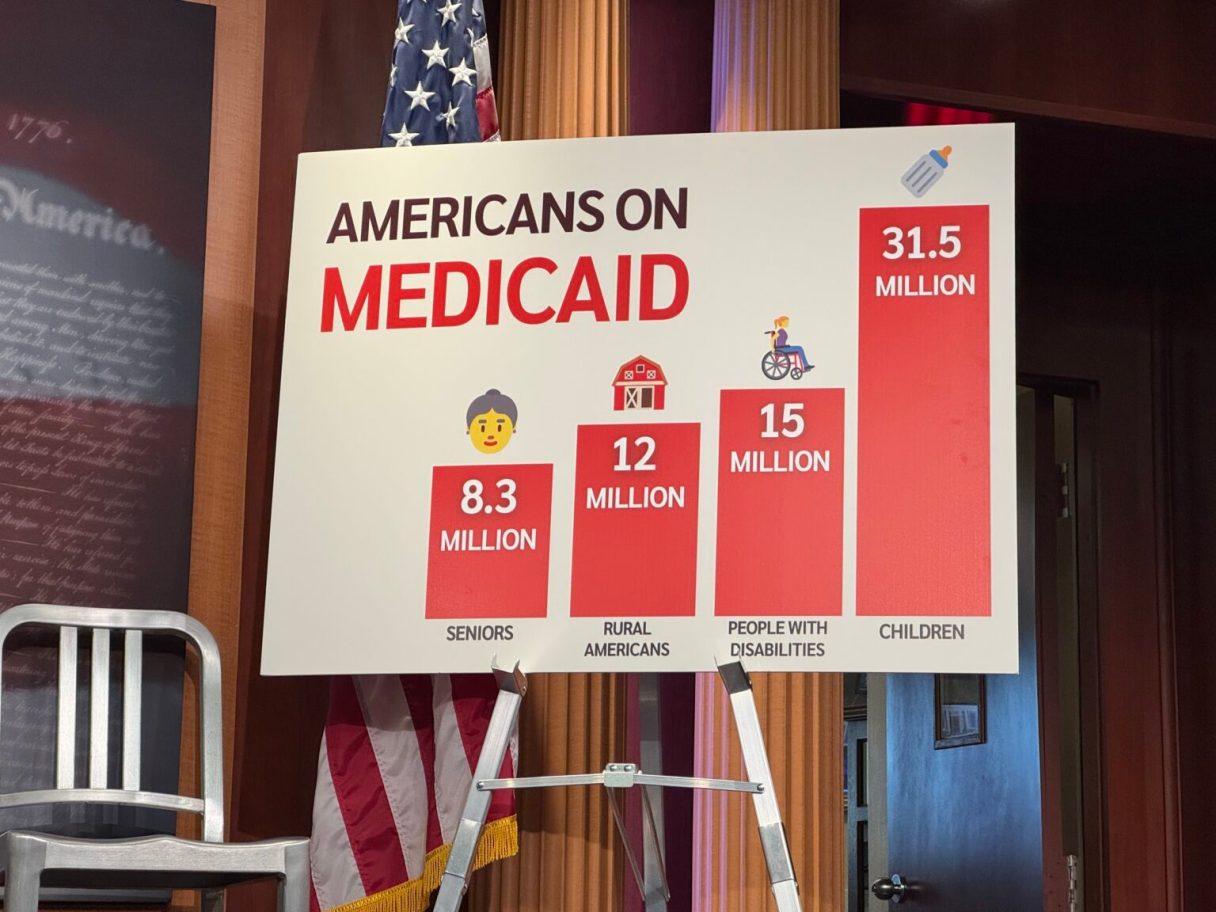
A new $50 billion rural health fund, part of the federal budget reconciliation law, could help soften the impacts of upcoming Medicaid budget cuts if used strategically, state officials said at the Alabama Department of Mental Health board meeting.
The law, signed by President Donald Trump on July 4, includes a new “rural health transformation program” that provides $50 billion in grants for states over five years, from fiscal year 2026 through 2030. According to a brief from KFF, a national health policy research organization, the fund could partially offset just over a third (37%) of the estimated federal Medicaid spending cuts in rural areas, which are projected to be $137 billion over ten years.
David White, senior policy advisor to Gov. Kay Ivey and a representative for the governor at the meeting Friday, said that with rural population continuing to decline, a focus for the grant should be on how rural communities can use consolidation and technology, such as telehealth, to provide efficient and quality care. The goal, he said, should be to invest in sustainable solutions that make rural health care more accessible in the long term, rather than simply delaying financial struggles with temporary funding.
“If you don’t invest in something to make yourself more viable down the road, why are we spending the money? You’re delaying doomsday, which is something but isn’t enough,” White said.