
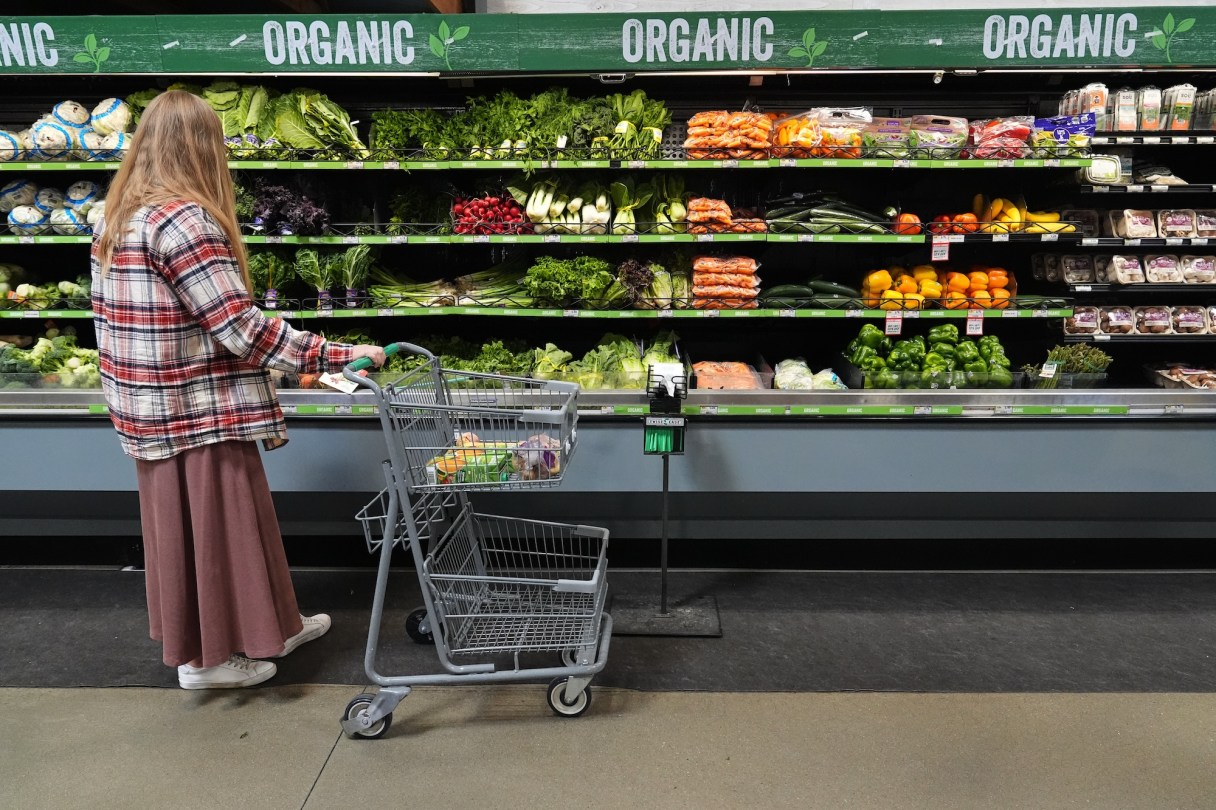
When someone tells you that they are struggling, it is generally good to take them seriously. So it was not the best political move for President Donald Trump to call the affordability issue a “hoax.” Too many Americans are trying to cope with rising food prices and high costs for housing, health care and child care.
At the same time, it is important to note that there is not a widespread “affordability crisis” in the U.S. Some people are truly unable to keep up with basic necessities. Some have high expectations that their incomes can’t meet. And some are doing fine.
Affordability has been an issue for years, but it became acute when inflation spiked after the pandemic and there was a drop in real income. Inflation is still high, about 3%. But real income growth is still positive for most Americans, suggesting that income is rising to cover many of the goods and services increasing in price.
There are caveats. For the bottom quartile, real wages are not rising as fast. And even for the middle class, real wages haven’t risen enough to keep pace with the increase in some critical goods and services.
Measuring the overall impact is a challenge, because different households have different needs and priorities. There have been some high-profile estimates that show the middle class falling behind, but they make some questionable assumptions.