
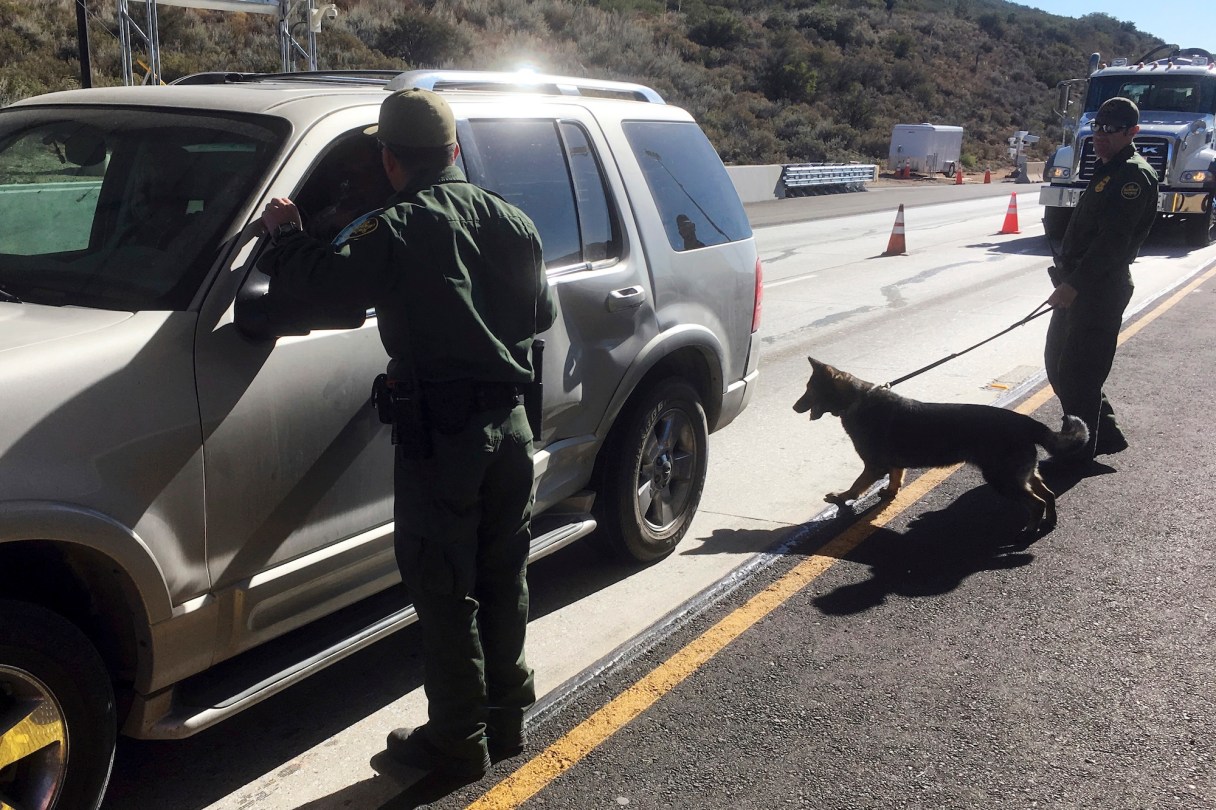
President Donald Trump’s plan to impose tariffs on goods from Mexico, Canada and China is partly aimed at combating the illicit flow of fentanyl into the U.S., where the opioid is blamed for some 70,000 overdose deaths annually.
Mexico agreed Monday to send 10,000 troops to the U.S.-Mexico border as part of a deal with Trump to pause the tariffs for a month — and hold off levying its own. Canada reached its own deal with Trump hours later, delaying the trade war and pledging several steps against fentanyl trafficking.
China hasn’t signaled major changes in tackling the flow of fentanyl into the U.S., and has said it would retaliate for any U.S. tariffs.
What role do Mexico, Canada and China play in fentanyl reaching the U.S.? And how much can their governments do?
Where does fentanyl come from?