
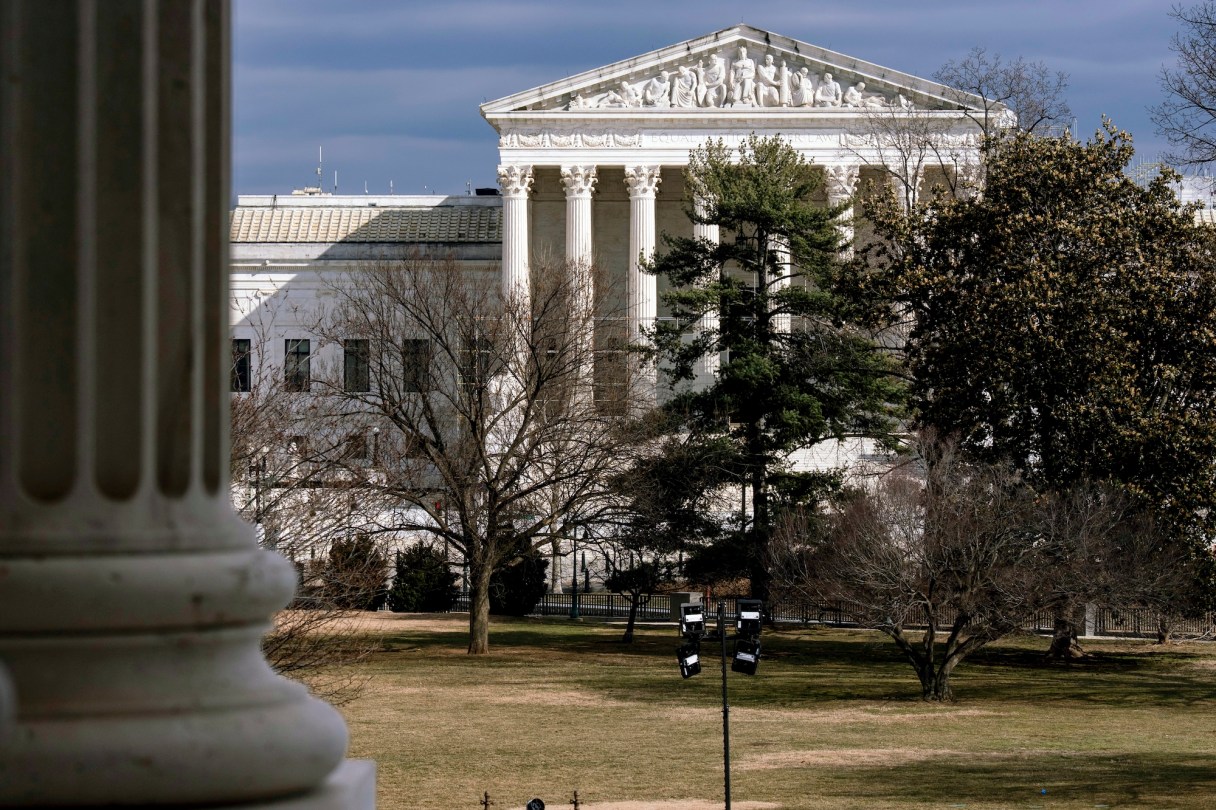
WASHINGTON (AP) — The Supreme Court seemed likely Wednesday to side with an Ohio woman who claims she suffered sex discrimination from her employer because she is straight.
The outcome of the case could remove an additional requirement that some courts apply when members of a majority group, including those who are white and heterosexual, sue for discrimination under federal law.
Justice Brett Kavanaugh stated a way of resolving the case, that seemed to enjoy broad support among his colleagues.
“Discrimination on the basis of sexual orientation, whether you are gay or straight, is prohibited. The rules are the same whichever way it goes,” Kavanaugh said.
The justices heard arguments in an appeal from Marlean Ames, who has worked for the Ohio Department of Youth Services for more than 20 years.