
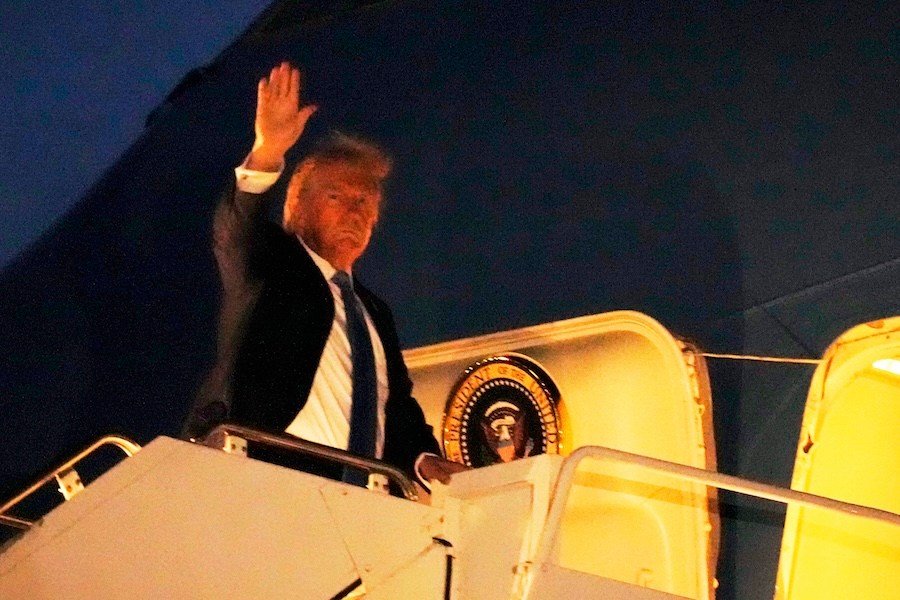
KANANASKIS, Alberta (AP) — Six of the Group of Seven leaders discussed Russia’s war in Ukraine and the Israel-Iran conflict but failed to reach major agreements on those and many other top issues — closing a summit that was forced to try and show how the wealthy nations’ club might still shape global policy despite the early departure of U.S. President Donald Trump.
Canadian Prime Minister Mark Carney and his counterparts from the U.K., France, Germany, Italy and Japan were joined during Tuesday’s final sessions by Ukrainian President Volodymyr Zelenskyy and NATO chief Mark Rutte.
“We need support from allies and I’m here,” Zelenskyy said, before adding, “We are ready for the peace negotiations, unconditional ceasefire. I think it’s very important. But for this, we need pressure.”
The remaining leaders agreed to jointly attempt to combat what they called non-market policies that could jeopardize global access to critical minerals. They also pledged to limit the downsides of artificial intelligence on jobs and the environment, while still embracing the potential of the “technological revolution.”
There was consensus on other issues, but though the summit was meant to showcase unity on top global concerns, no joint statement on the conflict in Ukraine was released.