
A nuclear-armed Iran would make the world less safe. It would destabilize the already volatile Middle East. It could imperil Israel’s existence. It would encourage other nations to acquire their own nuclear weapons, with far-reaching geopolitical consequences.
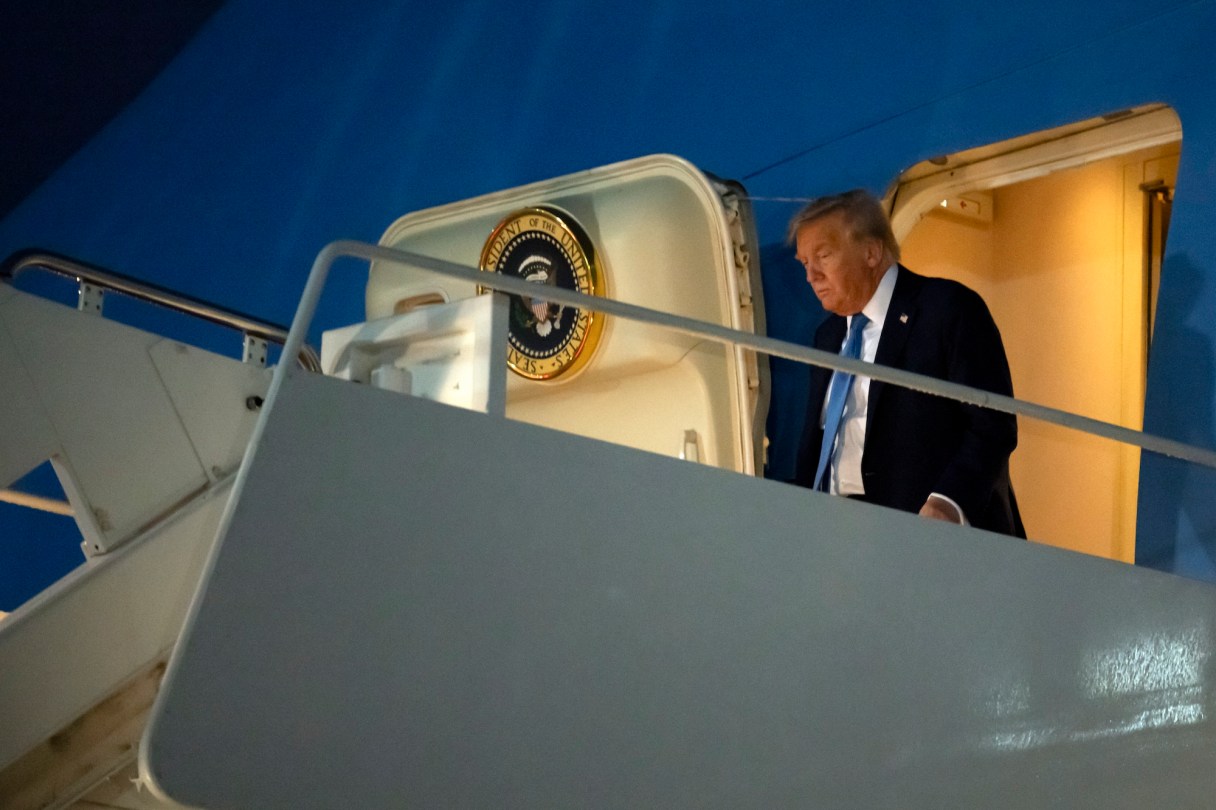
Now, however, Prime Minister Benjamin Netanyahu of Israel has acted to destroy Iran’s capacity to build nuclear weapons without first shoring up allies’ support. The United States faces being dragged into another war in the Middle East, with American lives at stake. And while the world tries to figure out what President Donald Trump will do in the coming days, that is the wrong question. If Trump wants the United States to join the Israeli war against Iran, the next step is clear: Congress must first authorize the use of military force.
Our laws are explicit on this point. An unprovoked American attack on Iran — one that could involve massive bombs known as bunker busters — would not be a police action or special military operation. It would be a war. To declare it is not the decision of Netanyahu or Trump. Under the Constitution, Congress alone has that power.
When lawmakers passed the War Powers Resolution in 1973, they limited the president’s authority to conduct military operations, carving out an exception to respond to a foreign attack. This is not such a circumstance. Iran has not attacked the United States. There is ample time for Congress, the elected representatives of the American people, to debate this decision and render its judgment.
Several members of Congress seem to appreciate that responsibility. On Tuesday, Rep. Thomas Massie, R-Ky., filed a House resolution, along with Democratic colleagues, that would require Congress to sign off ahead of any offensive U.S. attack against Iran. Sen. Tim Kaine, D-Va., introduced a similar measure Monday.