
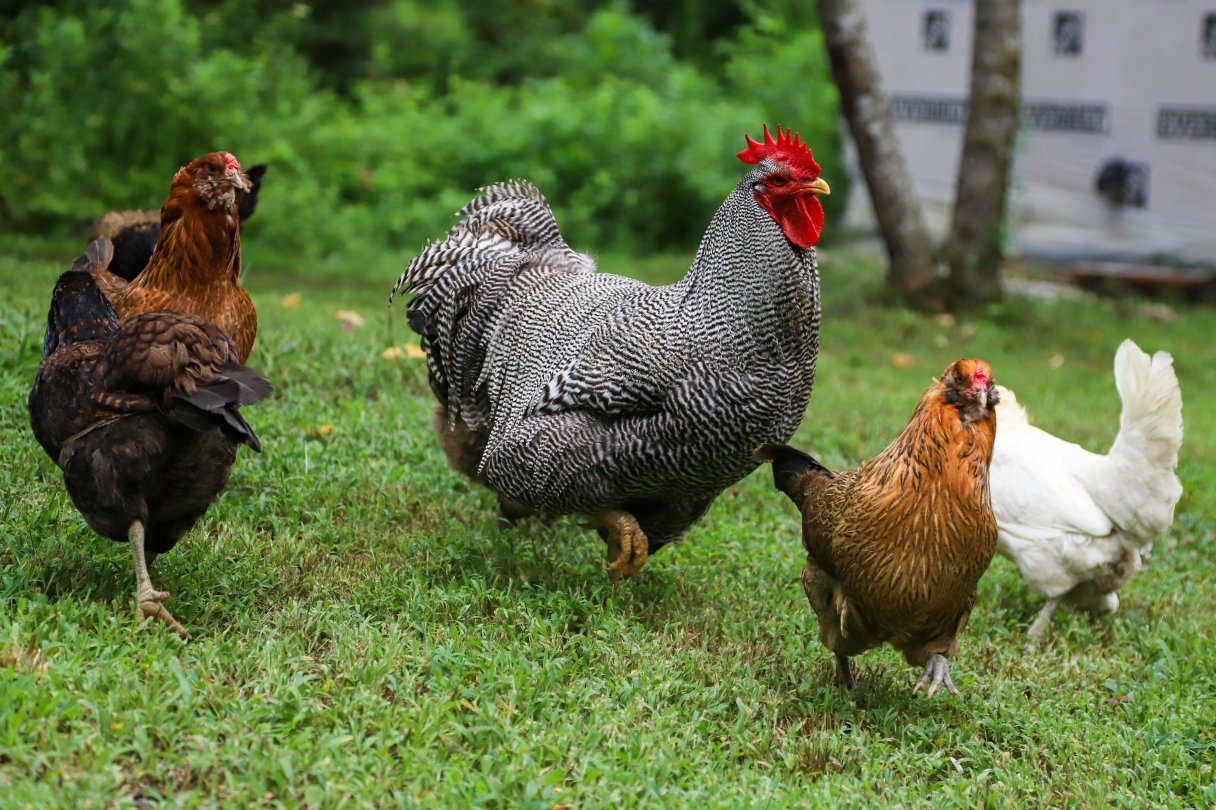
As the cost of eggs goes up, so does the number of Tennesseans considering raising chickens in their backyards. The rising cost is primarily due to the latest outbreak of bird flu, which has killed 166 million birds and poultry across the country, not to mention nearly a thousand dairy herds.
Tennessee has seen a total of 456,070 birds infected since the beginning of the outbreak in 2022. The last known infection in Tennessee was found in a wild flock of birds on Jan. 16 in Greene County, about 250 miles east of Nashville. The bird flu has not been detected in Davidson County since late 2022.
“There are no active infections in Tennessee’s domestic poultry population that the Tennessee Department of Agriculture is aware of at this time,” State Veterinarian Dr. Samantha Beaty said. “It’s important to remember that Tennessee’s food supply is safe. Food and dairy products that are appropriately heat-treated have been shown to be safe for human consumption, and there is no need to avoid milk or poultry products.”
As a means to save money, though, interest in backyard chickens continues to increase. Tom Tabler, the statewide poultry specialist for the extension program at the University of Tennessee Institute of Agriculture, told the Nashville Banner that county agents from across the state have been calling him nonstop to help answer community questions about raising poultry. UT Extension has an office in all 95 counties, but its agents are not necessarily poultry experts, so they check in with Tabler for best practices, especially since bird flu has been on the rise.
“A lot of folks get (backyard chickens) so that their kids can learn about agriculture, the responsibility of taking care of an animal or have them for the pure enjoyment of having them. There’s lots of good reasons to get backyard chickens, and they’re all good reasons,” Tabler said. “But getting backyard chickens to save money on eggs is not a good reason. You’re not going to save money on eggs. They cost you money. They don’t save you money.”