
This story was originally published by Chalkbeat. Sign up for their newsletters at ckbe.at/newsletters.
A Tennessee bill that would strip power from Memphis Shelby County Schools board and create a state-appointed panel to oversee the district advanced in the legislature.
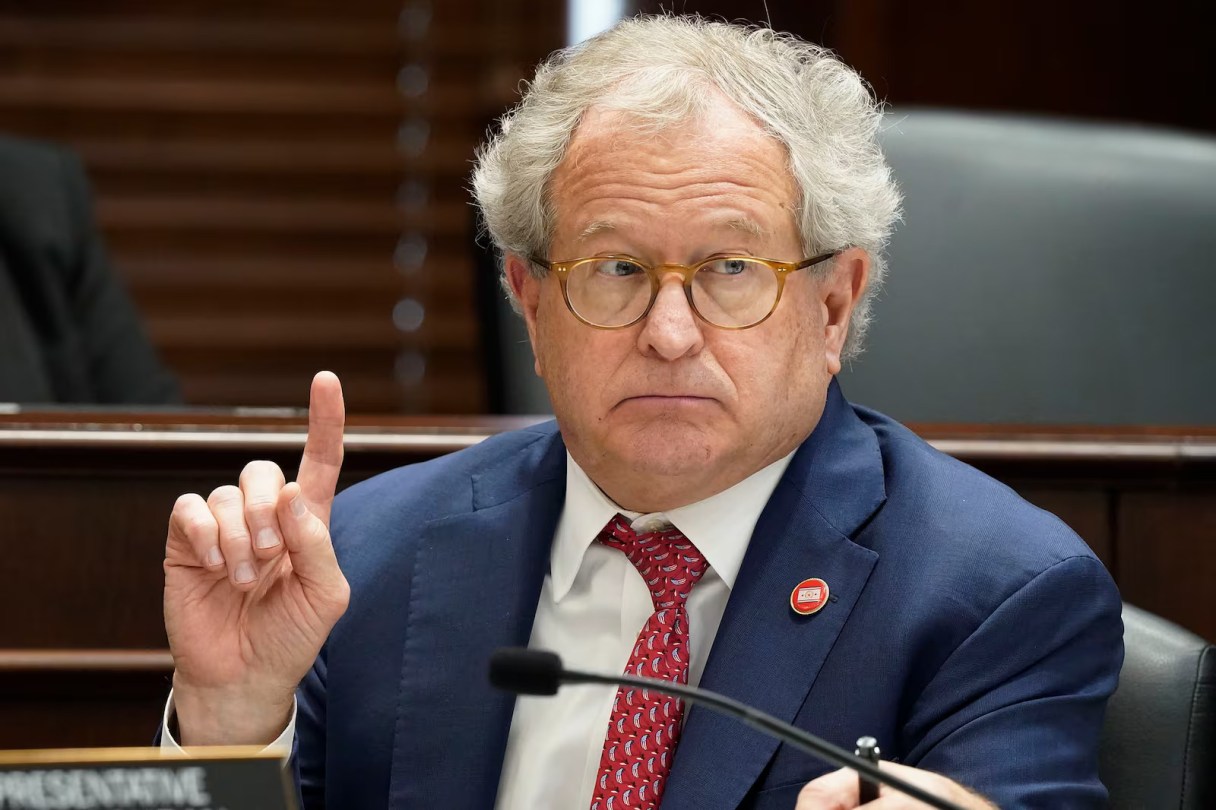
In a 6-2 vote along party lines, the bill from Republican Rep. Mark White of Memphis cleared the Tennessee House’s K-12 subcommittee after a hearing Tuesday and moved ahead for consideration by the full education committee.
The hearing was lawmakers’ first public discussion of the legislation, which could overhaul how decisions about Tennessee’s largest school district are made. The bill would create a nine-member, state-appointed board to manage the district for at least four years. The elected school board would continue in an “advisory capacity,” but the state board would be able to veto the elected board’s choice of superintendent and direct a range of its actions, according to the draft legislation.
Critics of the legislation warned that the bill, if approved, could set a precedent for the state to encroach on local control in other districts across the state.