
Public libraries are huge community assets. They not only house books, but provide educational programs, arts classes, computer access, archives and more. But now, the federal government proposes slicing financial support to these valuable assets, including a potential $435,000 hit to our Chattanooga library.
Words defy me, especially having just attended a very special presentation at the downtown library. The program featured Ettie Zilber, whose family was from Lithuania and whose parents were Holocaust survivors. Ettie educated us about the collaboration between the Soviets and the Nazis, creating a Holocaust “by bullets” since the gas chambers weren’t available in Lithuania. She talked about how a Jesuit priest documented what happened as an eyewitness. The photos from that period are devastating. Destruction of property was legal at the time, allowed by anti-Jewish laws, as were public auctions of looted Jewish valuables. When it was evident that the Allies would persevere, evidence of the destruction was destroyed. Killing army units murdered 10,000 victims in one day and hid the evidence by burning the dead bodies.
We were fortunate to hear from Ettie, who shared her story in Germany and Lithuania, as well as schools worldwide. She has shared her book, “A Holocaust Memoir of Love and Resilience: Mama’s Survival from Lithuania to America.” The Chattanooga audience greatly appreciated her presentation and the library and other program sponsors, including the Tennessee Holocaust Commission.
Keep in mind that libraries are major players in counteracting efforts to deny, distort and trivialize history. But also note that efforts to ban books have been persistent for several years. The idea that the feds will remove funds and make it difficult for libraries to offer educational community events is heartbreaking, but unsurprising given our national elected leadership and political climate.
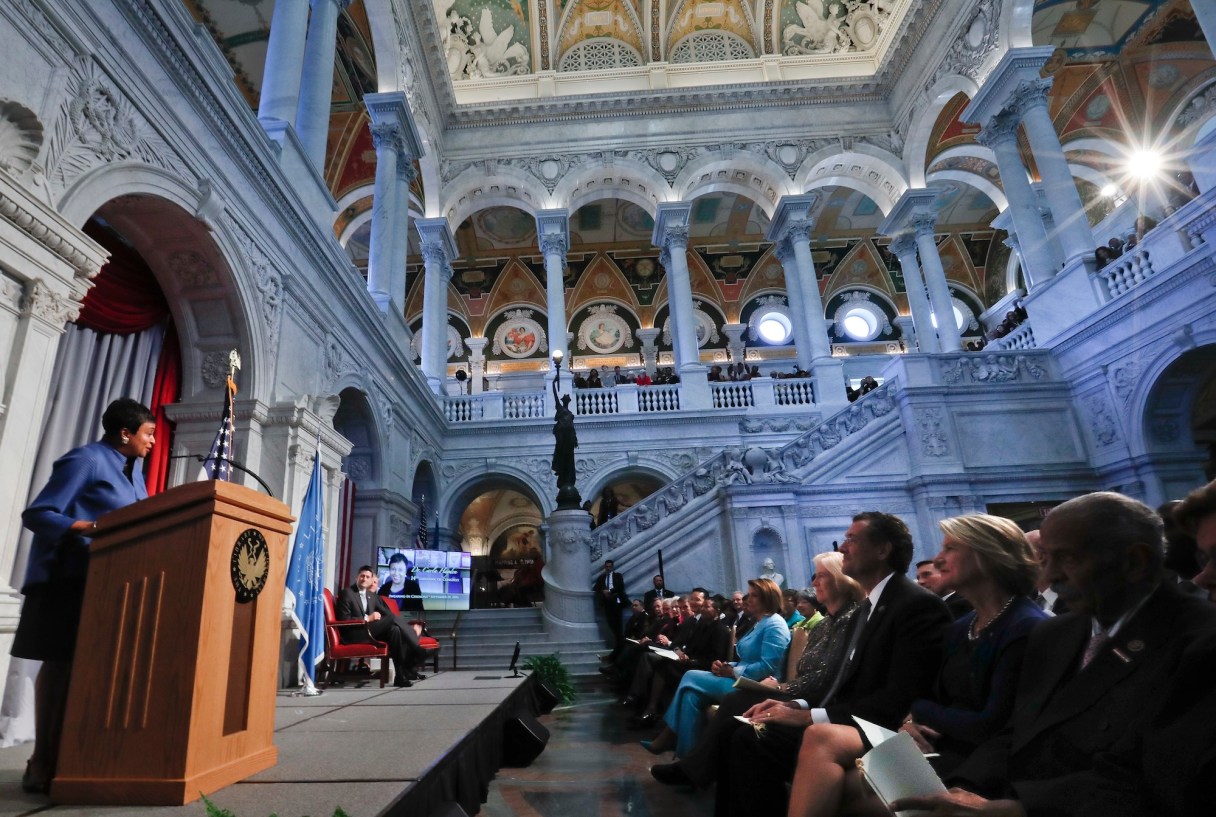
There was a certain predictability to the firing of Dr. Carla Hayden, the librarian of Congress. Hayden, the first Black and first woman to hold this position, was appointed by President Barack Obama and confirmed by Congress for a 10-year term (set to end next year). She was fired by email after testifying to Congress about her efforts to modernize the library’s systems, processes and staff. The Library of Congress isn’t just about books. It has vast digital resources and research centers and provides in-person presentations, classes, symposia and research orientations. Its vast resources are often loaned out to local libraries so that their collections can be used locally and globally.