
(Editor’s note: First in a three-part series)
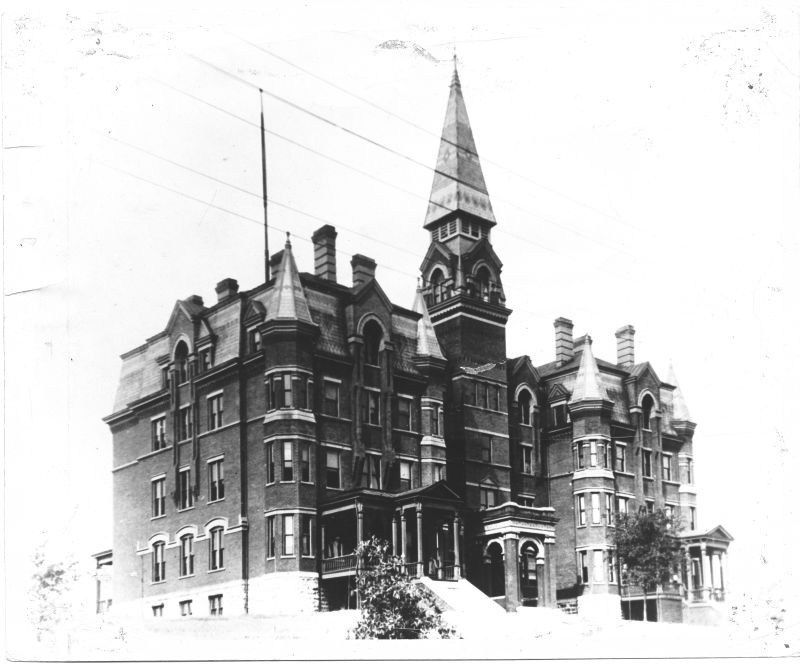
Chattanooga University, the predecessor to UTC, became Grant University through denominational competition and differences over governance within the Methodist Episcopal Church in the late 1880s.
It all began when trustees of the Methodist Episcopal institution met in the Stone Church (at the corner of Georgia and McCallie avenues) on July 14, 1886, to discuss the organization of Chattanooga University. Hiram Chamberlain presided, with Dr. John Rathmell serving as the recording secretary. Attending trustees included local clergymen and several who had traveled from a distance including: Bishop John Walden, Lebanon, Ohio; The Reverend Dr. Richard Rust, Cincinnati; the Rev. Dr. W.H. Rogers, Cleveland; Capt. William Rule and Col. J.B. Hoxie, Knoxville.
Dr. John Manker, chairman of the Committee of Organization, gave the opening prayer and announced the officers of the board: Bishop J.M. Walden, president; Hiram Chamberlain and Julius Loomis, vice-presidents; Dr. T.C. Carter, secretary; and Dr. J.H. VanDeman, treasurer. They were assisted by Dr. Rust, Henry Clay Beck, John Adams, Dr. Rathmell, Dr. T.C. Warner, James Loomis, David Rees, Creed F. Bates, Andrew Gahagan, S.D. Webster and Manker, who composed the executive committee. The report of the committee was submitted as an adopted charter to the Tennessee Secretary of State. Professor W.W. Hooper was empowered to “receive and answer correspondence preparatory to the opening of the school.”
Dr. Manker reported details of the school’s opening. The first term began on Sept. 15, 1886, and ended Dec. 23, with students returning the following year for the second term, Jan. 5-March 24, and third session, March 28-June 15. Tuition for each term was $15; boarders paid $1.50 per week for “furnished, heated and lighted rooms.” Theology students were charged at a 50% rate, while children of “all regular ministers” were awarded free tuition. The executive committee was authorized to add instruction in fine arts, music and the French and German languages and “fix such rates as they deem proper.”