

Who better to give leadership advice than leaders themselves? We asked several of Chattanooga’s top executives to share what they’ve learned about leadership — the mistakes that shaped them, the traits they look for in their own employees, and how they cultivate company culture. Experience offers wisdom that can’t be found in a textbook — but it can be found in the pages ahead.
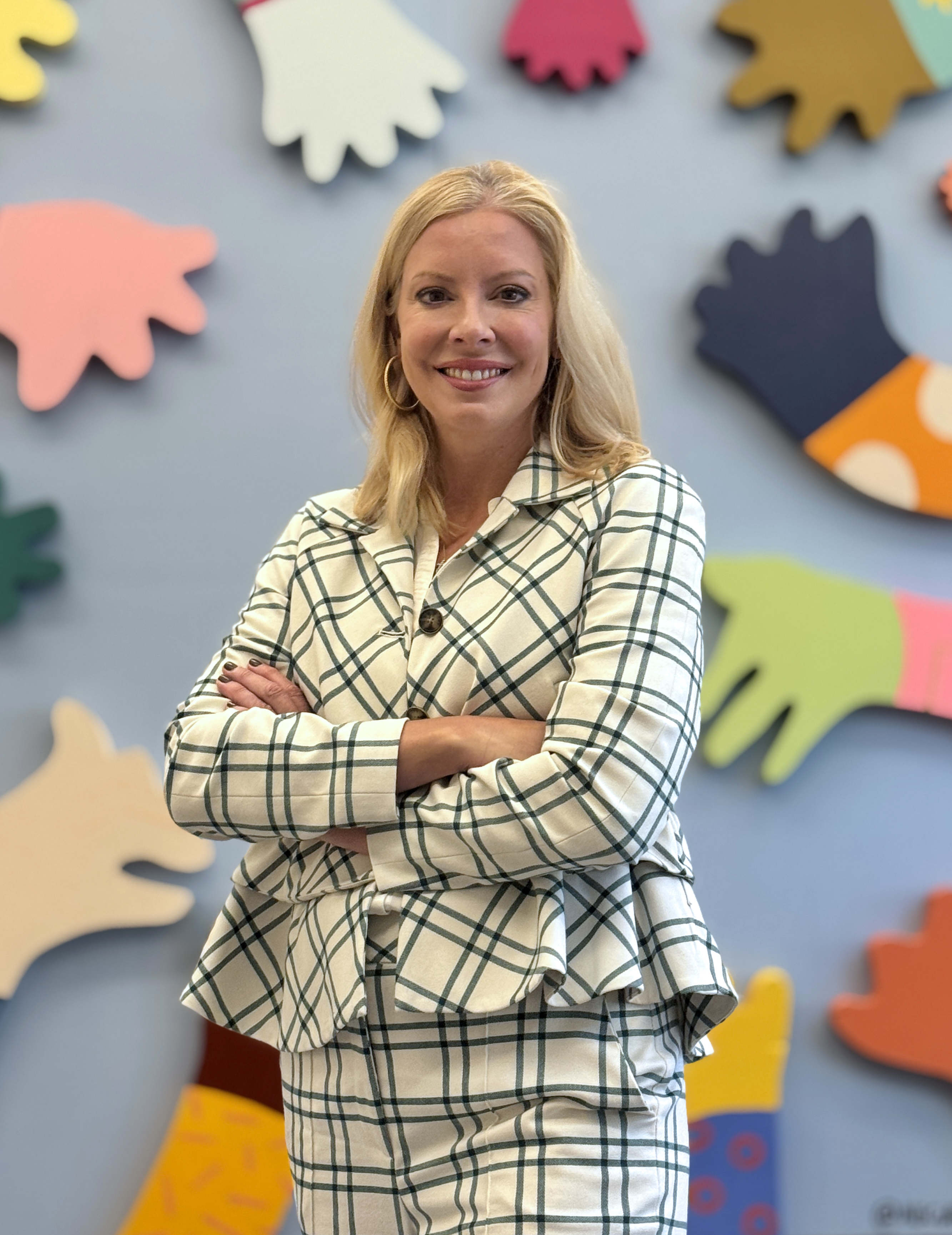
LESLEY SCEARCE
President and CEO of United Way
What has been your biggest professional mistake or challenge, and what did you learn from it?
I have been a CEO in one way or another for almost 25 years. Honestly, there have been lots of mistakes, challenges and things I’ve grown from. But one common thread I’ve learned to work through is, as leaders, we are taught and programmed that when someone brings you a problem, you should react to it — solve it, do something immediately.
Over the years, I’ve found that while it feels like the right thing — often when I jump in too quickly, that doesn’t really help to empower the person. One of my biggest mistakes has come from taking on too much of someone else’s problem instead of supporting them or working with them to solve it for themselves.
What do you look for as signs of leadership in your employees?
Another thing I’ve learned over the years is, you have to ensure that your leaders are more than just expert individual contributors. Meaning, somebody can be an expert in what they do, but that doesn’t automatically make them a great leader.
What makes someone a great leader, from what I have found, is really a recipe of things. The first is a great amount of humility. They have to be humble in order to keep learning, to accept feedback and to recognize that while they are critical, they’re also part of the whole. Second, they have to be reliable. You need to be able to count on them to show up in a certain way every day — for their team and for the organization.
Certainly, you want them to be experts in their field. But the willingness to stretch beyond that is just as important.
Finally, they need to be excellent at conflict intelligence — not just emotional intelligence. Emotional intelligence matters a lot in leadership, but the ability to navigate and work through conflict in a productive, constructive way is gold.
Those things together — humility, reliability, expertise, emotional intelligence and conflict intelligence — are critical. Going back to mistakes, one of the biggest I’ve made was assuming that because someone was great at their job, they’d automatically be a great leader. That’s not the case.
I would rather hire for great leadership and train someone to do the job than the other way around.
How do you create culture in your organizations?
Borrowing the words of Claude Silver, chief heart officer of VaynerX, who attended a recent United Way event: “Culture is not a vibe, it’s a verb.”
To me, that sums it up. I deeply believe culture is everybody’s job. Culture is both the formal structures you put in place to help people be happy and successful at work, and it’s also the informal — the things you do at the water cooler, when you’re getting coffee in the morning, the way we learn, the way we forgive, the way we talk about our peers or our partners in the community.
Formally, we have things like our Culture and Connectedness Committee, a clear strategic plan, systems for staff feedback and ways to celebrate our team members. But the informal matters just as much, and that comes back to the values we hold and everyone recognizing the role they have in building that organizational culture.
My motto is, “Everyone’s a keeper of the culture.” You have to work at it. You can never take your eye off it.
And you have to recognize you’re going to fail, too. We’re not perfect. We’re going to mess up. But I think one of the greatest signs of a good culture is, when you do mess it up, how do you go about repairing it? That’s what really matters.
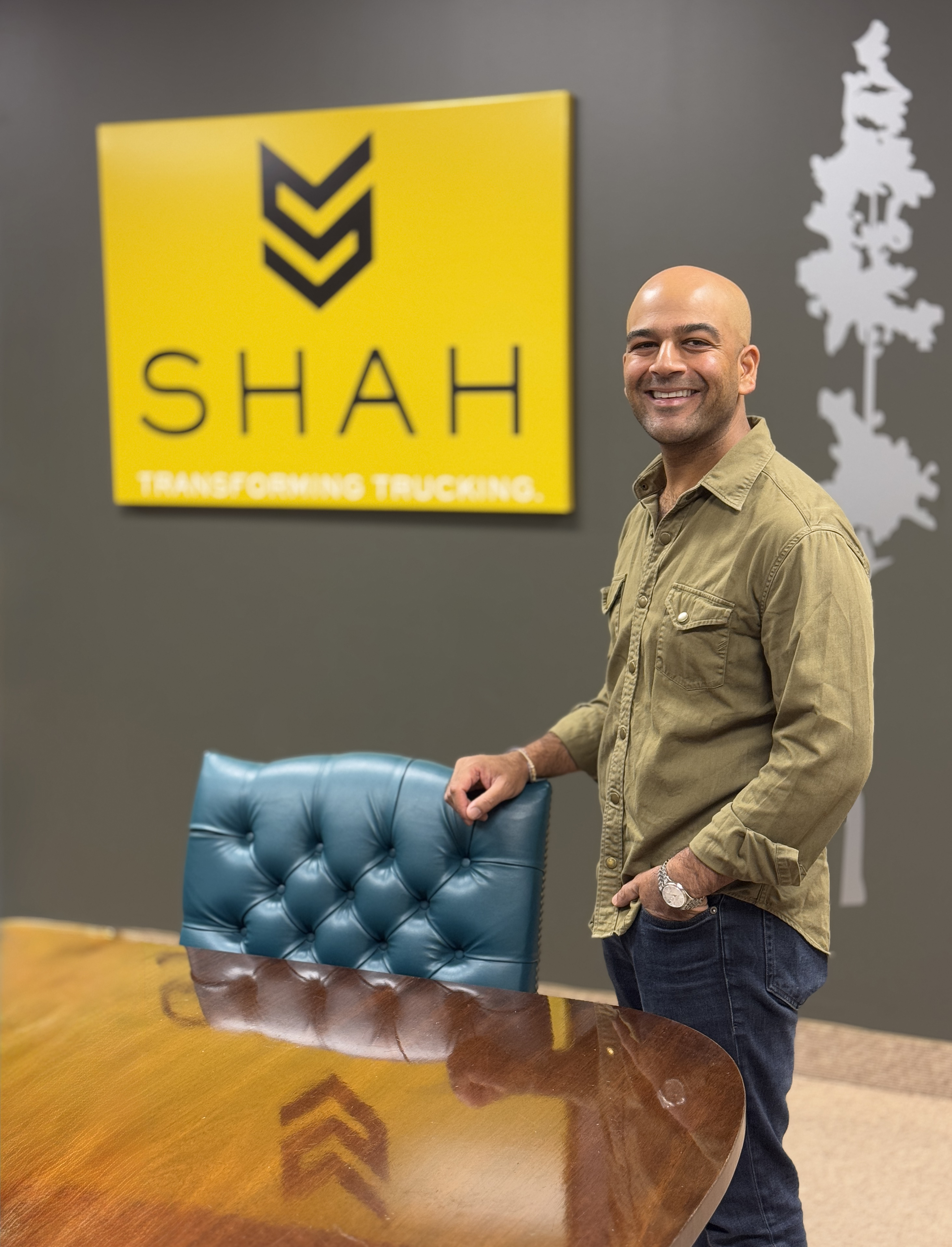
GURU SHAH
CEO at Shah Logistics
What has been your biggest professional mistake or challenge, and what did you learn from it?
Certainly my biggest challenge so far in my career is navigating the post-COVID landscape for trucking. COVID was a period of immense growth and opportunity for trucking and logistics companies, and business was as good as it had been in our history. During that time it became highly difficult to retain drivers due to exorbitant pay rates across the industry by companies that were trying to cash in on the boom market.
For those that don’t know, insurance, driver pay and fuel are the three biggest cost factors in the thin-margined game of freight. When freight rates plummeted to historic lows after COVID, cost did not — and that made running a profitable business incredibly difficult.
We could not lower our driver pay rates and we don’t believe in layoffs, so we had to persevere and be smart. We stowed away funds, ran lean and worked on making smart decisions throughout the boom so we could survive the bust.
What I learned from this experience is to stay steady in good markets and bad. Staying conservative isn’t sexy, but it works in the long run.
What do you look for as signs of leadership in your employees?
I look for ownership and lack of ego. These two traits become apparent over time of employment.
In a sales business like logistics, adaptability and accountability are paramount. To maintain your customers loyalty, you must treat them like a priority and take full ownership over your role as their service provider. You have to remember to listen when things go sideways, and be able to own your part in any mistakes that happen.
We have a well-known practice in our office that mistakes are OK as long as they are owned up to and remedies are put in place. Our leaders, starting with me, are all quick to take ownership when mistakes are made and spend a lot of time communicating with customers, carriers and teammates to learn ways to avoid those mistakes moving forward.
How do you establish culture in your organization?
We establish culture through mutual transparency, respect and follow through. If I’m not listening to my people and giving them an opportunity to offer their insight, then the relationship is unfair.
Our commission structures are transparent and consistent. We reward loyalty. We treat our people with respect and dignity, and try and learn something new with each new hire.
We understand that our people aren’t going to close every account they call on. Sales is a tough job, but it rewards persistence. Persistence is contagious and so is winning. The two go hand-in-hand more often than not, and that can lead to a great office culture.
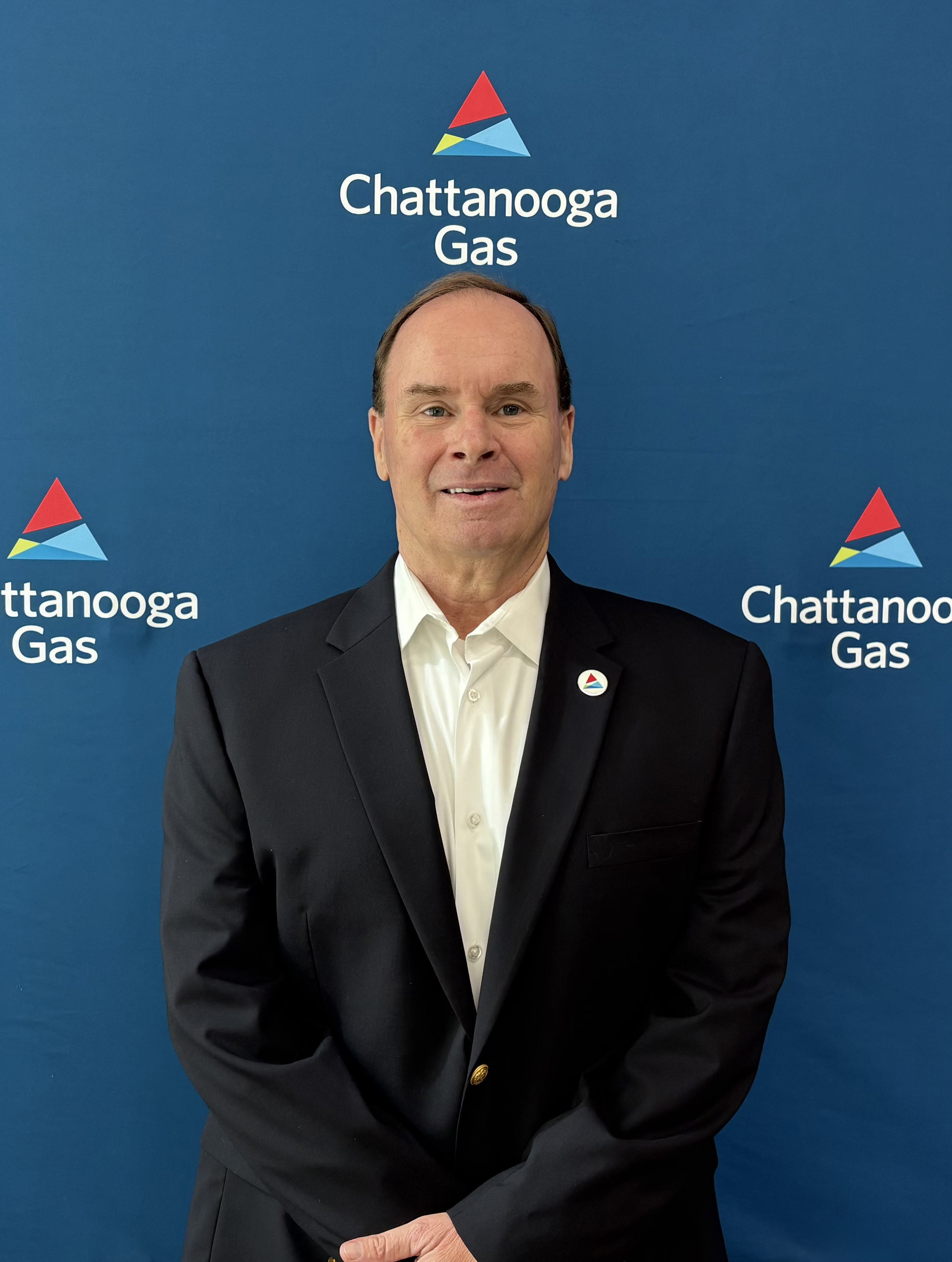
PAUL LEATH
Director of Regional Operations for Chattanooga Gas and Northwest Georgia at Southern Company Gas
What has been your biggest professional mistake or challenge, and what did you learn from it?
One very important lesson I learned during my military career, and it’s something I carry with me to this day, is to never second-guess your instincts, especially when something feels off or potentially unsafe.
I learned this while I was a young Army officer during Desert Storm. One day I decided not to move the company charge of quarters (CQ) from the barracks to our company headquarters. The CQ is an emergency on-call operations center. During that time, we had a soldier who was being involuntarily separated from the Army, and he came into the headquarters building acting strangely. This was unusual because he had been restricted to his barracks but was allowed into the headquarters periodically to pick up his mail.
I sensed the soldier was up to something, but at that moment I didn’t trust my gut to move the on-call personnel to the headquarters office that night. Unfortunately, this ended up being a mistake because the soldier had a key to the supply room and stole some equipment. He was eventually caught trying to pawn the stolen equipment which led him to military prison.
As I look back, I wish I had trusted my instinct but have learned to now, and I encourage others to as well.
What do you look for as signs of leadership in your employees?
I believe the most important traits of leadership are honesty and acting with integrity. Safety is our company’s No. 1 value, and it is a priority in everything we do. I value leaders who care for their teammates, our customers, the company and our community. I expect our leaders to always set challenging but attainable goals and hold themselves and their team accountable to meet those goals.
How do you establish culture in your organization?
The best way to establish a great culture is to model the behaviors that will result in a positive work environment. A leader should set an example for their team. Culture is a work in progress and one that must be focused on all the time; it is hard to build and maintain a great team culture, but it is very easy to lose it.
That’s why every employee takes on the responsibility for maintaining our great culture and modeling our core values which are: safety first, intentional inclusion, act with integrity and superior performance. It guides everything we do. We all have a role in maintaining the culture rooted in our values.

JENNIFER DORSEY
President of Pratt Home Builders
What has been your biggest professional mistake or challenge, and what did you learn from it?
I underestimated the severity and duration of the economic effects from the COVID virus in 2020. The building industry, along with many others, faced crippling supply chain shortages for two years. Even today, the cost of inflation from that time is still hurting our homebuyers through higher housing costs and interest rates. I learned the global supply chain is fragile, and now have a better understanding of the ripple effects and how to navigate them.
What do you look for as signs of leadership in your employees?
Leaders develop multiple skillsets, are eager for new opportunities and will seek a deeper level of knowledge. They will share their perspective on challenges and offer thoughtful solutions.
How do you establish culture in your organization?
I want to instill the passion I have for home building into our team, our homes and our communities. But more importantly, I care about our team members and their families, and the relationships we build with each other.
READ MORE
* How communication and lifelong learning unlock career advancement
* Bruce’s journey to become first female chancellor of UTC
* AI and leadership decisions: The hidden risks and surprising benefits