
In January 1970, President Richard Nixon signed the National Environmental Education Act, which framed the issue of environmental protection not only as a matter of regulation, but also of education. Nixon emphasized building a better environment would require “a citizenry that is both deeply concerned and fully informed.”
As we near the 56th anniversary of the first Earth Day, that lesson may be more urgent than ever.
Throughout modern history, education has been an economic strategy. Industrialists at the turn of the 19th century demanded mandatory education. They needed workers who could read and write. They needed managers who helped them innovate. They wanted to compete. The same was true of the space and computer revolutions.
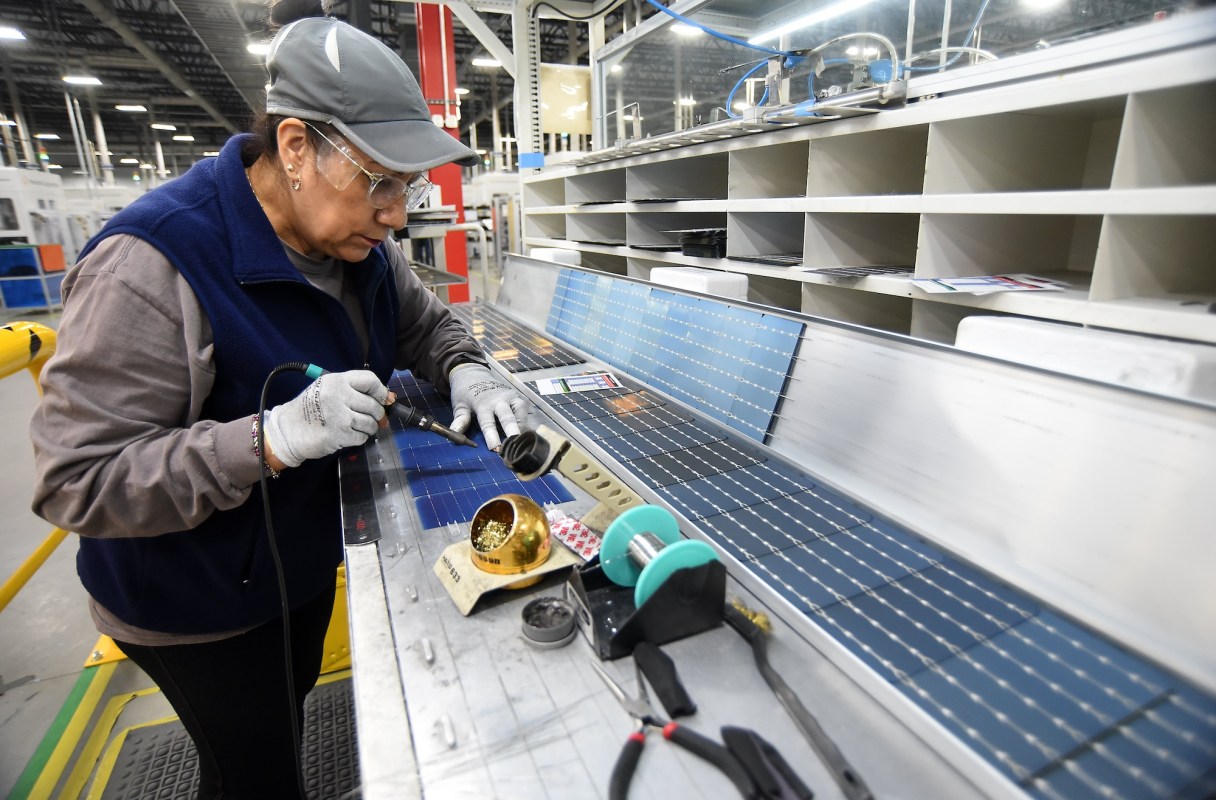
Today we have different challenges, like climate change, which call for a restructuring of the global economy. The industries that will dominate the 21st century will depend on advances in renewable power, grid modernization, battery manufacturing, resilient infrastructure, climate-smart agriculture and clean transportation. And a new generation of problem solvers.
A World Bank report finds better-educated populations are more adaptable to climate shocks, more innovative in mitigation and better positioned to access emerging green jobs. Separate World Bank research projects that climate-aligned investments could generate tens of millions of net new jobs globally by 2050 and beyond, in renewable energy, sustainable construction, ecosystem restoration and climate services.