
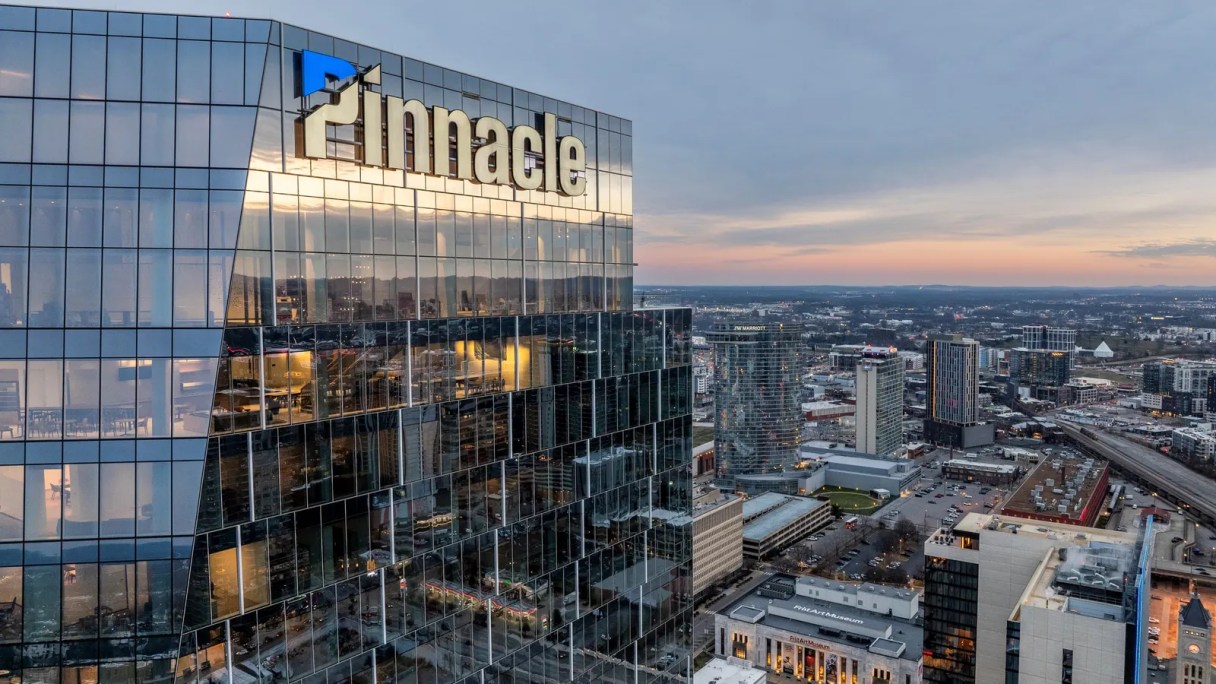
Over the past two decades, Craig Holley helped build one of the region’s biggest banks by recruiting, rewarding and retaining a team of experienced bankers who know the local market.
Holley, who left his job as regional head of AmSouth Bank in Chattanooga to start CapitalMark Bank in 2007, helped grow the startup bank into Chattanooga’s second-biggest bank before merging with the Nashville-based Pinnacle in 2015. In January, Pinnacle Bank merged with the Columbus, Georgia-based Synovus Bank to create what Holley and other officials say should be a Southeast growth champion.
The merger creates a $116 billion-asset bank adopting the Pinnacle name with the bank headquartered in Nashville and the parent company based in Atlanta. The combined bank will have more than 400 offices across nine Southeastern states, but Holley says its committment to local decision-making will remain.
Holley will serve as the market chairman for Pinnacle in Chattanooga and expects to continue the local decision-making that had helped grow the bank into the second largest in Chattanooga and the largest in Cleveland, Tennessee. Holley says the merger with Synovus “will add an enhanced suite of products, including an expanded commercial, private banking and wealth and specialty bank offerings.”
Pinnacle has already attracted nearly $2.4 billion in deposits in the Chattanooga market with only three full-service offices, trailing only First Horizon in size among the 30 banks operating in metropolitan area. Pinnacle is the biggest bank in the Cleveland, Tennessee market with more than $512 million in deposits from a single office in Cleveland.
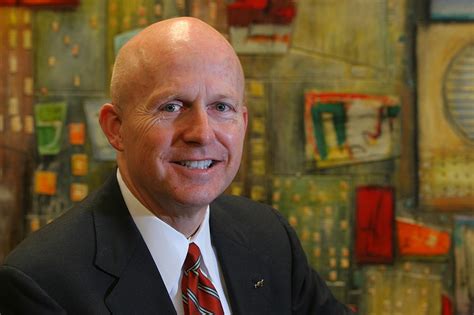
“We go out and hire experienced bankers who know the market and that has been a tremendous driver of our growth,” Holley says. “Clients love to deal with bankers who they know can make decisions and can handle all of their financial needs.”
Pinnacle is preparing to add a Hixson office on Highway 153 in March of 2026 at a location it acquired from Synovus prior to the merger, and will pick up another office from Synovus in Lafayette, Georgia. But as the operations of the two banks are consolidated by early 2027, Holley says they will consider combining the current Synovus bank site in the Loveman’s building downtown into the Pinnacle headquarters in the former Pioneer Bank building just a block away on Broad Street.
“But the thesis of this merger is about revenue growth, not cost savings, and we’re actively recruiting producers to join the combined company, which has been our strategy from our very beginning,” Holley says.
Branching out
Pinnacle has proven successful in the increasingly digital age by growing in size with a relatively limited number of offices around town. Many of Chattanooga’s banks with the most offices have also pruned their branch networks over the past two decades.
From the 2009 peak of 179 bank offices in metro Chattanooga, the FDIC reported the number of bank branches in the Chattanooga market has declined by nearly 22% as of June 30, 2025. But even with 39 fewer bank offices, total bank deposits grew in the market by more than $7 billion, or nearly 90% above the 2009 levels.
With less than a third as many branch locations as its biggest rivals, Pinnacle is seeking to become the biggest bank for deposits in the Chattanooga market, Holley says.
“To be successful, we’ve got to grow our market share and a goal of mine is to have the No. 1 market share in Chattanooga before I retire,” the 69-year-old Holley says. “Pinnacle has a reputation for setting high-growth targets and meeting those objectives.”
Banking on experience
Pinnacle has a total of 49 revenue-producing bankers and mortgage lenders, each of whom was hired with at least a decade of banking experience and were recommended by other Pinnacle staff members. In its annual list of the nation’s Best Banks to Work For, American Banker recently rated Pinnacle No. 1 in its size category of banks with $10 billion or more in assets. That helped lift Pinnacle’s net promotion score given by its customers to among the best in the country.
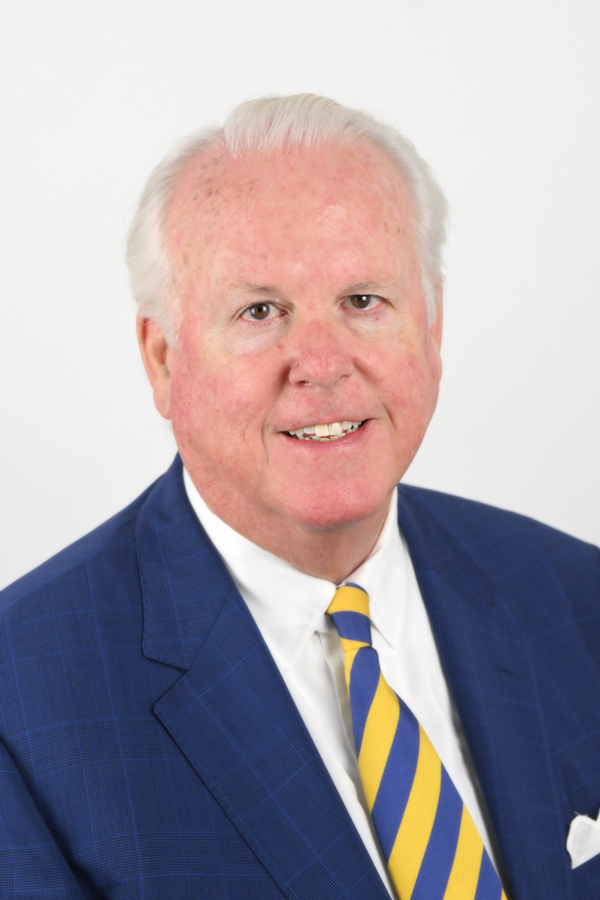
“We founded the firm 25 years ago with a vision of being the best bank and the best place to work for experienced professionals,” Pinnacle CEO Terry Turner says. “When associates feel valued, trusted and supported and all pulling together in the same direction, the result is that our clients get the best we have to offer.”
At many regional and national banks, loan decisions don’t come as quickly, and different services are handled by different bankers, sometimes even at separate offices, Holley says. The core principles and geographic model that built Pinnacle will be adopted by the entire company after the merger, with rebranding and the transition completed over the next year.
Allaying investor concerns
But when the $8.6 billion merger between Pinnacle and Synovus was announced in July, investors were wary and shares in both bank stocks initially fell. With more than $115 billion in assets, the combined bank would cross the threshold to be classified as a “large financial institution,” subject to much stricter regulations.
“The broader balance sheet impact may not be fully captured in the company’s current projections and that it could represent an incremental headwind to profitability,” Jefferies bank analysts wrote in an analysis of the merger.
The merger is the biggest in the Southeast since SunTrust and BB&T combined to create Truist Bank in 2019. The merger of $61 billion-asset Synovus and $54.8 billion-asset Pinnacle is not “Truist 2.0,” Turner said at an investor conference in September. “This is a starkly different transaction.”
Synovus CEO Kevin Blair, who will head the combined bank, insists this merger will be different from the last Southeastern merger of equals.
“There’s no shortage of lessons learned to draw from in a merger like ours, and we’ve made decisions and taken actions to avoid pitfalls,” Blair says. “By focusing on the client and team member experiences and keeping local leadership and continuity across our markets, we’re building on Pinnacle’s legacy as one of America’s top-performing banks with engaged and purposeful teams, a loyal and growing client base and out-sized shareholder returns.”
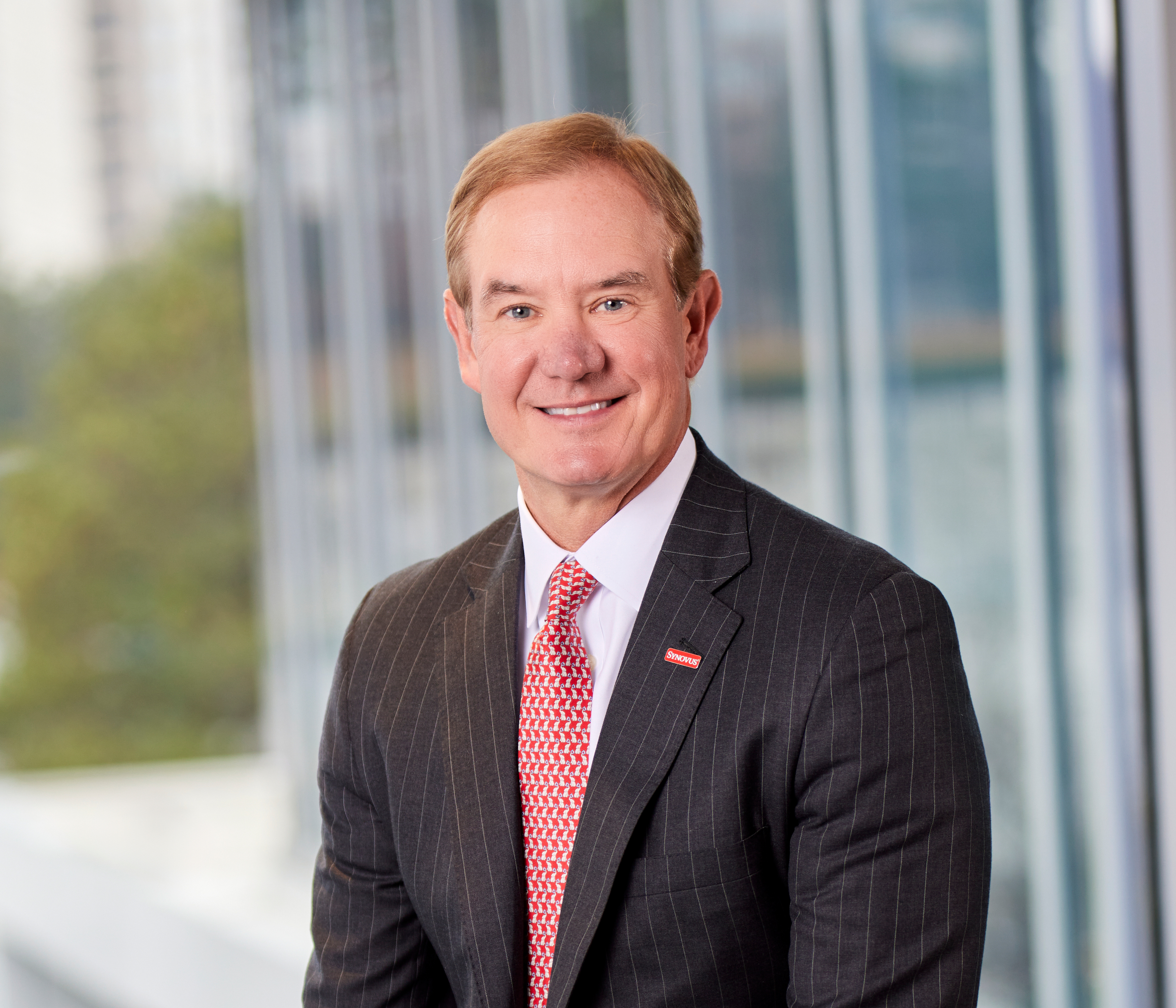
The merger of Pinnacle and Synovus was completed at the start of 2026. Synovus branches should be rebranded by early 2027.
“I’m incredibly proud of the teams on both sides of this deal who are working in lockstep to bring us together,” says Turner, who will be chairman of the board for post-close Pinnacle. “This is such a complex process, but both teams are pulling in the same direction toward the end goal, which is to create a bank that’s bigger, stronger and better able to serve the needs of our clients and communities than ever before.”
Chattanooga bank mergers
The biggest bank mergers involving Chattanooga banks include:
* The $68 billion merger of SunTrust and BB&T in 2019 to form Truist Bank
* The proposed $13.4 billion purchase of First Horizon Bank by TD Bank was abandoned in 2023 over uncertainty about regulatory approval
* Regions Financial Corp. acquired AmSouth Bank in 2008 for nearly $10 billion
* The $8.6 billion merger between the Nashville-based Pinnacle Bank and the Columbus, Georgia-based Synovus Bank is scheduled to be completed in January
* First Financial Bank acquired the Dayton, Tennessee-based Simply Bank for $718.4 million in 2024
READ MORE