
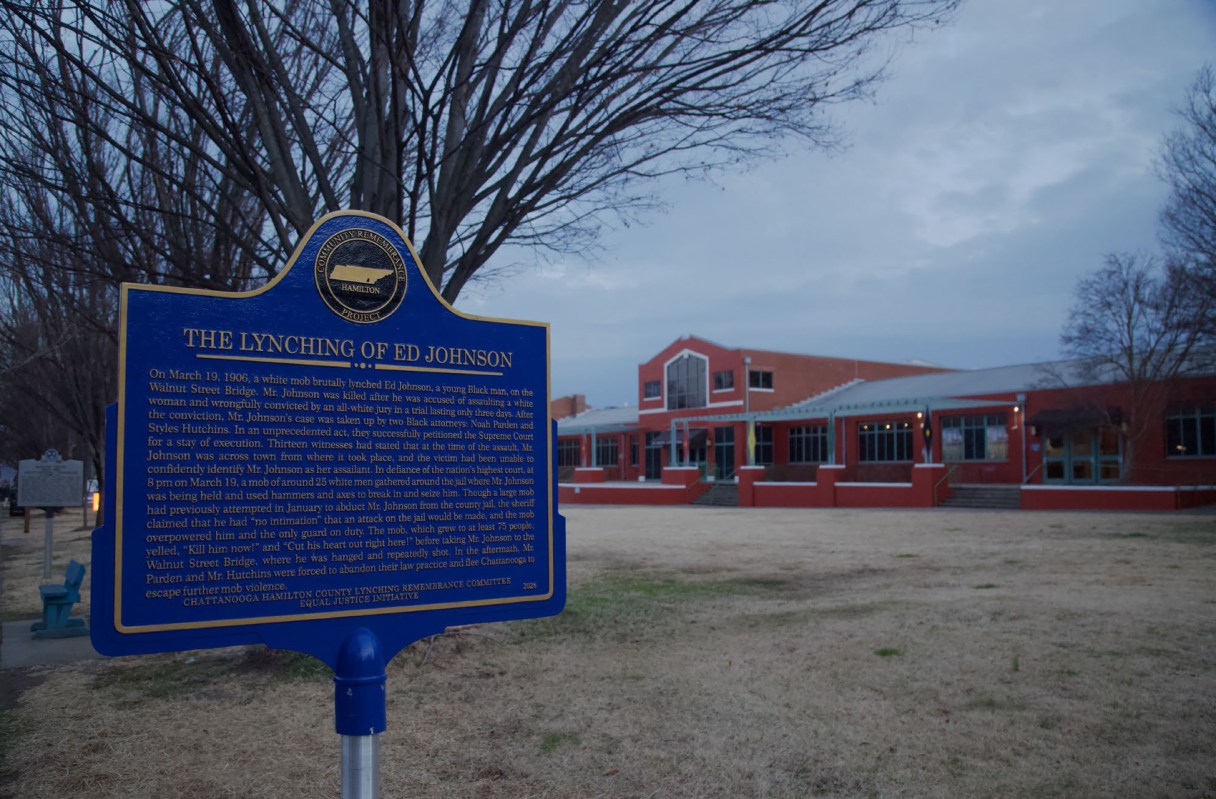
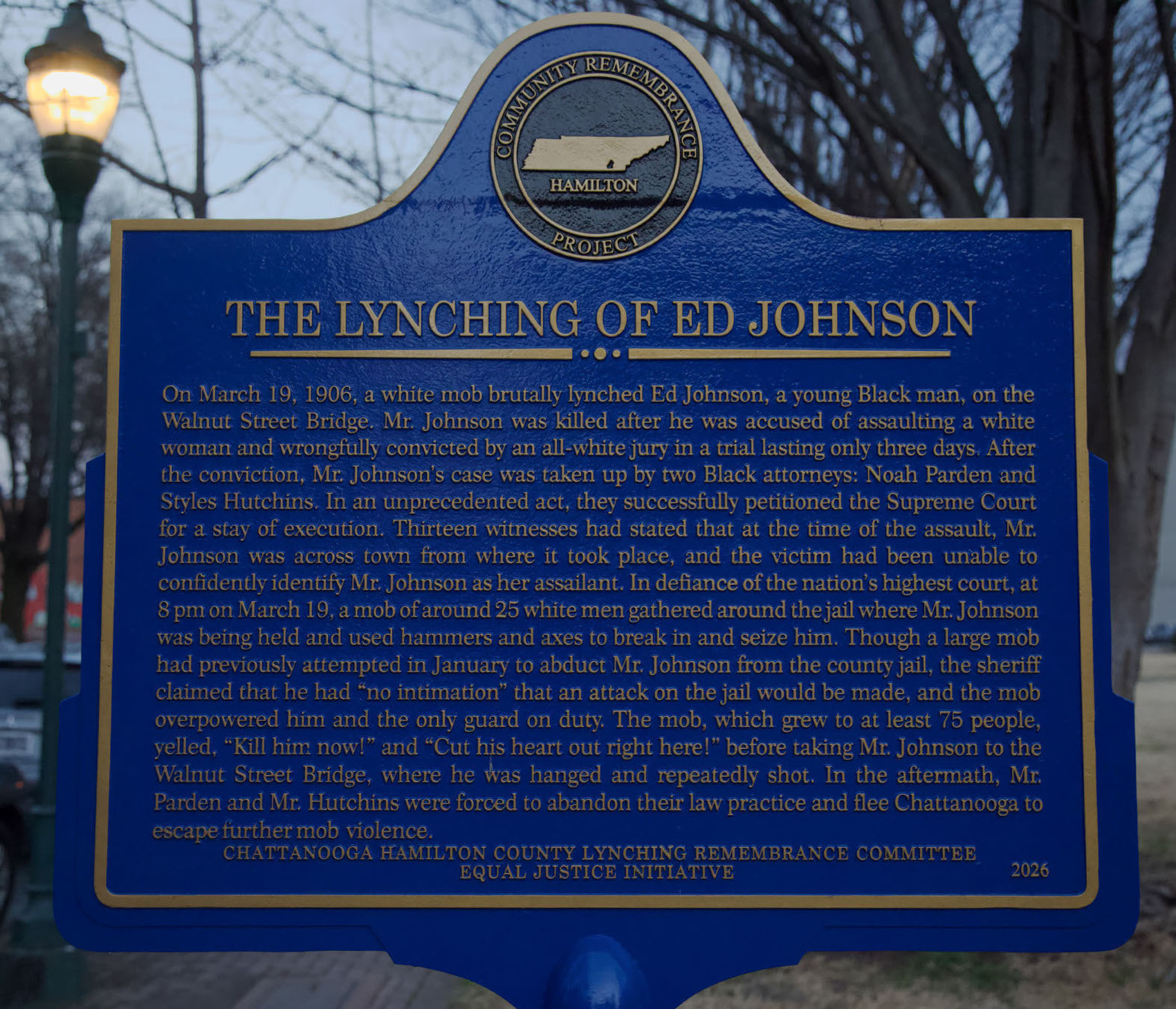
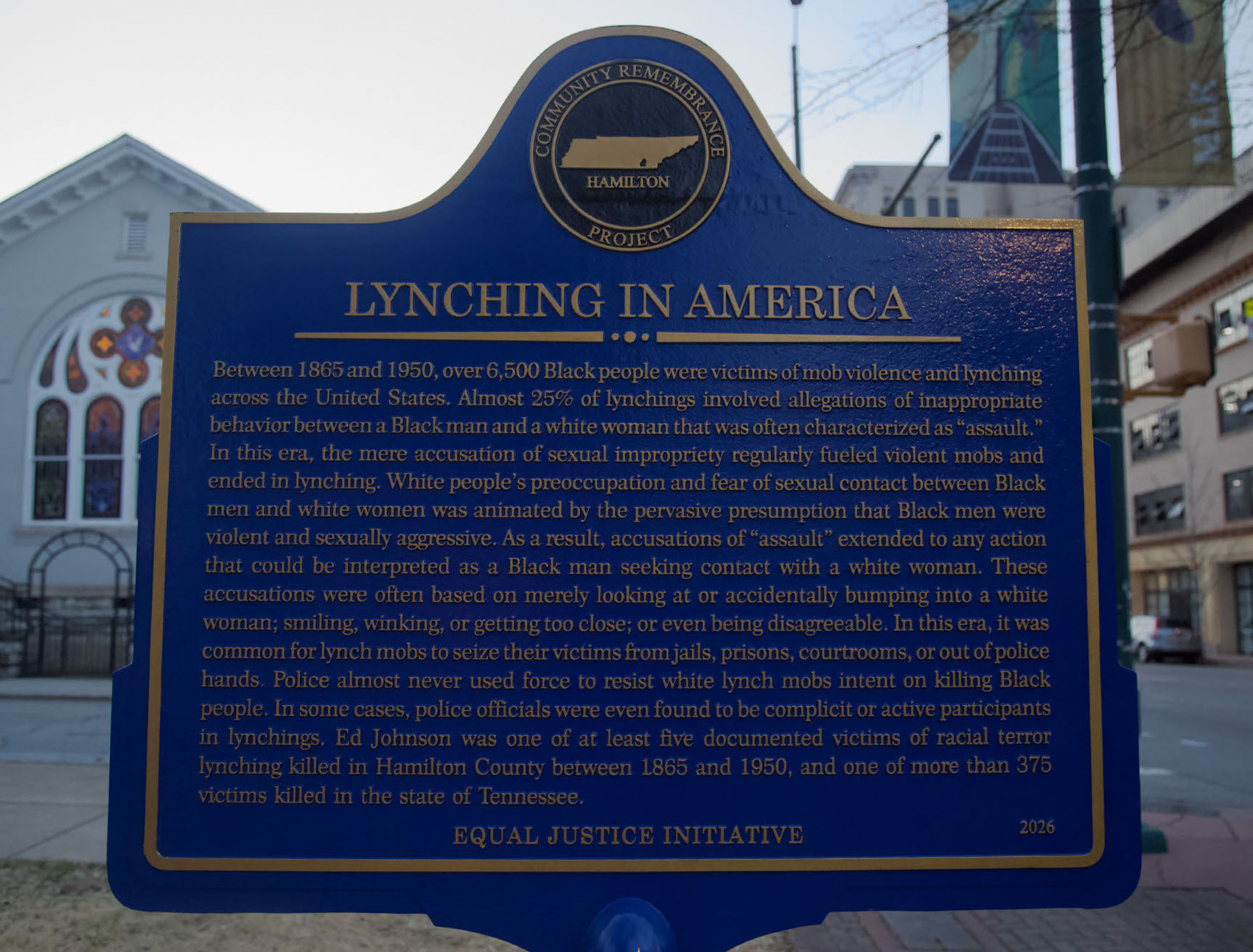
Nearly 120 years after a mob lynched Ed Johnson from the Walnut Street Bridge, he and other victims of lynching were memorialized with a historic marker in front of the Bessie Smith Cultural Center.
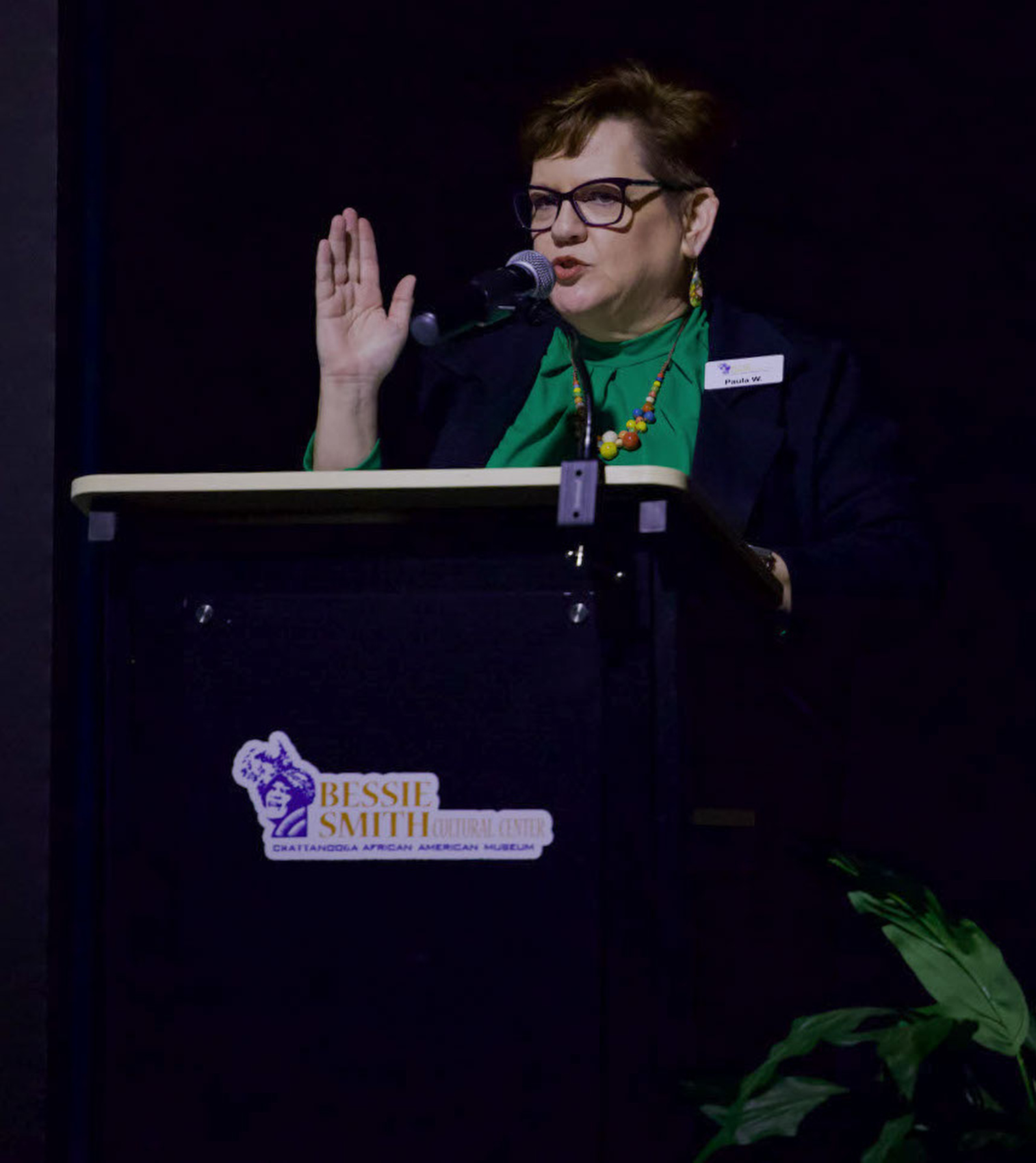
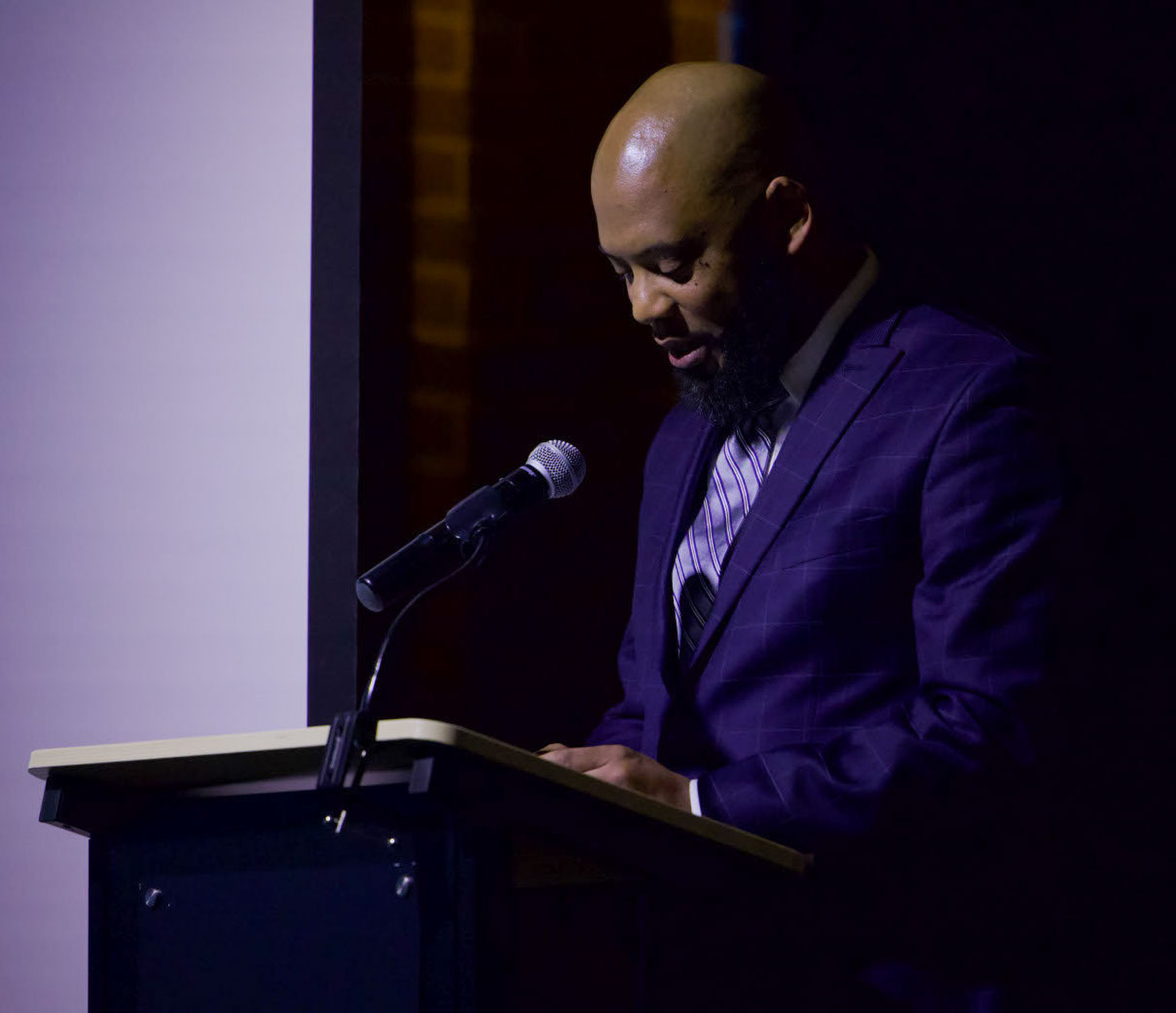
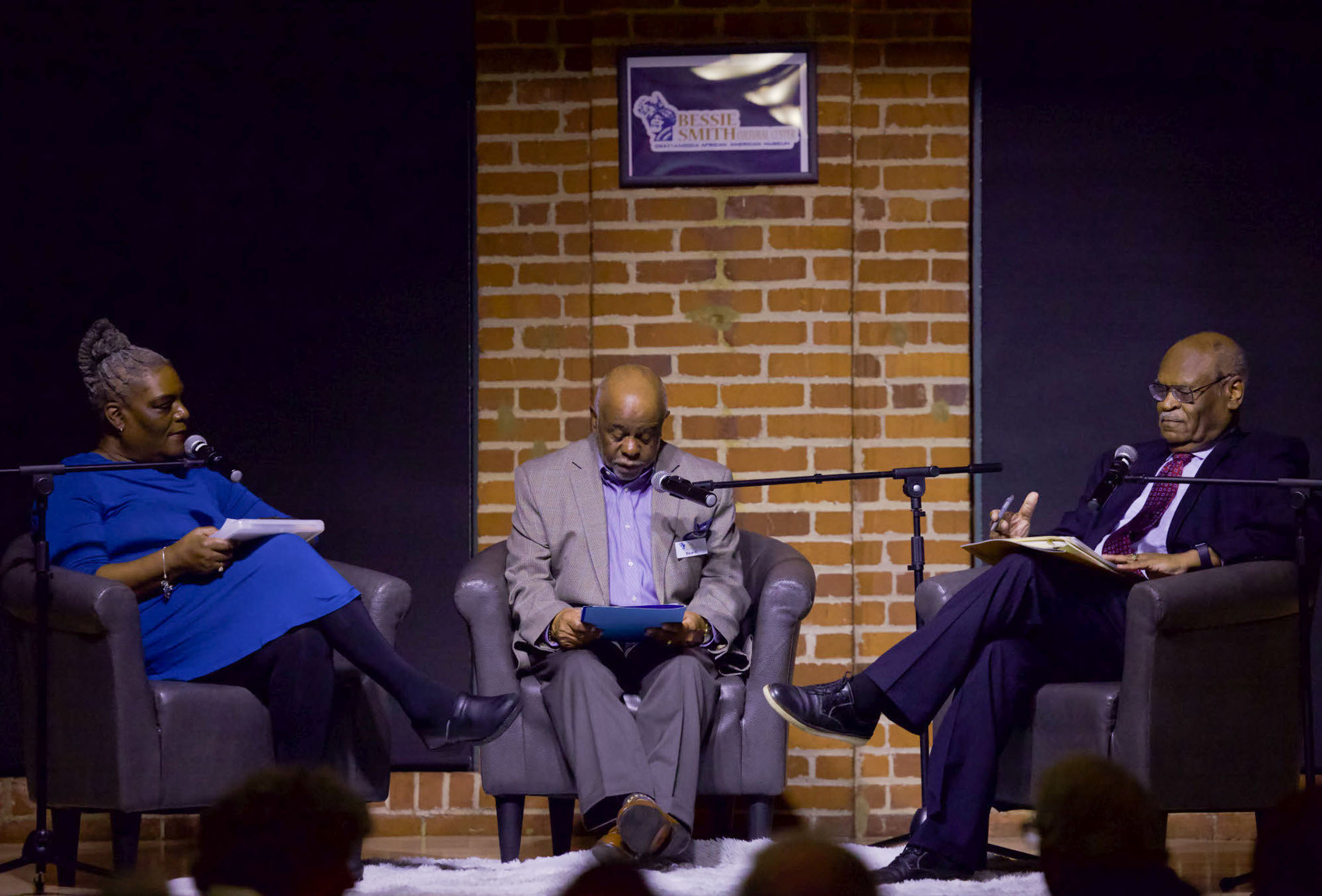
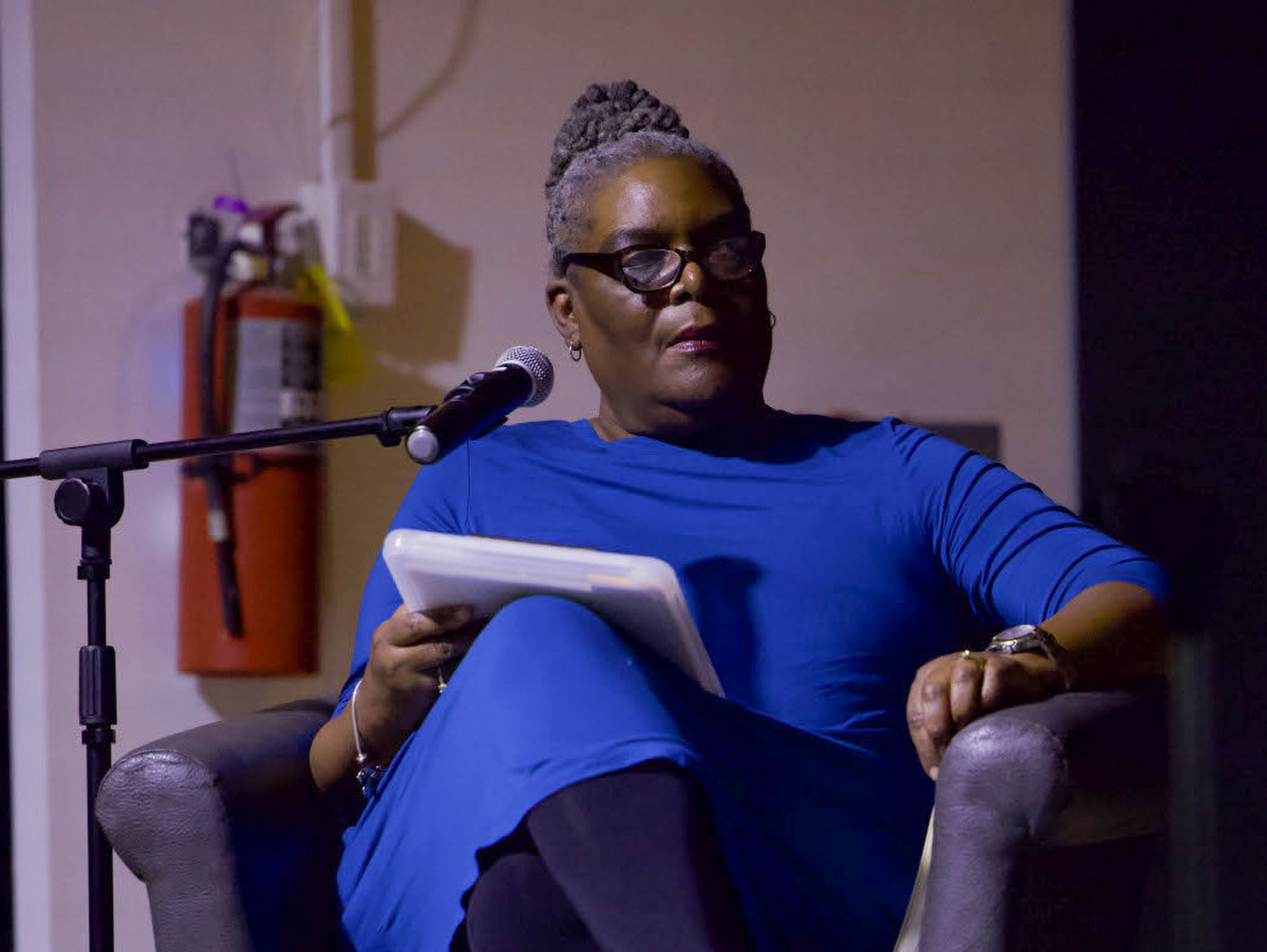
“This marker that we’re unveiling tonight stands as a commitment to truth, an acknowledgement of injustice and a refusal to forget,” said Paula Wilkes, the center’s president, at the dedication of the marker Thursday.
“By naming what happened here, we honor Ed Johnson’s humanity and affirm that remembrance is a necessary step toward justice and healing,” Wilkes said. “May this marker remind us not only of the past we must confront, but of the responsibility we carry forward.”
Historical marker honoring Ed Johnson unveiled in downtown Chattanooga



(READ MORE: Ed Johnson memorial unveiled beside Walnut Street Bridge 115 years after lynching)
In 1906, Johnson, a Black man in his 20s, was lynched on the Walnut Street Bridge as a crowd of around 100 watched.
Despite multiple witnesses testifying he was innocent, Johnson was convicted and sentenced to death after being falsely accused of rape. The case made its way to the U.S. Supreme Court, which issued a stay of execution. A day later, a mob stormed the county jail and took Johnson to the bridge, where he was hanged and fatally shot.
Johnson’s conviction was posthumously overturned in 2000, and in 2021, a memorial to Johnson was installed on the Walnut Street Bridge property.
As that memorial was being created, one of the questions that persisted was how to honor the other victims of lynching, said Eric Atkins, cochair of the Unity Group of Chattanooga.
“It was always important to various sectors of the community to recognize and pay respectful tribute to the other victims of lynching that we know about,” he said in an interview. “There are many we don’t know about.”
One side of the marker unveiled Thursday chronicles Johnson’s story. The other tells the context and broader history of lynching in America. It notes there were at least five documented victims of lynchings in Hamilton County and more than 375 in Tennessee between 1865 and 1950.
The marker, which local advocates worked on for more than five years, is part of the Equal Justice Initiative’s community remembrance project, which aims to memorialize victims of racial violence. It was placed on the lawn in front of the Bessie Smith Cultural Center so that students and other visitors who may not make it to the bridge memorial could learn about Johnson’s story and the injustice that happened, Wilkes said.
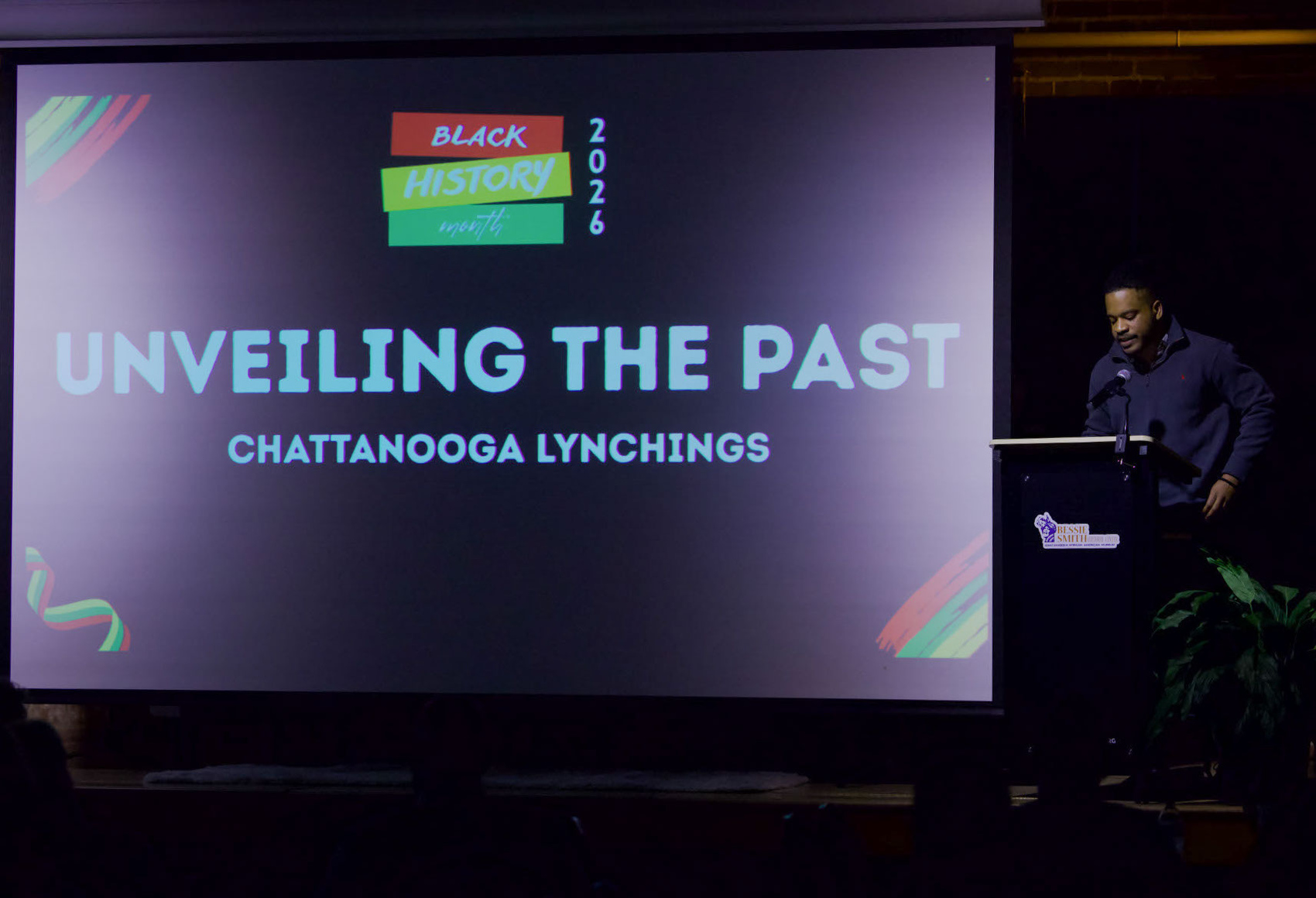
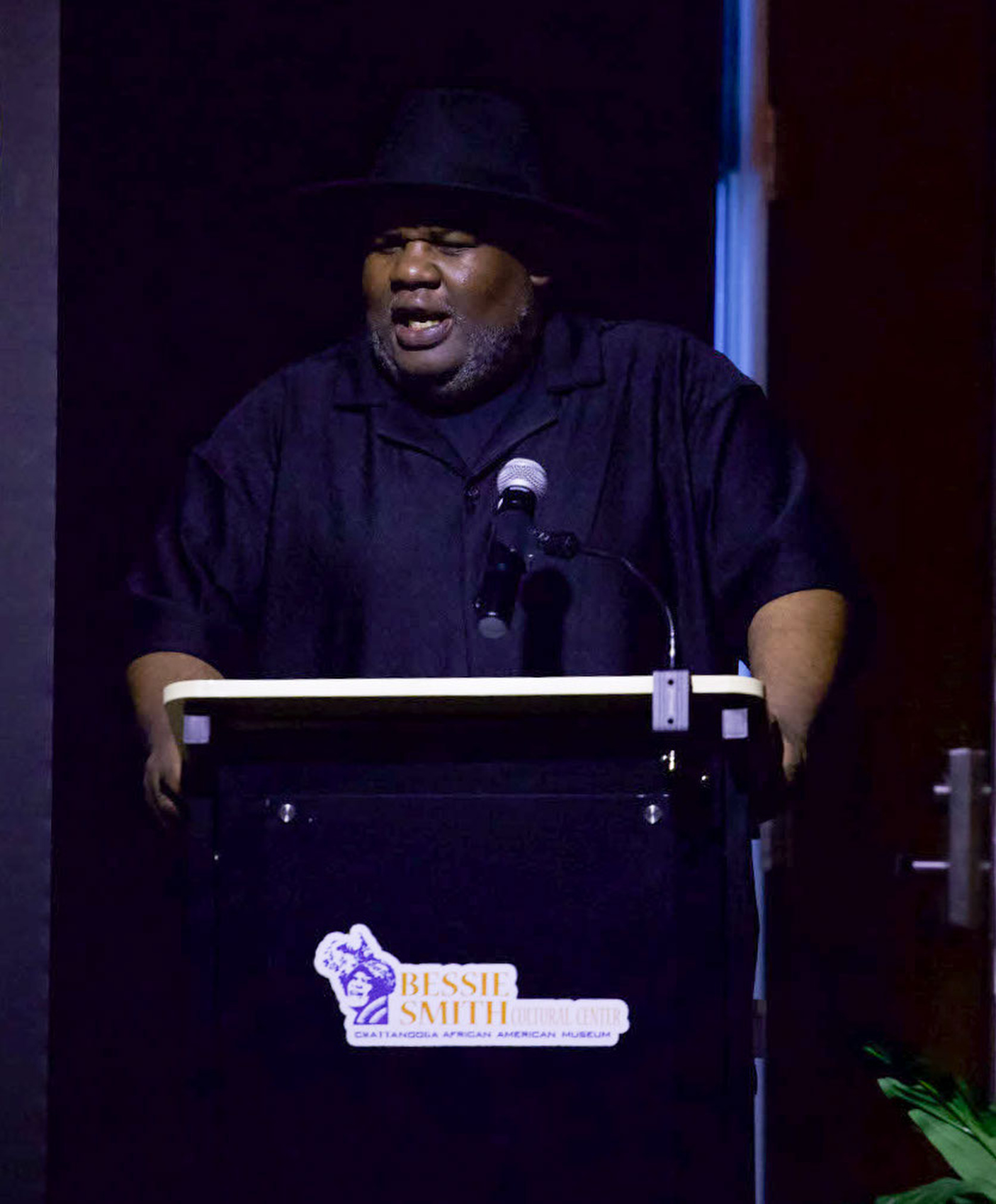
While this act of violence happened in 1906, the country is still infected with racial violence, said Elijah Cameron, the center’s vice president of operations. The marker and the conversations had Thursday night are not endpoints, he said near the end of the event. They’re invitations.
“An invitation to keep learning, to ask harder questions, to confront injustice in all its forms and commit us to a more honest and equitable future,” he said. “Healing does not come from forgetting or trying to erase the past. It comes from truth, from acknowledgement and from sustained action rooted in entity and courage.”
Contact education reporter Shannon Coan at scoan@timesfreepress.com or 423-757-6396.