
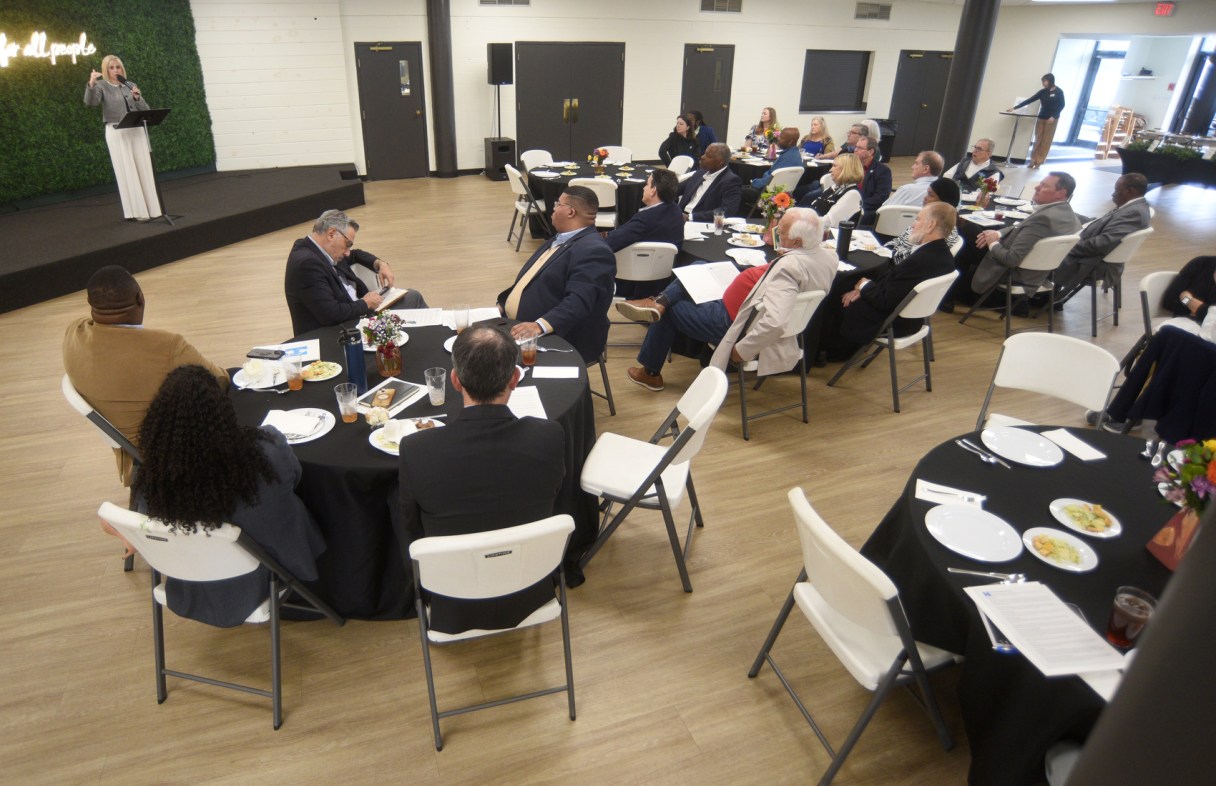
Reviewing public education funding and testing requirements are among the priorities Hamilton County school board members presented to other local elected officials Thursday.
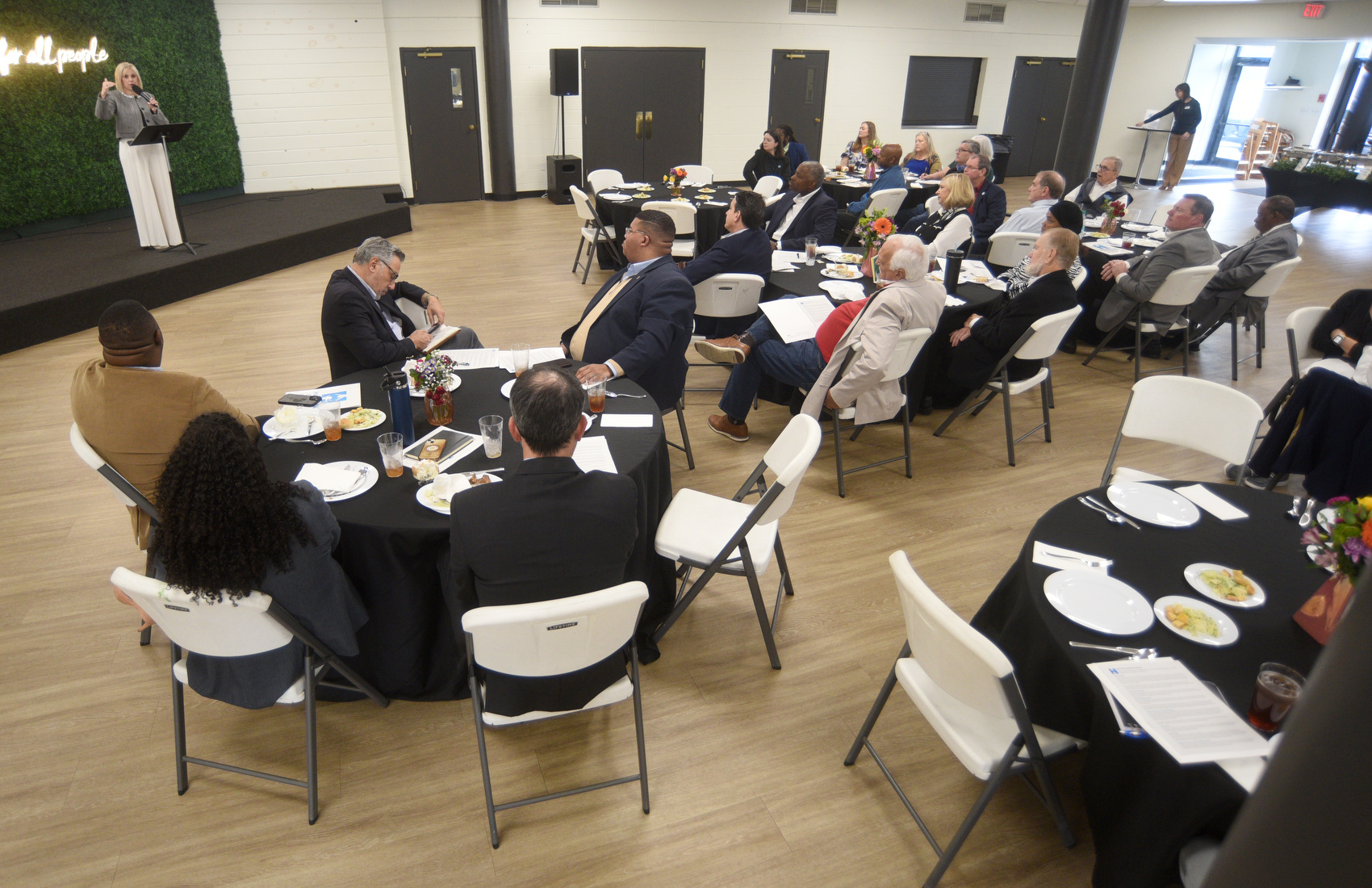
The school board hosted Hamilton County commissioners, Chattanooga City Council members and Tennessee state representatives for a luncheon at The Crossing Church on Standifer Gap Road to discuss areas the board believes the state legislature should take action on this year.
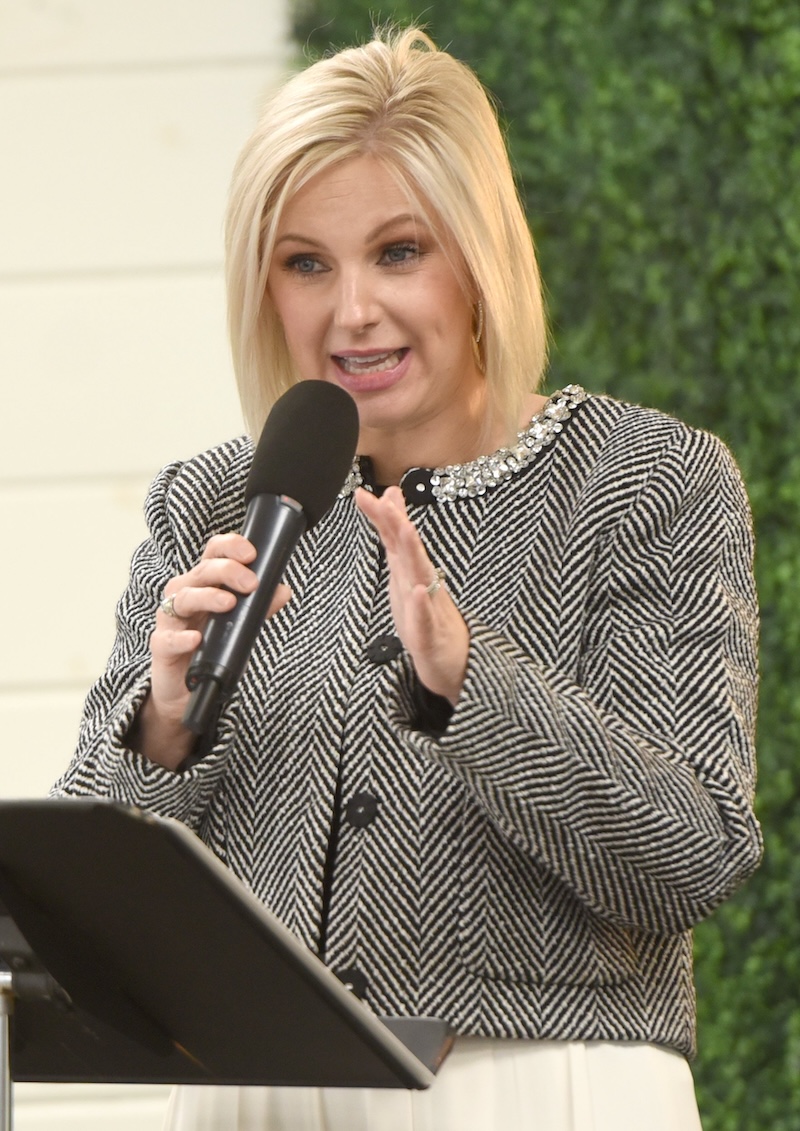
The meeting opened with a prayer from the church’s senior pastor and a rendition of “The Prayer” by Andrea Bocelli and Celine Dion sung by school board member Jodi Schaffer, R-East Brainerd. Attendees then had a chance to mingle and grab lunch before school board members presented the items on the board’s legislative agenda for this year.
The legislative agenda, which the board approved in December, serves as the messaging members use when speaking with lawmakers. It includes priorities related to public education funding, state testing and school safety, among other items.
Reviewing funding, testing requirements among Hamilton County school board’s priorities for 2026
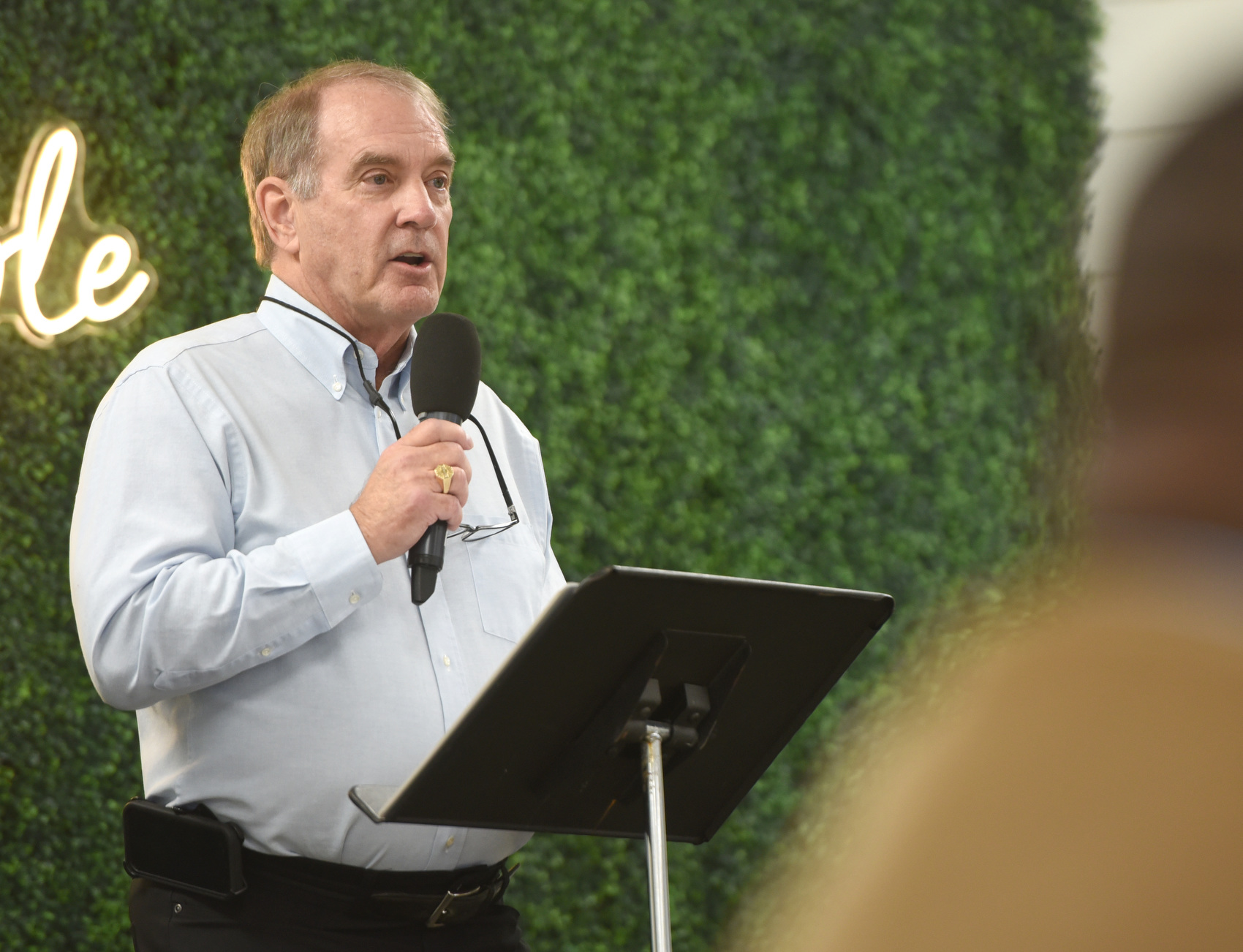
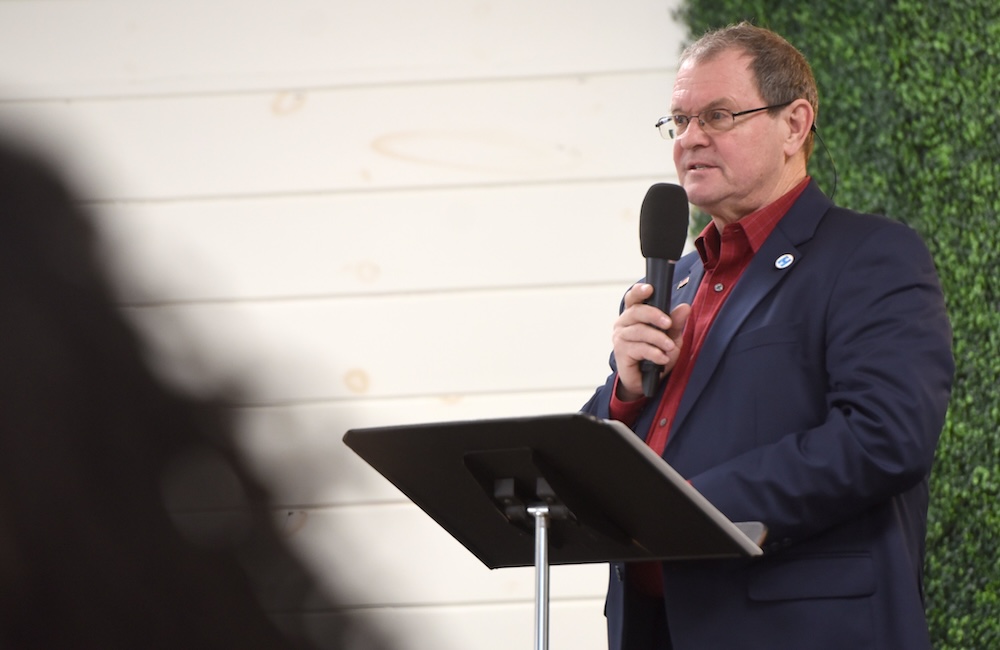
The way Tennessee calculates who is economically disadvantaged is hurting schools across the state, Superintendent Justin Robertson said.
Economically disadvantaged students — which is one of the characteristics that gives schools additional money under Tennessee’s public school funding formula — are defined by the state as those who are directly certified because their families receive certain forms of government assistance, as well as homeless, foster, unaccompanied and migrant students.
Two years ago, the district had 15,000 students identified as economically disadvantaged, Robertson said. The most recent count is just above 10,000.
“We know as a community that we’re not losing kids that are in poverty,” he said. “It’s the way that we’re identifying them. And I want to again, press at the state level that we expand how we are identifying students that are living in poverty to make sure that we’re getting the resources that we need to serve those families.”
The board’s legislative agenda also urges lawmakers to conduct a thoughtful review of how much testing is happening across the state, including requirements at the local, state and national levels.
(READ MORE: Hamilton County school board adopts policy to tackle housing growth)
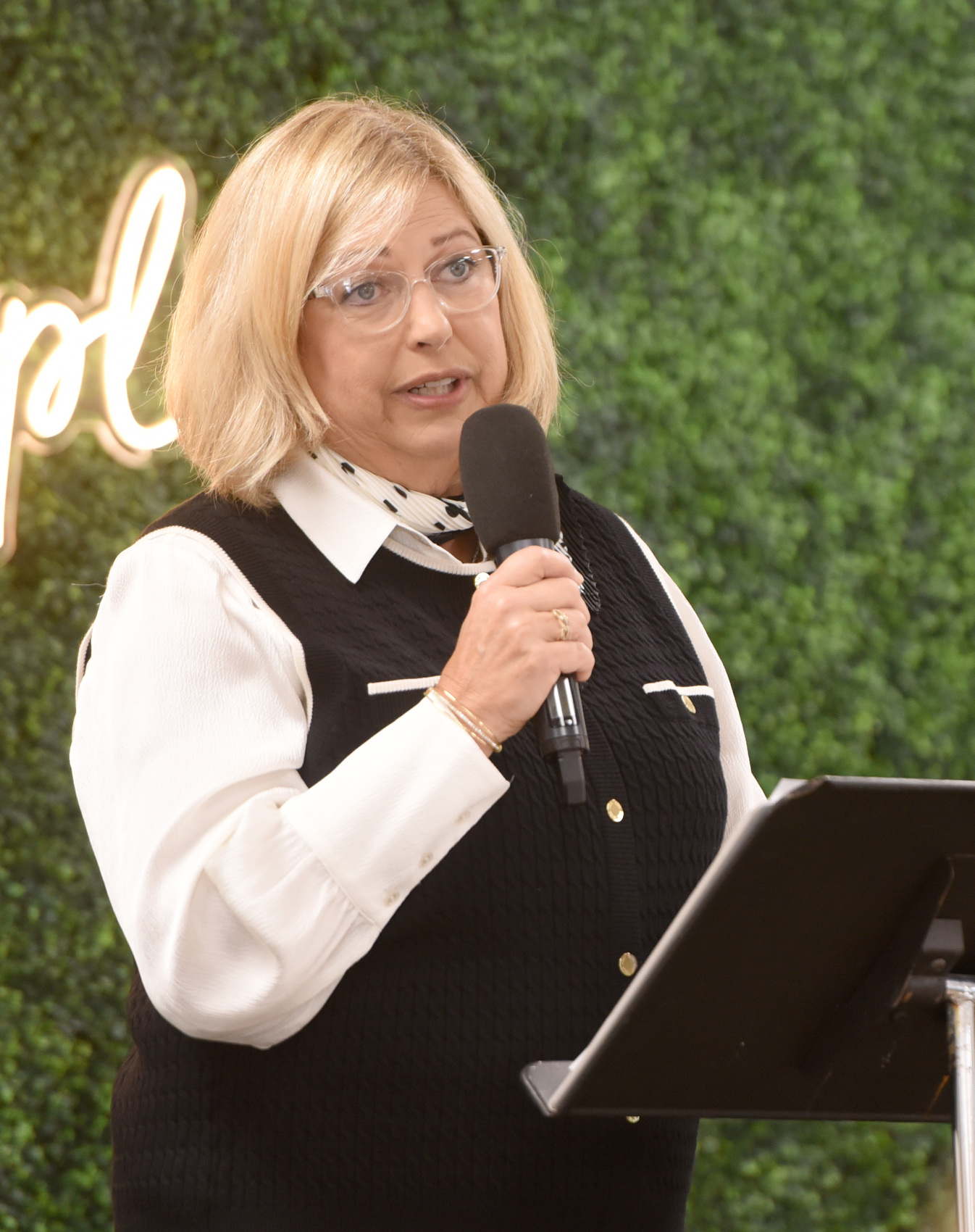
If school districts could have some flexibility around using locally created versus state tests, Schaffer said, then they could potentially reduce the hours that students are having to test while also maintaining the standard.
“It’s a lot of testing because we’re kind of double dipping,” she said.” It’s been very highly argued on our current school board, so we’re trying to take it up to the state level and say, ‘Can we have a broader conversation than just our local level?’ Our board has been at odds with our administration, and we don’t want to be at odds with our administration, but we do want to reduce the hours of testing.”
In the spring, board members repeatedly raised concerns about the amount of testing, and in May, as part of approving the district budget, the board voted to reduce benchmark testing from three times a year to once.
As school board members presented items on the legislative agenda, some also spoke off the cuff about related issues they, as an individual, cared about.
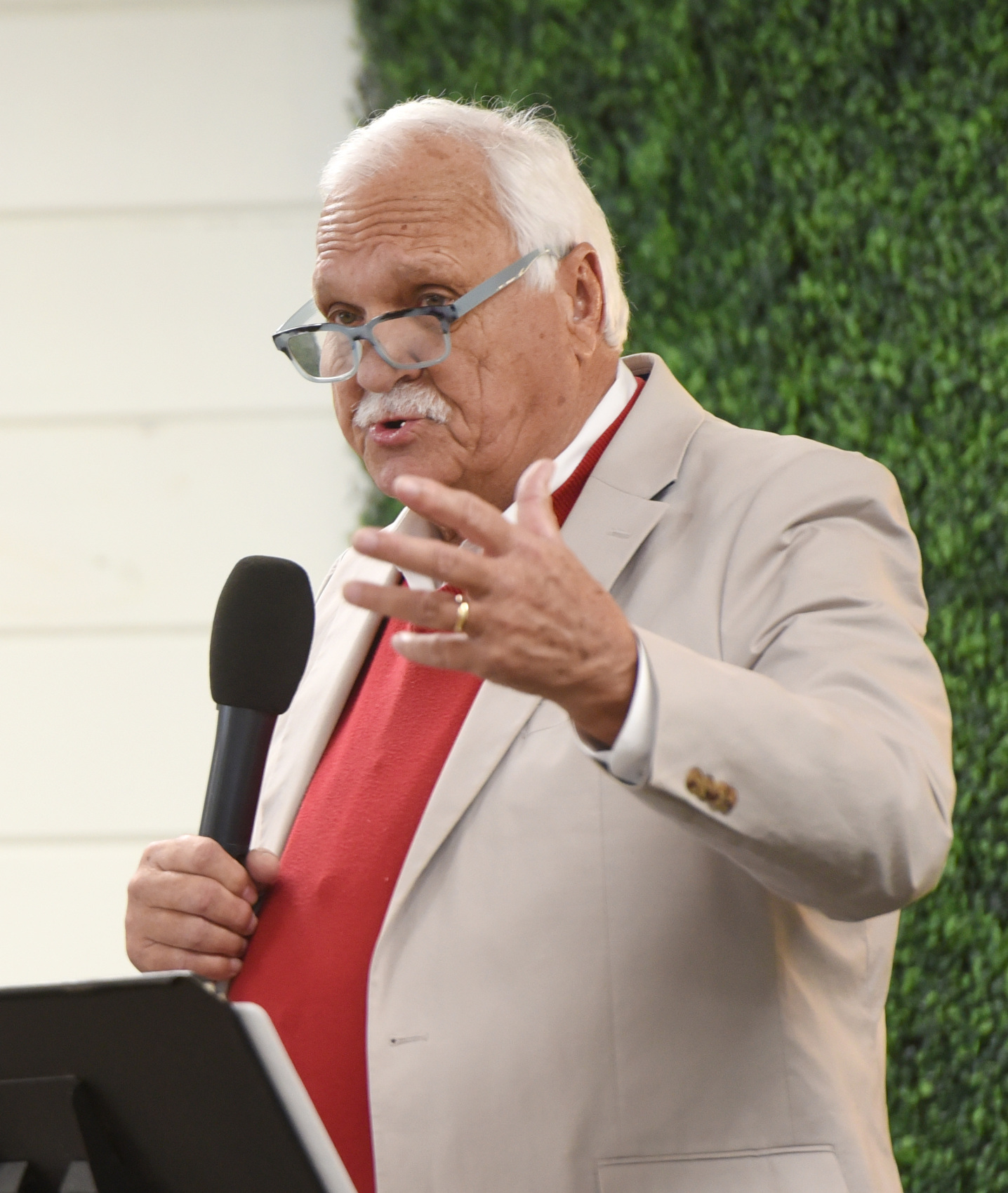
“Athletics and extracurricular activities is my baby,” school board member Steve Slater, R-Soddy-Daisy, said. “We lost a basketball coach and a football coach, the head coaches, in this past year, mainly because of pay.”
Slater pointed to the percentage of Hope scholarship recipients — a grant program for Tennessee college students funded by the state lottery — who drop out or become ineligible for the program and questioned whether it was wasting lottery money that could be going to public education.
Chair Joe Smith, R-Hixson, said he believes strongly in parent choice, but the one thing he worries about with the state’s programs that provide families funding for private school tuition is that public schools are losing athletes. He attributed that loss directly to the state’s tuition grant programs.
The board’s agenda does not take a stance on the existence of the Education Freedom Scholarship program, which gives 20,000 Tennessee students state funding for private school tuition, as it had in past years. It does ask the legislature to ensure that if it increases the amount of funding for private school tuition grants, it also increases public education funding at the same rate.
Contact education reporter Shannon Coan at scoan@timesfreepress.com or 423-757-6396.